
Baby Diaper Production Line: Essential Guide to Factory Manufacturing
2026-03-29
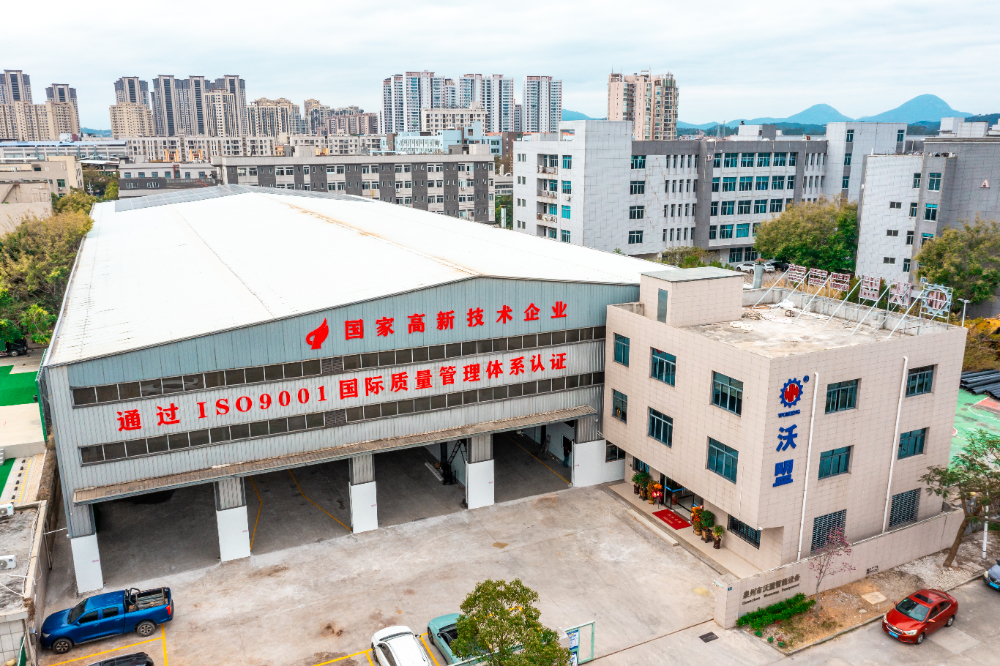
Welcome to the world of diaper manufacturing, where precision meets care. In this guide, we’ll dive into the Baby Diaper Production Line, uncovering the essential steps and innovations that transform raw materials into the products families trust every day. Whether you’re a factory manager looking to optimize your operations or simply curious about how these everyday essentials are made, you’re in the right place. At the heart of this journey is Womeng, a name synonymous with cutting-edge machinery and reliable solutions in the industry. Get ready to explore the behind-the-scenes magic that powers modern diaper factories—let’s get started!
Step-by-Step Process of Baby Diaper Manufacturing
Let's dive into how baby diapers are actually made, starting from raw materials to the final product you find on store shelves. It all begins with the core absorbent layer, typically made of super-absorbent polymers (SAP) mixed with wood pulp, which is fluffed and shaped into a pad. This pad is then sandwiched between a soft, breathable top sheet and a waterproof back sheet, often using non-woven fabrics and polyethylene films. The layers are bonded together through heat sealing or adhesive, ensuring they stay intact during use. Throughout this stage, quality control checks are essential to test absorbency and leak prevention, with machines adjusting parameters in real-time to maintain consistency.
Next, the assembled diaper undergoes cutting and shaping, where it's trimmed into the familiar hourglass form to fit a baby's contours comfortably. Elastic bands are added around the legs and waist for a snug yet flexible fit, preventing gaps that could lead to leaks. Adhesive tabs or hook-and-loop fasteners are then attached, allowing for easy adjustment and secure closure. This phase also includes adding wetness indicators or decorative prints, which are applied using safe, non-toxic inks. The process is highly automated, with robotic arms and conveyors handling each step precisely, minimizing human contact to ensure hygiene.
Finally, the finished diapers are folded, packaged, and prepared for distribution. They're individually folded to save space and wrapped in protective materials, like plastic film or boxes, to keep them clean and dry. Before shipping, samples from each batch undergo rigorous testing for durability, fit, and safety, adhering to strict industry standards. Manufacturers often innovate here by using eco-friendly materials or reducing packaging waste, responding to growing consumer demand for sustainable options. This end-to-end journey, from factory to family, highlights the careful engineering and attention to detail that goes into every diaper, making them a reliable ally in parenting.
Essential Machinery and Equipment for Diaper Production
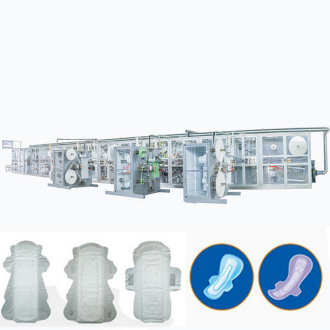
The foundation of efficient diaper manufacturing lies in a well-coordinated assembly of specialized machinery that transforms raw materials into high-quality products. Central to this process are the core-forming units, which precisely layer absorbent cores using air-laid technology for optimal fluff distribution and SAP integration. These units often incorporate advanced sensors and automated controls to maintain consistency in weight, density, and performance across different sizes and types of diapers, ensuring each product meets stringent safety and comfort standards without human error.
Beyond core formation, the production line typically includes equipment for applying non-woven fabrics, elastic components, and fastening systems. Modern machines feature servo-driven mechanisms that allow for rapid adjustments in speed and tension, adapting seamlessly to various diaper designs from newborn to adult incontinence products. For instance, ultrasonic bonding technology is frequently employed to create secure, breathable seams without adhesives, reducing waste and enhancing durability—a detail that sets top-tier manufacturers apart by focusing on sustainability and long-term user satisfaction.
Downstream, finishing machines handle cutting, shaping, and packaging with high precision, often utilizing vision systems to detect defects and ensure uniform appearance. Innovations like robotic palletizers and automated quality checks streamline the workflow, minimizing downtime and boosting overall throughput. By integrating these advanced yet reliable pieces of equipment, producers can scale operations efficiently while maintaining the delicate balance between cost-effectiveness and product excellence, essential for staying competitive in today's fast-paced market.
Quality Control Measures in Diaper Factory Operations
In a diaper factory, stringent quality control measures are the backbone of operations, ensuring that every product meets high standards for safety and comfort. From the moment raw materials like absorbent polymers and nonwoven fabrics arrive, they undergo rigorous inspections to detect any defects or contaminants. This early-stage scrutiny helps prevent issues downstream, such as leaks or skin irritations, which could compromise a baby's well-being. Factories often employ advanced sensors and manual checks in tandem, creating a multi-layered approach that catches even minor inconsistencies before assembly lines progress.
During the manufacturing process, automated systems monitor key parameters like adhesive application and elastic tension to maintain uniformity and durability. Workers are trained to spot visual flaws, such as misaligned tabs or uneven stitching, while random sampling tests are conducted at various stages—from cutting and bonding to packaging. These proactive measures not only reduce waste but also build consumer trust by delivering diapers that perform reliably under real-world conditions, whether it's overnight dryness or active play.
Beyond the production floor, feedback loops from quality audits and customer reviews drive continuous improvement in diaper factories. Data analytics help identify patterns in defects, leading to refined processes and enhanced materials over time. By fostering a culture of vigilance and innovation, these operations strive to exceed industry benchmarks, ensuring that each diaper not only meets regulatory requirements but also provides peace of mind for parents. This holistic approach to quality control ultimately supports brand reputation and long-term success in a competitive market.
Material Selection for Sustainable and Effective Diapers
Choosing the right materials for diapers is not just about ensuring they work well; it’s a delicate balance between functionality and environmental impact. Many manufacturers have started exploring alternatives to traditional plastic-based components, such as plant-derived fibers like bamboo or organic cotton, which offer natural breathability and softer textures. These materials can reduce the reliance on non-renewable resources and often decompose more easily, making them a step towards a greener product lifecycle without compromising on comfort or absorption rates.
Beyond sustainability, the effectiveness of a diaper hinges on how well its layers interact to manage moisture and prevent leaks. Innovations in absorbent cores, such as those using superabsorbent polymers (SAPs) from sustainably sourced bio-based ingredients, are transforming the game. These advanced materials can lock away liquids more efficiently, allowing for thinner designs that still last through the night. By pairing these with biodegradable backsheets or compostable packaging, brands can create diapers that perform reliably while cutting down on landfill waste, appealing to eco-conscious parents who don’t want to choose between convenience and the planet.
In practice, the selection process involves rigorous testing for safety, durability, and environmental footprint. For instance, some companies now use certified materials like FSC-approved wood pulp or recycled content in the fluff layers, ensuring that every component aligns with strict sustainability standards. This holistic approach not only enhances the diaper’s overall performance by reducing irritation risks and improving fit but also fosters trust through transparent sourcing. As consumer awareness grows, the push for innovation in material science continues to drive the development of diapers that are both kinder to skin and the environment, setting new benchmarks in the industry.
Efficiency Tips to Enhance Production Line Output
Improving production line output starts with streamlining workflow processes. By analyzing each step for potential delays or redundancies, you can identify bottlenecks and implement targeted solutions, such as rearranging equipment to reduce movement or optimizing task sequences. This focused approach helps prevent wasted time and resources, boosting overall efficiency without requiring major overhauls.
Another effective strategy is to invest in smart technology and automation tools that enhance precision and speed. For instance, integrating sensors for real-time monitoring allows for quick adjustments to machine settings, minimizing errors and downtime. Training staff to use these tools effectively ensures that technological upgrades translate into tangible productivity gains, keeping production lines agile and responsive.
Regular maintenance and employee engagement also play crucial roles in sustaining high output levels. By prioritizing proactive checks and encouraging team feedback on workflow improvements, organizations can foster a culture of continuous improvement. This not only prevents unexpected breakdowns but also motivates workers to contribute ideas, leading to more innovative and efficient operations over time.
Customization Options for Diverse Diaper Products
Customization in diaper products allows parents to tailor choices to their baby's unique needs, such as selecting different absorbency levels for various times of day, from light-protection options for quick changes to heavy-duty designs ideal for overnight use. This flexibility helps prevent leaks and ensures comfort, making it easier to adapt to a growing child's stages without switching brands or styles entirely.
Beyond absorbency, customization extends to materials and fits, with options like hypoallergenic fabrics for sensitive skin and adjustable waistbands that grow with the baby. These features enable a more personalized fit, reducing irritation and enhancing mobility, which can be particularly beneficial for active toddlers or those with specific skin conditions.
Additionally, some brands offer aesthetic and functional customizations, such as eco-friendly materials for environmentally conscious families or designs that promote gender-neutral or themed patterns. This variety not only meets practical needs but also reflects personal values, adding an extra layer of choice that goes beyond basic utility to enrich the parenting experience.
FAQ
The essential parts include raw material unwinders, pulp converters, SAP application units, core forming sections, and packaging systems, each tailored for efficiency and hygiene.
Real-time sensors monitor parameters like weight and absorbency, with automated inspection systems and random sampling by technicians to maintain consistent standards.
Common materials include non-woven fabrics for the top sheet, superabsorbent polymers (SAP) for the core, and breathable backsheets, all chosen for safety and comfort.
By implementing precise cutting technologies, recycling scrap materials, and using energy-efficient machinery, factories minimize environmental impact while cutting costs.
Challenges like material handling errors or machine downtime are tackled through regular maintenance, staff training, and integrating smart automation for better reliability.
Setup typically spans several weeks to months, depending on line complexity, with commissioning involving thorough testing to ensure smooth operation from raw materials to final packaging.
Conclusion
The manufacturing of baby diapers encompasses a comprehensive step-by-step process that begins with material preparation and extends through forming, cutting, and packaging. Key stages include the unwinding of absorbent cores, attachment of elastic components, and precise sealing to ensure leak-proof performance. This procedural efficiency is underpinned by essential machinery such as converting lines, ultrasonic welders, and high-speed packaging systems, which collectively enable the seamless transformation of raw materials into finished products. Moreover, rigorous quality control measures—from raw material inspection to final product testing—are critical to maintaining consistency, safety, and customer satisfaction.
A focus on material selection drives innovations toward sustainable and effective diapers, incorporating biodegradable fibers and eco-friendly adhesives to reduce environmental impact while enhancing absorbency. To boost production line output, efficiency tips like predictive maintenance, operator training, and lean manufacturing principles optimize throughput and minimize downtime. Additionally, customization options for diverse diaper products, such as varying sizes, designs, and specialized features like wetness indicators, allow manufacturers to cater to specific market demands and consumer preferences, ensuring adaptability in a competitive industry.
Contact Us
Contact Person: Jessie Lai
Email: [email protected]
Tel/WhatsApp: 86-188594442931
Website: https://www.wm-machinery.com