

Best 3-Side Seal Pouches for Packaging: Top Picks and Expert Recommendations
2026-06-13
Packaging can make or break a product’s first impression—especially in crowded retail spaces. Among the many styles out there, 3-side seal pouches have quietly become a favorite for everything from snacks to supplements. Their clean lines and reliable seal offer a blend of practicality and shelf appeal that’s hard to beat. But with so many options on the market, how do you know which ones are worth your time? That’s where this guide comes in. We’ve sorted through the noise to bring you top picks that balance durability, design, and cost-effectiveness. And while we’re at it, you’ll see why brands like Kody are gaining traction for their attention to detail in pouch manufacturing. Ready to find the perfect fit for your product? Let’s dive in.
What Makes 3-Side Seal Pouches a Packaging Powerhouse
Flat, no-nonsense and surprisingly adaptable, 3-side seal pouches have become a quiet staple across store aisles. Their structure—sealed on the bottom and both sides, with an open top for filling—offers a generous, uninterrupted surface for artwork that grabs attention without needing extra labels or sleeves. The slim profile slips easily into pockets and shipping boxes, while the lack of rigid corners means they nest together tightly, making every inch of shelf and freight space count.
The real muscle comes from how they protect what’s inside. The triple-seal barrier can be tuned with layers of foil, EVOH, or specialty nylons to block moisture, oxygen, and UV rays, keeping snacks crispy and supplements potent far longer than ordinary packaging. That same hermetic grip also stops leaks and odors from escaping, a feature that’s won over brands selling everything from bath salts to liquid concentrates. And because the pouch stands wide open during filling, machines hit top speeds with barely a spill, keeping production lines humming.
Consumers love them for the everyday ease—a quick tear or press-to-close zipper makes access intuitive, and the flexible body means you can squeeze out every last bit of product, cutting waste. Recyclable mono-material options are now closing the loop further, giving eco-conscious shoppers a guilt-free choice. Whether it’s sample sachets or family-sized portions, these pouches hit a sweet spot of durability, functionality, and smart economics that rigid formats just can’t match.
Materials That Define Durability and Freshness
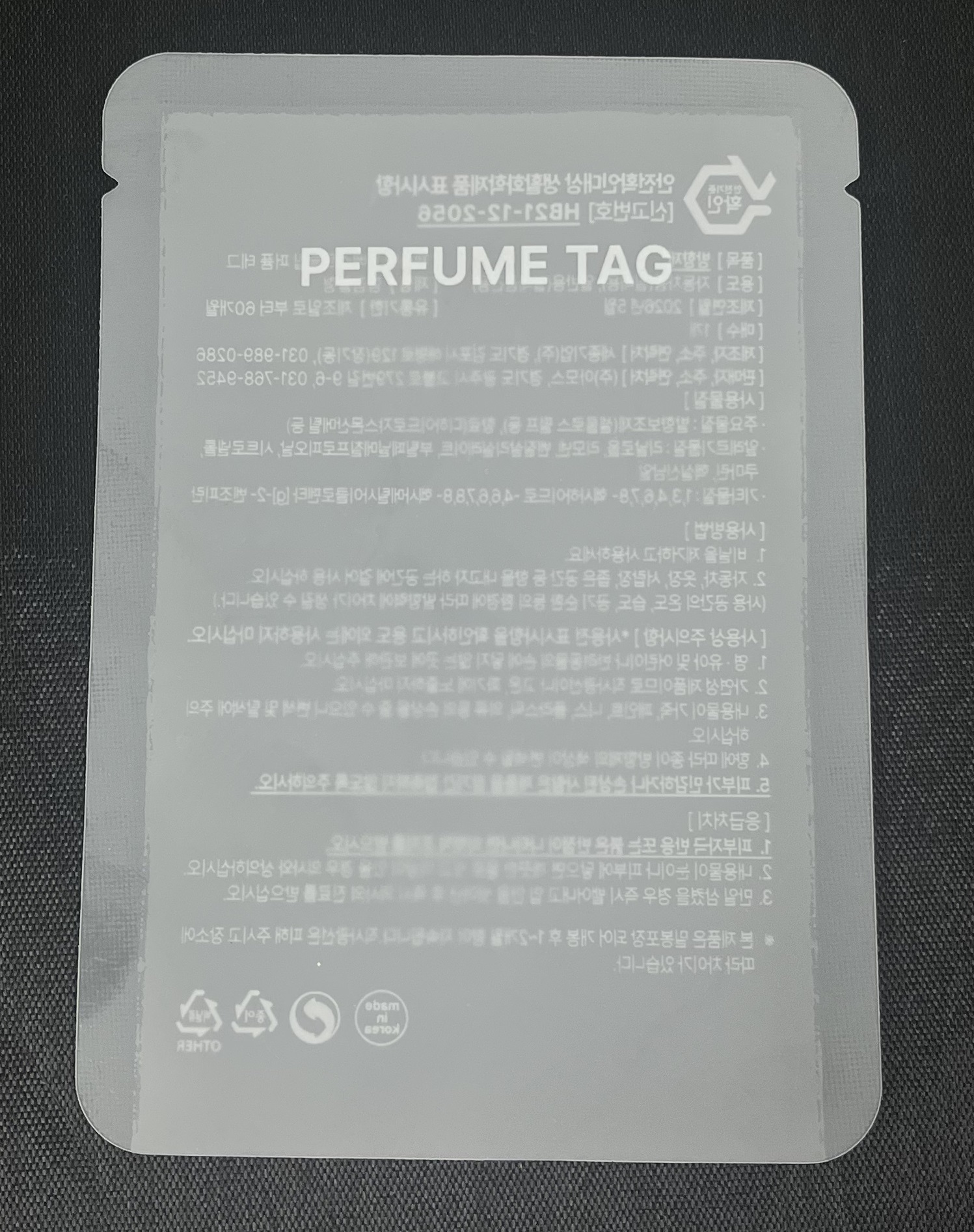
The backbone of any long-lasting product lies in the raw materials chosen during design. When we talk about durability, we're not just referring to hardness or resistance to wear; it's about how the material behaves under daily stress, temperature fluctuations, and unexpected impacts. For instance, certain polymer blends expand and contract without cracking, while specific metal alloys resist corrosion without adding unnecessary weight. These choices are never random—they come from countless hours of testing real-world scenarios that push the limits of both strength and flexibility. Ultimately, the right material doesn’t just survive; it performs consistently year after year.
Freshness is a different kind of endurance—one that depends on a material’s ability to block out oxygen, moisture, or light. High-grade silicone seals, for example, maintain their elasticity far longer than generic rubber, ensuring an airtight barrier that keeps contents crisp or potent. Glass and certain ceramics remain inert, never leaching flavors or reacting with stored goods. Even in textiles, antimicrobial fibers prevent the stale odors that come from bacterial growth. These aren't just features; they’re deliberate selections that preserve the original quality of whatever they touch, whether it’s food, medicine, or the air you breathe indoors.
Tailoring Pouch Designs to Your Brand’s Aesthetic
Every brand carries a distinct visual language, and your pouch designs should be a natural extension of that narrative. Rather than simply stamping a logo onto a pre-made template, consider how materials, colors, and structural details can echo the core of your identity. A minimalist skincare label might lean into clean lines, soft-touch finishes, and muted earth tones, while an edgy streetwear line could experiment with unconventional shapes, bold graphics, or industrial hardware. The key is to let your packaging feel like an unspoken ambassador—something that cues your audience into what you stand for before they even read a word.
Texture and tactility often do the heavy lifting in conveying sophistication or playful energy. A matte laminated pouch with a velvet-like feel can elevate a luxury jewelry collection, whereas a crinkly, translucent material might suit a vibrant snack brand that thrives on spontaneity. Even subtle choices, like the sound of a zipper or the weight of the pouch in hand, create a sensory touchpoint that aligns with your aesthetic. You’re not just picking a container; you’re crafting a small experience that aligns with the larger story your brand tells.
Custom shapes and closure styles can further push the envelope. A curved silhouette or a unique fold-over flap can become a signature, setting you apart on crowded shelves or social feeds. Think beyond the rectangular pouch—maybe a rounded base that stands upright or an asymmetrical cut that encourages closer inspection. When every detail serves your aesthetic, the pouch becomes more than packaging; it turns into a keepsake that customers want to repurpose and remember.
Real-World Uses Across Industries
From healthcare to manufacturing, the integration of advanced data analytics has reshaped how organizations operate on a fundamental level. In hospitals, predictive models now forecast patient admission surges with surprising accuracy, allowing staff to allocate resources before a crisis unfolds. Manufacturing floors have adopted sensor-driven monitoring that spots equipment anomalies days before breakdowns, slashing unplanned downtime. These aren't futuristic experiments—they're everyday tools that quietly keep critical systems running smoother and more reliably.
Retail chains are tapping into real-time purchase data to adjust pricing and inventory on the fly, responding to local demand spikes before shelves empty. Logistics companies reroute shipments mid-journey based on weather shifts and traffic patterns, often saving millions in delayed deliveries. Even agriculture has stepped into the arena, with soil sensors and drone imagery guiding irrigation and harvest timing in ways that feel almost intuitive. The thread connecting all these scenarios is a shift from reactive decision-making to a proactive stance powered by live data streams.
Financial services have long been early adopters, but the scope has broadened. Fraud detection now catches subtle spending irregularities within milliseconds, stopping theft before it spirals. Customer support centers use sentiment analysis to flag frustrated callers and escalate their issues automatically, turning potential churn into loyalty. Across sectors, what stands out is the quiet normalization of smart, automated insights—not as replacements for human judgment, but as a layer of awareness that makes everyday choices sharper and more informed.
Expert Tips for Selecting the Perfect Pouch
When choosing a pouch, consider what you’ll actually carry daily. A slim design might work for cables and small accessories, but if you need to stash a phone, keys, and makeup, opt for something with a bit of depth and a secure closure.
Material matters more than you think. Waxed canvas ages beautifully and handles scuffs, while nylon is lightweight and wipes clean. For a polished look, leather pouches keep their shape but require occasional conditioning.
Don’t ignore the details. A clip or loop can attach to a bag strap, keeping your essentials within reach. Zippers should run smoothly and not snag, especially if you’re opening it often. Test the pouch with your typical load before committing.
Innovations Shaping the Future of Pouch Packaging
The humble pouch is undergoing a radical transformation, driven by breakthroughs that extend far beyond simple material swaps. One of the most exciting shifts is the integration of active and intelligent features directly into the packaging structure. Imagine pouches with built-in sensors that monitor freshness by detecting gases like ammonia or ethylene, changing color to alert consumers when a product is past its prime. This isn't science fiction—companies are already embedding oxygen scavengers and antimicrobial agents into film layers, extending shelf life without relying solely on refrigeration or preservatives. These smart systems are paired with more sustainable substrates, such as mono-material polyolefins that replace multi-laminate structures, enabling full recyclability in existing streams without sacrificing barrier performance.
Design is also being reimagined from the ground up, thanks to advances in 3D printing and digital prototyping. Brands can now create ergonomic, stand-up pouches with complex spouts and dispensing mechanisms that were previously impossible or cost-prohibitive to manufacture. This agility allows for hyper-personalized, limited-edition runs that resonate with niche audiences, while maintaining the protective qualities essential for everything from liquid detergents to delicate granola. At the same time, water-soluble pouches are moving beyond dishwasher tabs into areas like single-dose nutritional powders and pre-portioned laundry strips, drastically reducing consumer handling and waste.
The next frontier lies in bio-integration and circularity. Researchers are successfully blending biodegradable polymers with natural fibers like algae, hemp, or even silk proteins, creating pouches that can be composted at home alongside food scraps. In parallel, refill and reuse models are gaining traction: sturdy outer pouches made from recycled ocean plastics pair with lightweight inner refill packets that use 80% less material. These systems are underpinned by invisible innovations like high-speed laser scoring for clean tear openings and ultrasonic sealing that eliminates adhesives, making deconstruction for recycling easier. The collective result is a packaging format that no longer just contains a product, but actively protects it, tells a story, and seamlessly returns to the earth or the production cycle.
FAQ
They offer a clean, flat profile that stacks easily and presents well on shelves. The sealed edges on three sides leave one open side for product insertion, creating a tamper‑evident barrier once heat‑sealed. This design also allows consistent branding across the face without folds or gussets interrupting the print area.
Match the barrier requirements to your product. For moisture‑sensitive goods, look for foil laminates; for something that benefits from aroma retention, a metalized PET structure works well. If you need high clarity to showcase the contents, clear high‑barrier materials like EVOH or polyester blends keep things visible while protecting freshness. Consider whether you need a tear notch or hang hole, too.
Yes, when built with food‑grade materials. Most manufacturers offer laminates that comply with FDA or EU food contact regulations. Just confirm the innermost sealant layer is approved for your product type, especially if you are packaging acidic items or need hot‑fill capability.
The basic form is rectangular, but you can add features like rounded corners, contoured edges, or even a spout fitment. The flat front and back give you full design freedom, so you are not limited to a plain rectangle. Die‑cutting after pouch forming lets you create a silhouette that stands out on the hook or shelf.
For granular products like powders or snacks, widths from 2 to 4 inches with a length around 5 to 7 inches typically hold 1–2 ounces. For larger single‑serve items like a protein bar or a face mask, you might go up to 4 by 8 inches. Always test fill with your actual product to nail the dimensions, because bulk density varies a lot.
Start with good dwell time, temperature, and pressure on your heat sealer. Contamination from product dust in the seal area is a common culprit, so keep the filling area clean. For heavy items, consider a wider seal band or a secondary cold‑seal adhesive. A burst test on random samples from each production run gives you real confidence before anything leaves the warehouse.
Conclusion
Three-side seal pouches have quietly become the backbone of modern packaging, and for good reason. Their simple yet robust design creates a reliable barrier against moisture, oxygen, and light—key culprits in product degradation. But what truly sets them apart is the marriage of form and function. You can choose from materials like high-barrier foils for long shelf life or clear, recyclable films that showcase your product while maintaining freshness. And then there's the aesthetic edge: with full-panel printing and customizable finishes, these pouches double as miniature billboards, turning every shelf appearance into a brand touchpoint. It's this blend of protection and presentation that makes them a go-to across industries.
From coffee beans and dried snacks to pet treats and pharmaceutical powders, the versatility is staggering. A well-chosen pouch won't just preserve contents; it simplifies filling, cuts down on waste, and appeals to end users with easy-tear notches and resealable zippers. When evaluating options, perceptive buyers look beyond thickness to factors like seal integrity under temperature stress and compatibility with your production line. Meanwhile, forward-thinking suppliers are pushing boundaries with compostable layers and smart features like QR-coded freshness indicators. In a landscape of endless choices, the best 3-side seal pouch is the one that aligns precisely with your product's personality and performance demands—no matter how niche they may be.
Contact Us
Contact Person: Cindy Lee
Email: [email protected]
Tel/WhatsApp: 8613622669331
Website: https://www.dgkody.com