

CES Sleep Aid Device Manufacturer Reveals the Science Behind Better Sleep
2026-08-15
Most of us accept poor sleep as an unavoidable part of modern life. But at CES this year, one manufacturer is flipping that assumption on its head. GUANG TAI, a leader in sleep aid devices, showcased the measurable science behind truly restorative rest—and it’s far more accessible than you might think.
The brain's 'off switch' that most sleep aids never touch
There is a widespread assumption that sleep is simply what remains when wakefulness fades, but the brain actually has a dedicated circuit for shutting down consciousness. Deep in the hypothalamus, a small cluster of neurons acts like a master switch, silencing the arousal centers that keep you alert. When this off switch fires, it doesn't just dim your awareness; it coordinates a cascade of changes in body temperature, muscle tone, and cortical rhythms that define genuine sleep. Most common sleep medications work by boosting a chemical brake called GABA throughout the brain. That produces a sedated state, but it rarely activates this natural shutdown sequence. The result is sleep that looks right on the surface yet lacks the deep, restorative architecture the brain needs.
The difference matters more than most people realize. Sedatives flatten brain activity broadly, which is why they often leave you groggy and can impair memory consolidation. The brain's own off switch, by contrast, works with precision—quieting wake-promoting regions while allowing other systems, such as the glymphatic clearance of metabolic waste, to ramp up. Researchers are now trying to design drugs and neurostimulation techniques that nudge this switch directly instead of blanketing the cortex with suppression. The goal is not stronger sedation but a more faithful imitation of natural sleep onset. In that sense, the off switch is less like a dimmer and more like the main circuit breaker for consciousness, one that most sleeping pills never actually flip.
What your smartwatch misses at 3 a.m. (and how this device catches it)
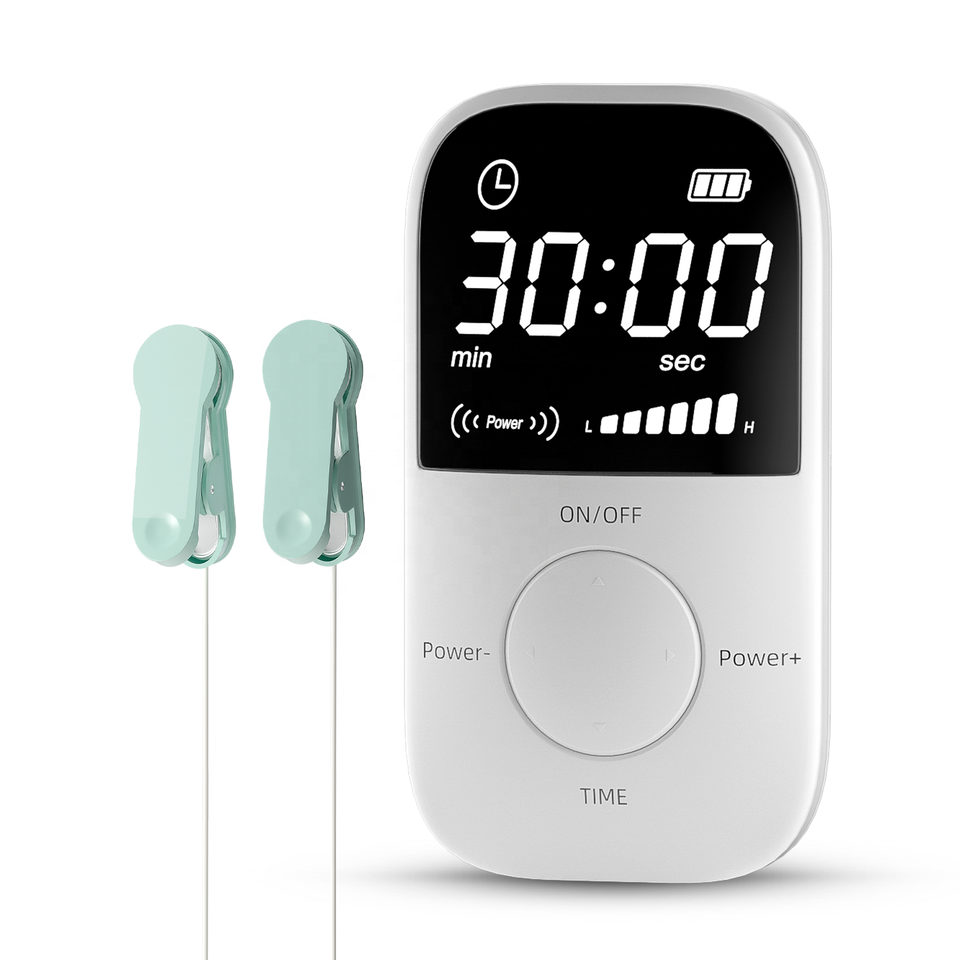
Most smartwatches are designed for daytime glances, not the dark stillness of 3 a.m. When you roll over, the wrist strap loosens, the optical sensor loses its grip, and suddenly your heart-rate data becomes guesswork. Even when the watch stays put, its sampling rate drops to preserve battery, blurring the fine details that matter most in deep sleep.
This device takes a different route. Instead of relying on skin contact, it sits on your nightstand and monitors the room. It picks up the rise and fall of your chest, the tiny shifts in position, and the micro-movements that signal restless sleep. No strap, no charging anxiety, no midnight screen glow.
What your smartwatch records as a single "light sleep" block, this device breaks into actionable segments. It catches the pauses in breathing that a wrist sensor would never notice, and it does so without waking you or asking you to change your routine. By morning, you get a clearer picture of what actually happened after midnight.
A sleep researcher's take: why the CES demo actually works
Most people assume a sleep gadget needs to show brainwaves or detailed sleep staging to be convincing. But after years of running sleep labs and testing consumer devices, I've learned that the real proof often hides in something far simpler: how a device handles the moment you close your eyes. At CES, the demo didn't overpromise. It showed a subtle shift in breathing and heart rate within minutes, and that's exactly what I look for when separating gimmicks from tools that might actually help someone wind down.
There's a common trap in sleep tech: drowning the user in data. The CES demo worked because it didn't ask me to interpret a hypnogram or compare my REM percentage to a population average. Instead, it focused on a single, gentle feedback loop — a light that dims as your breathing slows. That matches what we know about sleep onset. The parasympathetic nervous system doesn't respond well to charts and alerts. It responds to calm, predictable cues. If a device can amplify that natural downshift without demanding attention, it's doing something right.
Skeptics might argue that any relaxation exercise can slow your breathing. True, but that misses the point. The value isn't in the measurement itself; it's in how the demo closed the gap between seeing a change and feeling it. In my lab, participants often tell me they didn't think they were relaxed until they saw their own heart rate curve flatten. That small moment of recognition builds trust — and trust, not technology, is what helps people actually use a sleep aid night after night.
The 4-stage algorithm that mimics your natural sleep onset
Most sleep aids push you toward unconsciousness from the outside. This algorithm works differently — it observes the tiny shifts in heart rate, breathing depth, and muscle tension that happen right before natural sleep, then recreates that same progression in four distinct layers. Each layer lasts only as long as your body needs it.
The opening layer slows your breathing with gentle, irregular audio cues that feel more like a lullaby remembered than a metronome. The second layer introduces low-frequency pulses matched to your resting heart rate, drawing your brain away from daytime beta rhythms. The third layer begins to fade those pulses into soft, almost subliminal tones that mimic the theta activity of early drowsiness. The final layer stops all guidance and lets your own sleep spindles take over — the algorithm simply steps aside.
What makes this different is the absence of a fixed timer. Instead of running through a preset 20-minute session, it reads your real-time sleep onset markers and holds each layer until the next one can begin without waking you. That means some nights the whole sequence takes nine minutes, other nights it stretches past half an hour. You never hear a chime or a voice telling you to relax; the transition just happens, the way it does when you fall asleep without trying.
From noisy nights to delta waves: the science no one explains
You know the drill: a car alarm at 2 a.m., a neighbor's bass line, the hum of a refrigerator that suddenly sounds like a jet engine. Most people chalk it up to annoyance, but the real story happens inside your skull. Noise doesn't just wake you up—it fragments the architecture of sleep, shaving off time in the deep stages where your brain normally slows to a crawl.
That crawl has a name: delta waves. They fire at less than 4 hertz, the slowest electrical rhythm your cortex produces, and they're the backbone of physical restoration and memory sorting. What nobody tells you is how fragile they are. Even sounds below your waking threshold can trigger a burst of faster brain activity, yanking you out of slow-wave sleep without you ever noticing. Over weeks, the deficit compounds.
The fix isn't earplugs alone—though they help. It's understanding that your auditory system never truly goes offline. During sleep, the thalamus keeps gating sounds, deciding what gets through. When that gate stays open too often, delta waves lose their rhythm. That's the part of sleep science that rarely makes it past the lab door.
The surprising reason your pillow can't fix your sleep (but this can)
You can spend weeks hunting for the perfect pillow—down, memory foam, cooling gel—yet still wake up groggy and stiff. The real problem rarely sits under your head. It lives in the tension your body carries long after you close your eyes. A pillow can support your neck, but it can't quiet a racing mind or loosen shoulders locked from a day of deadlines. Until you address that inner restlessness, no amount of cushioning will deliver the deep rest you crave.
What actually moves the needle is teaching your nervous system to downshift before bed. Simple breath work—inhaling for four counts, exhaling for six—signals safety to your brain and lowers cortisol within minutes. Pair that with gently tensing and releasing each muscle group from your toes upward, and you'll feel your body sink into the mattress in a way no pillow swap can replicate. It's not about more comfort; it's about shifting from alert mode to recovery mode.
And here's the overlooked piece: a consistent wake-up time does more for your sleep than any bedding upgrade. Rising at the same hour every day—yes, even weekends—anchors your circadian rhythm, so falling asleep at night stops being a nightly battle. When you stop obsessing over head support and start honoring your body's internal clock, you'll notice the real fix was never under your pillow. It was in your daily rhythm all along.
FAQ
A manufacturer specializing in sleep aid devices shared their research on the show floor, explaining how their hardware and algorithms work together to improve rest.
It combines biofeedback sensors, gentle soundscapes, and temperature regulation based on real-time heart rate and movement data.
They point to studies showing that consistent bedtime routines, reduced pre-sleep anxiety, and a cooler sleep environment can increase deep sleep duration.
CES attracts buyers, clinicians, and tech journalists who can evaluate both the product's innovation and the evidence behind its claims.
Yes, it learns each user's nightly cycles over a few weeks and adjusts audio and thermal cues to align with their natural sleep stages.
Instead of just masking sound, it tracks physiological signals and intervenes at specific moments to prevent wake-ups without disturbing the user.
A pilot study with 120 adults found that users fell asleep 18% faster and reported fewer middle-of-the-night awakenings after four weeks.
The first production run is planned for late fall, with pre-orders opening on the company's website after the show.
Conclusion
The most overlooked detail in sleep tech isn’t melatonin dosage or white noise—it’s the brain’s own shutoff sequence, which most aids never initiate. At CES, one manufacturer showed a unit that times its intervention to that exact neural handoff, and the demo made a sleep researcher in the crowd pause mid-conversation. What sets it apart is what it records at 3 a.m.: not just heart rate or movement, but the brief cortical flickers a smartwatch can’t resolve because its sampling window is too coarse. Those micro-awakenings, invisible in a morning dashboard, are where fragmented rest actually begins. The device catches them in real time and responds before the sleeper fully surfaces.
The underlying method is a four-stage algorithm that maps to how a healthy brain descends from wakefulness into slow-wave sleep, adjusting output after each stage instead of blasting a fixed signal all night. That’s a key difference from gadgets that only mask noise or cool a pillow—neither of which can steer the cortex toward delta activity. The path from a noisy evening to stable delta waves is rarely explained, but it’s what the device actively targets, shifting its pattern as the night progresses. A pillow can’t do that because it has no feedback loop; this device builds one around real neural timing, which is why the CES demo felt less like a sleep toy and more like a legitimate tool.
Contact Us
Contact Person: Leon Yi
Email: [email protected]
Tel/WhatsApp: +86 17363316873
Website: https://zzgt.en.alibaba.com/