

China Down the Hole Hammer Supplier Selection Tips for Mining Projects
2026-11-17
Finding a dependable down-the-hole hammer supplier in China often feels like navigating a crowded marketplace where every vendor makes similar promises. Yet small differences in metallurgy, heat treatment, and after-sales support determine whether your mining project stays on schedule or burns through downtime. This guide breaks down practical selection tips for mining operations, from verifying real-world penetration rates to assessing local service depth. We also look at what sets PULANKA apart when procurement teams need more than a price list: consistent quality, faster troubleshooting, and equipment that holds up under punishing rock conditions.
Matching Hammer Specs to Local Rock Conditions
The first thing to watch is how the rock fails. Massive basalt and dense granite tend to absorb energy until they suddenly split, so a hammer with a long stroke and heavier piston works well there. By contrast, brittle or heavily jointed materials like some shales and weathered limestone often respond better to a shorter stroke with higher frequency because the fractures already give the tool somewhere to move.
Tool diameter and working height also need to follow the ground rather than the carrier size alone. In abrasive quartzite, running the largest diameter bit you can fit often causes the bushings and retaining pins to wear unevenly, especially when the operator is sideloading the hammer. A slightly smaller bit with a smoother feed force may last longer and keep the breaker aligned even if it looks undersized on paper.
Changing conditions within the same job are common. If the bench moves from hard cap rock into softer decomposed material, the hydraulic settings that worked in the morning can turn the afternoon into dust and chipped inserts. Operators should adjust the stroke or flow to keep the bit penetrating instead of bouncing, and check the wear pattern on the tool every shift before it tells you the mismatch in a more expensive way.
Digging Into Heat Treatment and Material Traceability
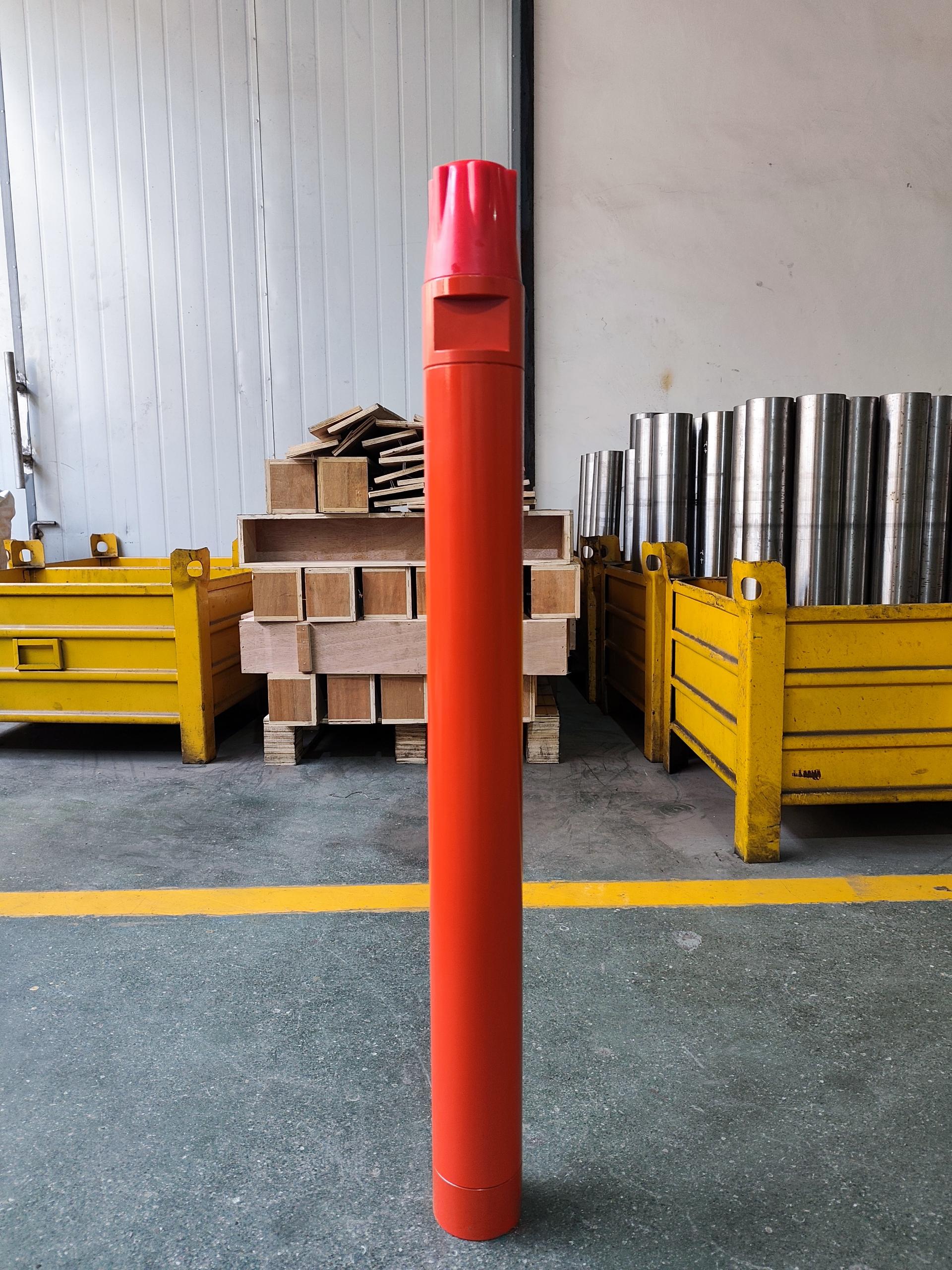
Heat treatment paperwork often looks complete until a part fails in the field. The certificate may list the right hardness range, but the thread connecting that number to a specific raw material lot is frequently thinner than people assume. Once bars are cut, batches are combined, and outside vendors handle normalizing or carburizing, the original heat number can disappear from the routing slip without anyone noticing.
That break in the chain matters because chemistry and thermal history are not interchangeable. Two heats of the same grade can respond differently to identical furnace settings, especially when residual elements sit near the upper or lower end of the allowable range. Traceability should therefore follow the material, not just the finished part, through every preheating, quenching, and tempering step.
A practical fix is to attach scanning points or traveler cards at the moment incoming stock is split. Furnace charts, quench times, and inspection results get linked to the same identifier, so months later an engineer can reconstruct whether a batch was overheated, held too long, or tempered at the edge of the spec. The aim is less about satisfying an audit checklist and more about keeping the true identity of the steel intact from mill to assembly.
Field Performance Evidence from Comparable Mine Sites
Routine maintenance records from three open pit operations working in similar volcanic and intrusive rock show that availability holds up better than design assumptions when cooling systems are configured for high ambient temperatures. At a copper site in the Atacama region, the same class of excavator ran at 91 percent mechanical availability over an 18-month period, with the main deviation from plan coming from bucket lip replacements rather than major drivetrain failures.
Drilling data offers a more direct comparison. In comparable andesite and quartz diorite ground, penetration rates clustered between 0.9 and 1.3 metres per minute once bit pressure and flushing air were matched to the rock hardness. One operation in Western Australia extended bit life by roughly 200 metres per bit after aligning drilling parameters with observations from a nearby pit, which reduced unplanned bit changes during blast pattern completion.
Seasonal effects also show up clearly in the evidence. Sites with heavy wet-season rainfall recorded more frequent filter and electrical connector issues unless daily inspection routines were adjusted, while high-dust sites saw lower hydraulic pump wear when breathers and seals were replaced on shorter cycles. These patterns come from shift logs, component failure codes, and rebuild reports where local operators tracked performance against sites facing the same ground and climate constraints.
Spare Parts Turnaround and On-Site Support Realities
The glossy brochures rarely mention the twelve-hour wait at a regional depot because a single O-ring wasn't in the local bin. Real turnaround times get chewed up by customs clearances, courier consolidation windows, and the fact that some components still ship with paper waybills duct-taped to the crate. When a machine is down, the difference between a four-hour and a two-day parts arrival often comes down to who you know at the freight counter, not what the vendor's service-level agreement claims.
On-site support carries its own unspoken rules. A technician might land with the right part but the wrong firmware revision, or arrive to find that the site's own crew has already attempted a repair and stripped three bolt threads in the process. The best field engineers are the ones who pack a spare set of everything, ignore the official escalation flowchart, and spend the first ten minutes walking the floor to see what actually broke rather than what the ticket says broke.
Then there's the reality of remote diagnostics colliding with physical limits. A video call can show you a leaking seal, but it can't smell overheated grease or hear a bearing that's just starting to whine under load. Experienced maintenance managers know to keep a small cache of the parts that fail most often in their own environment, because the vendor's promised support window shrinks the moment a weather system closes the nearest airstrip or a holiday weekend empties the logistics hub.
Calculating Cost per Drilled Meter Instead of Unit Price
Switching from a flat unit price to a cost-per-drilled-meter model starts with pulling apart every expense that moves with depth. Bit wear, fuel burn, casing wear, mud additives, and labor hours don't increase at the same rate, so lumping them together hides where a job actually makes or loses money. Field crews often find that the first eighty meters cost far less per meter than the next eighty once formations change or water flow picks up.
The calculation itself is straightforward only after the cost categories are separated. Take the total consumables, equipment depreciation, crew time, and support services for a completed bore, then divide by the actual drilled meters rather than the estimated or contracted length. The result tends to shift attention toward rate of penetration and downtime, because a rig that stays productive at 12 meters per hour can show a much lower meter cost than one that drills faster but waits more often.
What makes this approach useful is not the number on a spreadsheet but the questions it forces. A crew that tracks cost per drilled meter starts noticing which ground conditions punish the tooling budget, where trips in and out of the hole erase the day's margin, and whether a supposedly minor delay is actually the main reason a project runs thin. Contractors use that view to price future work with fewer surprises baked in.
Running a Pilot Batch Before Committing to Full Supply
Testing a single pilot batch before locking in a full production order gives you real-world data that spec sheets simply cannot provide. A small run exposes how the material behaves during filling, sealing, and transit, especially when temperature shifts or rough handling come into play. It also reveals whether the chosen packaging works as expected with your actual product rather than a neutral substitute.
During the pilot, pay attention to details that often get overlooked at scale: torque consistency on caps, label adhesion after condensation, and how the container feels in the hand of someone using it for the first time. Asking a few end users to handle the product and give unfiltered feedback can uncover friction points that would otherwise multiply across tens of thousands of units.
Once the pilot batch is approved, document the exact supplier, resin, liner, and tooling settings so the full run matches the tested sample. If anything changed between pilot and production, rerun the smaller batch. The cost of a second pilot is almost always lower than recalling a shipment or absorbing downtime from packaging that fails on the line.
FAQ
Look at whether they have real experience with hard-rock mining sites, not just construction or water well drilling. Ask for case histories from similar ore bodies and talk to their engineers about bit shank configurations and air pressure ranges they handled.
Request mill certificates for the steel and carbides, and ask for batch-level heat treatment records. If a supplier hesitates to share those, that is a warning sign. Remote video inspection of their machining and assembly line can also reveal a lot.
In mining, downtime quickly erases any initial savings. A supplier that stocks pistons, chucks, and bit retainers and can air-freight them within days keeps your drill rig running. Cheap hammers with no spare parts pipeline often become expensive.
Check hammer size, shank connection, operating air pressure, and recommended compressor flow. A common mistake is running a high-pressure hammer on low-pressure air, which kills impact energy and accelerates wear.
Yes. A manufacturer can adjust tolerances, control heat treatment, and offer custom shank options. A trading company may offer lower prices but little technical support. Ask who owns the factory and whether they do in-house CNC grinding and assembly.
Very important. Ask for a trial hammer on one production drill rig under normal mine conditions for two to four weeks. Compare penetration rate, wear on the bit and piston, and air consumption against your current baseline.
Define acceptance criteria for service life, allowed dimensional wear, impact energy, and air consumption. Include failure analysis procedures and a clear warranty that covers material and manufacturing defects, not just free replacement.
Look at how long they have exported to mining markets, whether they hold relevant certifications, and if they invest in research and development for piston and cylinder design. Consistent communication, low staff turnover in technical roles, and an established spare parts catalog also indicate stability.
Conclusion
Choosing a down-the-hole hammer supplier in China starts with geology rather than glossy specification sheets. A hammer that performs well in soft limestone can struggle in fractured granite or highly abrasive sandstone, so ask suppliers how their piston, bit shank, and air flow settings have been adjusted for your specific rock hardness, fracture density, and abrasiveness. Beyond the geometry, dig into heat treatment records and material traceability: request batch-level heat numbers, hardness test values, and subsurface microstructure reports for critical wear parts. Vague claims about “quality steel” should be replaced by documents showing exactly how carburizing, quenching, and tempering were controlled. Then look for field performance evidence from mine sites with similar rock conditions—not just sales references. Ask for drill logs, penetration rate trends, and hammer failure intervals over hundreds of meters, and if possible speak directly with operators who have used the same model in comparable ground.
The second half of the decision usually comes down to support and true operating cost. A cheap hammer loses its appeal quickly if spare parts take weeks to arrive or if no local technician can diagnose a sticking piston. Clarify where common wear parts are stocked, how quickly a replacement bit or chuck can reach your site, and whether the supplier can offer on-site guidance during early runs. Instead of comparing unit prices, calculate cost per drilled meter using realistic figures for bit life, hammer life, fuel consumption, labor, and downtime. Finally, run a pilot batch before committing to full supply: put a small number of hammers on the rig, record penetration rates and wear patterns under normal shift conditions, and use that data to negotiate performance guarantees. This approach turns supplier selection from a bidding exercise into an engineering decision tied to the ground you actually drill.
Contact Us
Contact Person: Elma
Email: [email protected]
Tel/WhatsApp: +86 13738628777
Website: https://www.pulankagroup.com/