

China Flap Gate Valve: Key Benefits and Selection Tips for Industrial Systems
2026-07-17
In industrial fluid control, even small inefficiencies can lead to costly downtime. A flap gate valve might seem like a simple component, but choosing the wrong one can cause leaks, pressure loss, or premature failure. Understanding the key benefits and selection criteria is critical. As a trusted manufacturer, THT offers insights into how the right valve enhances reliability. Let's explore what makes China flap gate valves a smart choice and how to pick the best fit for your system.
Why China Flap Gate Valves Dominate Slurry and Wastewater Systems
Reliability in harsh conditions sets China-made flap gate valves apart. These components handle abrasive slurries and corrosive wastewater with minimal wear, thanks to robust designs that prioritize longevity. Makers focus on materials like ductile iron and stainless steel, paired with resilient seals that resist chemical attack. Field reports consistently highlight fewer failures and extended service intervals, which directly reduces downtime in treatment plants and mining operations.
Cost efficiency is another driving factor. Chinese manufacturers have honed production processes to deliver valves that meet international standards at a fraction of the price. This isn’t about cutting corners — streamlined supply chains and localized sourcing of quality raw materials keep expenses low without sacrificing performance. For system integrators and contractors, the math is simple: lower upfront costs with no compromise on durability make these valves an easy choice for large-scale projects.
Adaptability to diverse system demands further cements their dominance. Whether it’s a high-pressure slurry line or a gravity-fed wastewater channel, Chinese suppliers offer a wide range of sizes and configurations. Customization is often rapid, with design tweaks to seating angles, flanges, or actuation methods readily accommodated. This flexibility, backed by responsive technical support, means engineers can specify exactly what they need without lengthy delays.
Beyond the Basics: Material Choices that Boost Valve Lifespan
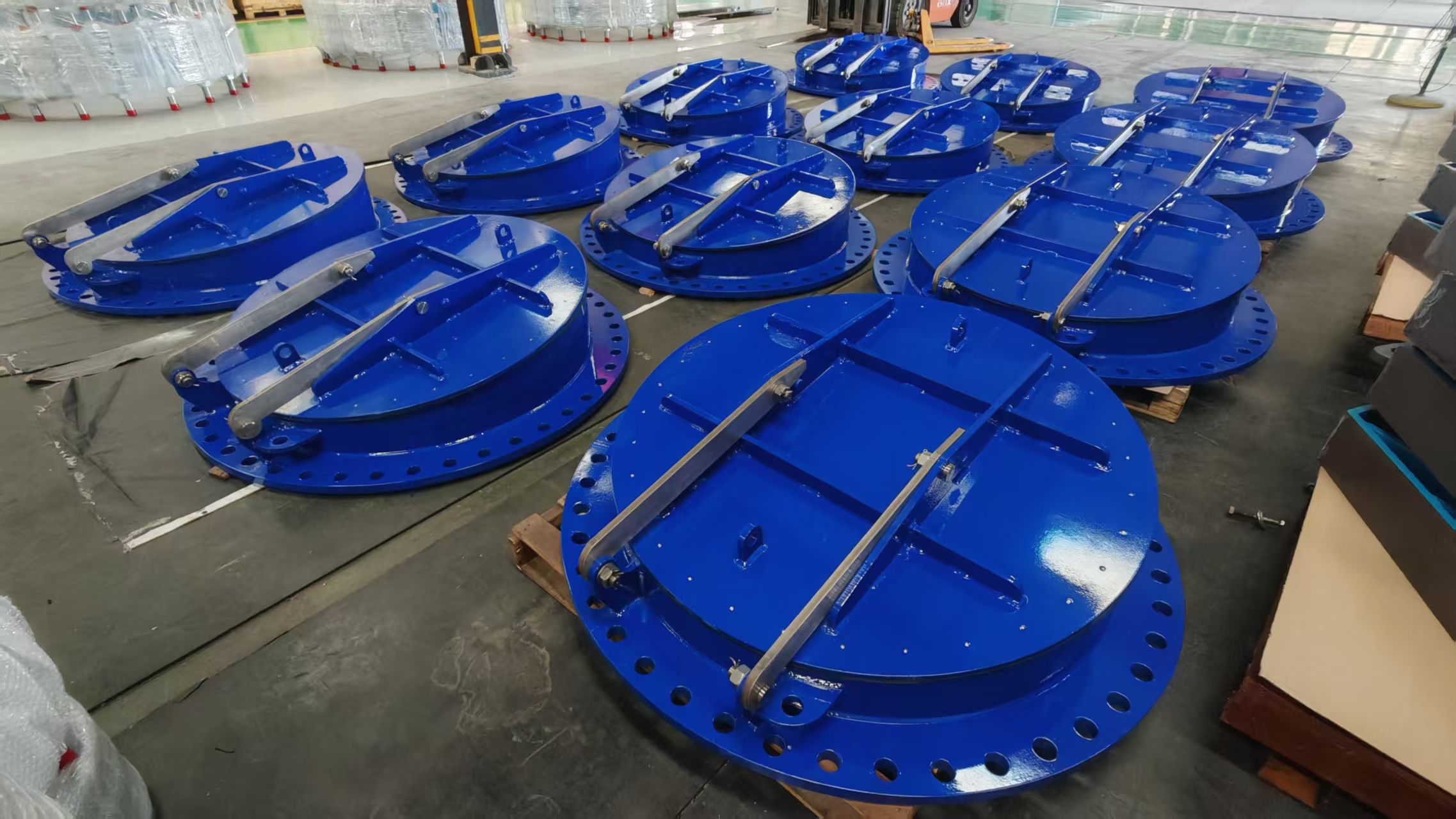
When you move past standard 316 stainless or brass, you enter a realm where valve materials are engineered for the specific demons they'll face. Think duplex stainless steels that laugh off chloride stress corrosion, or nickel alloys like Hastelloy that hold their own in hot sulfuric acid. These aren't just upgrades—they're entirely different beasts, with microstructures tuned to resist pitting and crevice corrosion that would eat a standard valve in weeks.
Then there's the quiet revolution in ceramics and engineered polymers. A full ceramic trim inside a metal body can handle slurries so abrasive they'd turn a hardened steel ball into a golf ball in no time. Meanwhile, PTFE and PFA linings have evolved far beyond simple non-stick coatings; they're now thick, isostatically molded barriers that shield the entire wetted surface from chemical attack, even at elevated temperatures. The trick is knowing when a pure ceramic valve's brittleness is worth the wear resistance, or when a polymer lining's permeation rate is low enough to prevent blistering.
But material selection is never just about corrosion tables. You have to consider the marriage of components: a high-nickel body with a softer seat material might actually wear faster due to galvanic differences, and a hardened trim in a cryogenic application could become dangerously brittle. The most impressive gains often come from surface treatments—PVD coatings like titanium nitride on the ball and stem can reduce friction so dramatically that the valve cycles smoothly for decades without galling. It's this shift from reactive replacement to proactive material engineering that truly redefines what 'long service life' means.
The Real Cost of Choosing the Wrong Valve Size
Selecting an undersized valve might save a few dollars upfront, but it often leads to chronic inefficiencies that bleed money over time. When a valve is too small, flow restrictions force pumps and compressors to work harder, driving up energy consumption by 10% to 30% or more. This constant strain accelerates wear on the entire system, causing unplanned downtime and costly emergency repairs. In process industries, insufficient flow capacity can also create bottlenecks that limit production output, directly impacting revenue. What appears to be a frugal choice quickly turns into a recurring expense that far outweighs the initial savings.
On the flip side, oversized valves bring their own set of expensive problems. While they may avoid flow restrictions, they typically operate in a nearly closed position, leading to unstable control and excessive seat wear. This constant throttling near the seat causes erosion, cavitation, or flashing, depending on the fluid, drastically shortening the valve's service life. Poor control precision can result in off-spec product, wasted raw materials, or even safety incidents—each carrying a hefty price tag. Maintenance teams find themselves repeatedly servicing or replacing these valves, turning a supposed long-term asset into a repetitive drain on the budget.
The hidden costs extend beyond mere equipment replacement and energy bills. Incorrect valve sizing can affect entire plant reliability metrics, leading to regulatory penalties or loss of customer trust if product quality suffers. In many cases, the true expense emerges during shutdowns or capacity expansions, when the wrong valve size prevents system flexibility, forcing expensive retrofits or complete piping modifications. Early collaborative sizing that accounts for actual operating conditions—not just pipe diameter—can avoid these cascading financial burdens. The right valve selection is a strategic investment that keeps processes stable, efficient, and predictably profitable.
Simple Installation Tweaks that Prevent Common Failures
Most installation headaches come from skipping the small stuff. Rushing through with default settings might save a minute, but it often invites permissions conflicts, leftover files, or dependency hiccups down the road. Taking a few extra seconds to read each prompt and uncheck bundled bloatware can spare you the frustration of a botched setup.
One tweak that rarely gets the spotlight is customizing the install path. Keeping programs out of the system drive’s crowded corners not only preserves performance but also sidesteps permission errors when updates roll in. Pair that with a quick user account control check—temporarily granting full privileges if you trust the source—and you’ve already dodged half the cryptic error messages people complain about later.
It’s also worth pausing the “express” instinct for a moment to peek at advanced options. Disabling auto-start features you don’t need immediately, choosing portable or minimal components, and verifying compatibility modes for older tools can turn a risky process into a smooth, one-shot success. A little patience here means far fewer support hunts and repair attempts later.
Sourcing Smart: Evaluating Suppliers Without the Guesswork
Smart sourcing isn't about trusting a polished website or a persuasive sales pitch—it's about digging into the details that most buyers overlook. Start by requesting verifiable proof of past performance: ask for case studies, client references, and real production samples that align with your specifications. Don't settle for generic certifications; instead, look for documented quality control processes and on-the-ground evidence that they can consistently deliver under your deadlines and standards.
Instead of gambling on a full production run, use low-risk trial orders to test both the product and the supplier's communication. Pay attention to how they handle small hiccups—like a packaging tweak or a last-minute change—because these moments reveal far more about their reliability than a flawless initial quote. A supplier who responds with solutions rather than excuses is one worth betting on for the long haul.
Finally, treat the relationship as an ongoing evaluation rather than a one-time approval. Schedule regular check-ins that go beyond order updates, discussing market shifts or material innovations that could affect your business. When suppliers see you as a collaborative partner, they're more likely to be transparent when challenges arise. That kind of open dialogue removes the guesswork and builds a supply chain that adapts with you.
A Practical Maintenance Schedule for Peak Valve Performance
Establishing a maintenance routine for valves is often treated as an afterthought, yet it's the single most effective way to prevent unexpected failures. A practical schedule starts with understanding your system's specific demands: high-cycle operations, corrosive media, or extreme temperatures will wear components faster than a low-stress water line. Instead of relying on generic time intervals, tailor your checks to the actual working conditions. For instance, a valve handling abrasive slurry might need internal inspections every three months, while a steam isolation valve could go a year between tear-downs. Documenting these baselines early saves guesswork later.
The real art of maintenance lies in stratifying tasks by priority and impact. Daily visual walk-throughs can catch obvious leaks or external corrosion, while weekly operational tests on critical valves confirm they open and close smoothly under load. Monthly activities might include grease replenishment and stem seal adjustments, preventing minor issues from escalating. Reserve in-depth teardowns and pressure tests for annual shutdowns, but don't blindly strip everything—focus on the valves that gave subtle clues during routine monitoring. This tiered approach balances resource allocation without sacrificing reliability.
Ultimately, a maintenance schedule only works if it's consistently followed and refined. Use simple log sheets or a mobile app to record each inspection's findings, noting even trivial deviations like a slightly tighter handwheel. Over time, these records reveal patterns that allow you to optimize the schedule further: maybe you'll extend the interval on filters that always come out clean, or shorten it for a valve that always shows wear. The goal is not perfection on paper, but a living plan that keeps your valves performing at their peak without unnecessary effort.
FAQ
A flap gate valve is a type of check valve that uses a hinged disc, or flap, to allow flow in one direction and prevent reverse flow. When fluid moves forward, the pressure pushes the flap open; when flow stops or reverses, the flap closes by gravity or backpressure, sealing off the line. This simple mechanism makes it ideal for preventing backflow in systems like drainage, sewage treatment, and flood control.
Compared to swing or lift check valves, flap gate valves offer lower pressure drop because the full-port design allows unobstructed flow when open. They handle fluids with suspended solids well, as the hinged flap sweeps debris away. Their straightforward construction means fewer moving parts, reducing maintenance and extending service life in dirty or corrosive media.
You’ll find them in water and wastewater treatment plants, stormwater drainage outlets, tidal defense systems, cooling water circuits, and irrigation canals. Essentially, any facility where preventing reverse flow is critical and the fluid may carry silt, grit, or effluent benefits from this valve's clog‑resistant design.
Match the body and disc material to the process fluid. For municipal sewage, ductile iron with a fusion‑bonded epoxy coating often suffices. Seawater or brackish applications demand duplex stainless steel or aluminum bronze. Chemical plants might require Hastelloy or PTFE‑lined valves. Always factor in temperature and pressure extremes, not just corrosion resistance.
Install with the hinge pin horizontal and the flap opening in the direction of flow. Ensure the pipeline can freely swing the disc—no protrusions or debris. Use adequate pipe supports to prevent stress on the valve body. For vertical upward flow, check that the manufacturer allows it; gravity‑assisted closure works best in horizontal runs.
Opt for a counterweight or lever mechanism when backpressure alone isn’t enough to keep the disc seated, such as in low‑pressure systems or where you need faster closure to reduce water hammer. It also helps in situations with fluctuating flow rates, preventing fluttering and premature wear of the hinge and seal.
Reputable Chinese factories align with international standards like ISO 9001, API 6D, or AWWA C513. They typically provide material test reports, third‑party inspection from agencies like SGS or Bureau Veritas, and can deliver valves with CE, WRAS, or UL/FM markings. Documentation trail and in‑house hydrostatic testing further ensure consistency.
Inspect the flap and body seat twice a year for erosion, corrosion, or buildup that could prevent full closure. Clean the hinge pin and lubricate if top‑pivot models have grease fittings. Check any counterweights or springs for free movement. For buried or submerged installations, verify the buried components haven’t shifted and that the exposed spindle moves smoothly.
Conclusion
China flap gate valves have become a cornerstone in industrial slurry and wastewater systems, largely due to their robust design that effortlessly handles abrasive media and prevents backflow. Their dominance stems from a clever combination of a weighted flap and angled seat, which ensures a tight seal even under low-pressure conditions, minimizing leakage and downtime. When selecting these valves, material choice is pivotal—high-chrome alloys or rubber-lined bodies can dramatically extend lifespan by resisting wear and corrosion, especially in harsh chemical environments. However, a common pitfall is underestimating the true cost of incorrect sizing: an oversized valve leads to sluggish response and wasted energy, while an undersized one risks clogging and premature failure. Practical installation tweaks, such as ensuring proper alignment and using flexible couplings, can eliminate stress points and vibration, which are frequent culprits behind early breakdowns.
Equally important is a strategic approach to sourcing; evaluating suppliers beyond surface-level certifications—by requesting material test reports and on-site process audits—reveals the real manufacturing quality. A reliable partner will offer tailored guidance on seat materials and flange standards, avoiding the guesswork that often results in mismatched components. Finally, a practical maintenance schedule, including quarterly inspections of the flap hinge and seal integrity, can preempt failures and keep the valve operating at peak efficiency. By integrating thoughtful material selection, sizing precision, careful installation, and diligent upkeep, industrial systems can harness the full benefits of China flap gate valves—reliability, cost-effectiveness, and extended service life—without falling into the traps that compromise performance.
Contact Us
Contact Person: Su Zhang
Email: [email protected]
Tel/WhatsApp: +86-25219206
Website: https://www.tht-valve.com/