

Cold Rolling Mill Innovations: Boosting Efficiency in Modern Manufacturing
2026-02-26
In the fast-paced world of modern manufacturing, where efficiency and precision are key drivers of success, innovations in cold rolling mills have emerged as a game-changer. This technology is revolutionizing how industries produce high-quality metal products, from automotive parts to consumer electronics. At the forefront of this transformation is GRM, a leader in cutting-edge solutions that enhance productivity and reduce waste. Imagine being able to streamline operations, improve material properties, and cut costs—all while maintaining top-tier standards. It's not just a dream; it's the reality shaped by recent advancements in cold rolling mill technology. As we delve into these breakthroughs, you'll discover how manufacturers are leveraging these innovations to stay ahead in a competitive landscape. Ready to explore the future of manufacturing? Let's uncover the secrets behind boosting efficiency and driving industry progress together.
Advanced Cold Rolling Technologies: Precision and Speed in Modern Mills
In today's industrial landscape, advanced cold rolling technologies are revolutionizing steel and metal production by pushing the boundaries of precision and speed. Modern mills integrate sophisticated automation systems and real-time monitoring tools that allow for micrometer-level accuracy during the rolling process. This high precision ensures consistent product quality, reducing waste and enhancing material properties, while high-speed operations enable manufacturers to meet increasing global demands efficiently.
A key innovation driving these improvements is the adoption of adaptive control mechanisms, which dynamically adjust rolling parameters based on material feedback. Unlike traditional methods, these systems can fine-tune pressure, temperature, and speed on the fly, minimizing defects and optimizing throughput. The incorporation of data analytics and machine learning further distinguishes modern mills, enabling predictive maintenance and smarter workflow management that reduces downtime and boosts overall productivity.
Additionally, advancements in materials science and energy-efficient designs contribute to sustainable manufacturing without compromising performance. Modern cold rolling technologies not only achieve faster cycle times but also lower energy consumption, aligning with environmental goals while delivering superior, high-strength products for diverse applications, from automotive components to construction materials.
Energy Efficiency Breakthroughs: Reducing Carbon Footprint in Rolling Processes
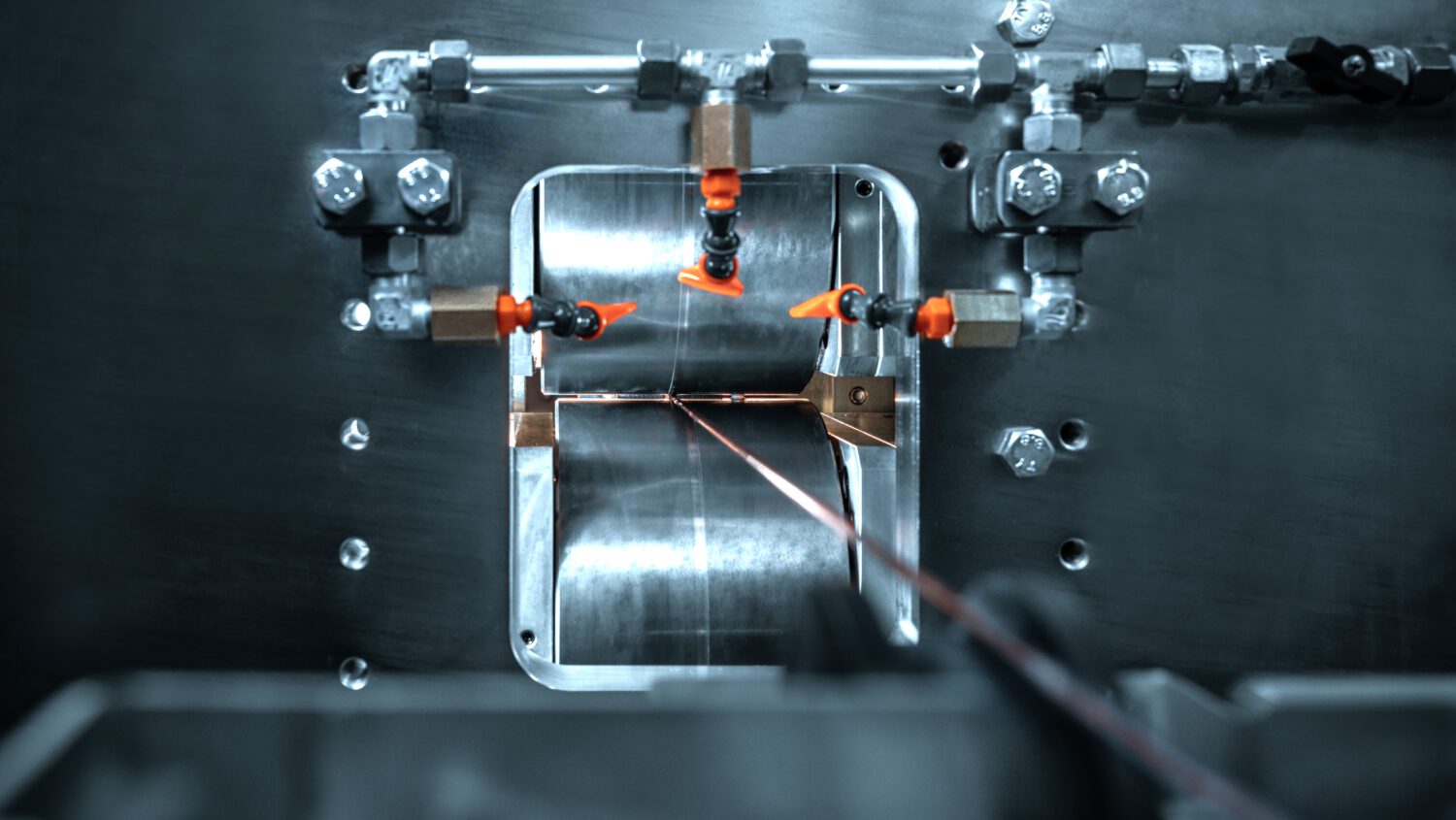
In the world of steel and aluminum production, the high energy demands of rolling mills have long been a significant environmental concern. Recent advancements are shifting this narrative, with innovations like smart roller technology that adjusts in real-time to material thickness, minimizing waste heat. By integrating advanced sensors and AI-driven control systems, these mills can achieve precise temperature management, cutting energy consumption by up to 15% compared to traditional methods. This not only slashes operational costs but directly contributes to lowering greenhouse gas emissions, making heavy industries greener without sacrificing output quality.
Another game-changer is the adoption of hybrid heating systems that combine electric induction with renewable energy sources. Imagine a rolling process where solar or wind power supplements conventional electricity during peak production hours, reducing reliance on fossil fuels. This approach not only diversifies energy inputs but also stabilizes grid demands. Companies implementing such systems report carbon footprint reductions of over 20% annually, showcasing how forward-thinking engineering can turn energy-intensive processes into models of sustainability. It's a step beyond mere compliance, embracing innovation for a cleaner industrial future.
Beyond technology, process optimization through data analytics is unlocking hidden efficiencies. By analyzing historical rolling data, mills can fine-tune parameters like pressure and speed to avoid energy spikes. This isn't just about new hardware; it's a cultural shift toward continuous improvement, where every adjustment chips away at carbon output. For instance, predictive maintenance algorithms prevent equipment failures that lead to energy waste, ensuring smooth operations. The result? A more resilient industry that meets global carbon reduction targets while staying competitive, proving that efficiency breakthroughs are as much about smart thinking as they are about groundbreaking tech.
Automation and AI Integration: Enhancing Productivity with Smart Systems
In today's fast-paced business environment, automation and AI integration are transforming how organizations streamline their operations. By harnessing smart systems, companies can automate repetitive tasks, allowing employees to focus on creative and strategic work. This not only boosts efficiency but also reduces errors, leading to a more productive and agile workforce.
The synergy between automation and AI goes beyond simple task completion; it enables predictive analytics and intelligent decision-making. For instance, AI-powered tools can analyze vast amounts of data to forecast trends and optimize workflows in real time. This proactive approach helps businesses stay ahead of challenges and seize opportunities for growth.
Implementing these smart systems requires careful planning and adaptability, but the benefits are clear. From improving customer interactions to enhancing supply chain management, automation and AI integration foster innovation and sustainable productivity gains. Embracing this technology is no longer a luxury but a necessity for staying competitive in a rapidly evolving market.
Material Quality Improvements: Superior Steel Finishes and Durability
The use of premium steel finishes elevates both aesthetics and performance, ensuring each component withstands rigorous conditions. By incorporating advanced coating technologies, these surfaces resist corrosion and wear, extending product lifespan significantly. This attention to detail transforms ordinary steel into a resilient material that maintains its sleek appearance even under heavy use.
Durability is further enhanced through precision engineering that optimizes steel's structural integrity. Innovations in alloy composition and heat treatment processes contribute to a robust framework capable of handling extreme forces without compromising on style. Such improvements reduce maintenance needs and reinforce reliability in diverse environments, from industrial settings to everyday applications.
Beyond technical enhancements, these superior finishes offer a tactile and visual appeal that sets products apart in competitive markets. By blending form with function, the steel achieves a balanced durability that adapts seamlessly to various design requirements. This synergy of quality and craftsmanship ensures long-term value and satisfaction for users.
Cost-Effective Maintenance Strategies: Minimizing Downtime and Upkeep
Effective maintenance strategies strike a balance between spending just enough to keep operations running smoothly without overspending. One approach is condition-based monitoring, using sensors and data analytics to predict when equipment needs attention. This proactive method reduces unexpected breakdowns, slashing downtime and avoiding costly emergency repairs. By focusing on actual wear rather than arbitrary schedules, companies can extend asset life and cut unnecessary upkeep expenses.
Another key tactic involves cross-training maintenance staff to handle multiple types of equipment. This versatility ensures that when issues arise, the right person is available quickly, minimizing delays. It also fosters a deeper understanding of systems, leading to faster diagnoses and solutions. Investing in employee skills pays off by enhancing efficiency and reducing reliance on external specialists, which often comes with higher costs and longer wait times.
Additionally, integrating lean principles into maintenance routines can streamline processes and eliminate waste. For example, implementing a 5S methodology—sort, set in order, shine, standardize, and sustain—organizes tools and workspaces, making inspections and repairs quicker. This systematic approach not only curbs downtime but also promotes a culture of continuous improvement, where small, incremental changes lead to significant long-term savings on upkeep.
Sustainable Innovations: Eco-Friendly Practices in Metal Manufacturing
Modern metal manufacturing is increasingly embracing sustainability through innovative processes and technologies. Key practices include energy-efficient smelting techniques that reduce carbon footprints and minimize waste. This shift not only benefits the environment but also enhances operational efficiency and reduces long-term costs.
A notable example is the integration of closed-loop recycling systems, which allow manufacturers to reuse scrap metal, reducing reliance on raw materials and landfill waste. Such systems are complemented by advancements in green chemistry, which employ non-toxic solutions for metal treatment and finishing, thereby safeguarding ecosystems and worker health.
Furthermore, companies are adopting water conservation methods and investing in renewable energy sources to power their facilities. By prioritizing eco-friendly practices, the industry is paving the way for a more resilient and responsible future in metal production, demonstrating that environmental stewardship and economic growth can go hand-in-hand.
FAQ
Recent advancements include precision gauge control systems and automated lubrication, which reduce energy consumption and enhance product quality by minimizing thickness variations and wear.
By integrating energy recovery systems and using eco-friendly coolants, modern mills lower carbon footprints and waste, aligning with green manufacturing goals without compromising output.
Automation enhances efficiency through real-time monitoring and adaptive control, allowing for faster adjustments to rolling parameters and reducing manual errors and downtime.
Digital twins simulate mill processes to predict performance and optimize settings, enabling proactive maintenance and improved throughput without physical trial-and-error.
Challenges like high initial costs and workforce training are mitigated through phased rollouts and tailored training programs, ensuring smooth adoption and long-term benefits.
They lead to superior surface finishes and tighter tolerances, as innovations like advanced sensors and feedback loops ensure consistent quality across batches, meeting strict industry standards.
Conclusion
Cold rolling mill innovations are revolutionizing modern manufacturing by integrating precision technologies and energy-efficient breakthroughs. Advanced cold rolling technologies now deliver unprecedented speed and accuracy, enabling mills to produce high-quality steel with minimal waste. Simultaneously, energy efficiency advancements help reduce the carbon footprint of rolling processes, making operations more sustainable. These improvements not only enhance overall efficiency but also align with global environmental goals, positioning cold rolling mills as leaders in eco-conscious production.
Furthermore, automation and AI integration are boosting productivity through smart systems that optimize workflows and predict maintenance needs, minimizing downtime. Material quality improvements result in superior steel finishes and enhanced durability, meeting stringent industry standards. Cost-effective maintenance strategies further support continuous operation by reducing upkeep expenses. Sustainable innovations, including eco-friendly practices in metal manufacturing, ensure that these advancements contribute to long-term viability, making modern cold rolling mills more efficient, resilient, and environmentally responsible.
Contact Us
Contact Person: Rayna
Email: [email protected]
Tel/WhatsApp: 86 -173 1474 6343
Website: https://www.grmrollingmill.com/