

Commercial Cube Ice Maker Maintenance Tips to Extend Equipment Life
2026-11-16
Most commercial cube ice makers don't die from old age—they're killed by neglect. If you're tired of unexpected breakdowns and want to squeeze every last cube out of your investment, the right maintenance routine makes all the difference. YOMAN has the practical tips you need to keep your machine running strong for years.
Give the Condenser Coils Some Breathing Room
Condenser coils sit on the back or bottom of the fridge, quietly pulling heat out of the interior. When dust, pet hair, or kitchen grease builds up on them, the whole system has to work harder just to keep the same temperature. A couple of times a year, roll the appliance away from the wall, unplug it, and use a coil brush or vacuum with a narrow attachment to clear the grime. The difference in cooling performance can be immediate, and the compressor will thank you with a longer life.
It's not just about cleaning, though. The space around the coils matters just as much. If the fridge is pushed tight against the wall or boxed in by cabinets, warm air gets trapped and recirculated. Pull it out a few extra inches so air can move freely across the coils. Some models vent from the bottom or the top, so take a quick look at the manual or just feel for warm air escaping after the unit has been running. Creating a clear path for that heat to leave the kitchen side of the fridge is one of the simplest ways to prevent mid-summer breakdowns.
Swap That Water Filter Before It Sabotages Your Ice
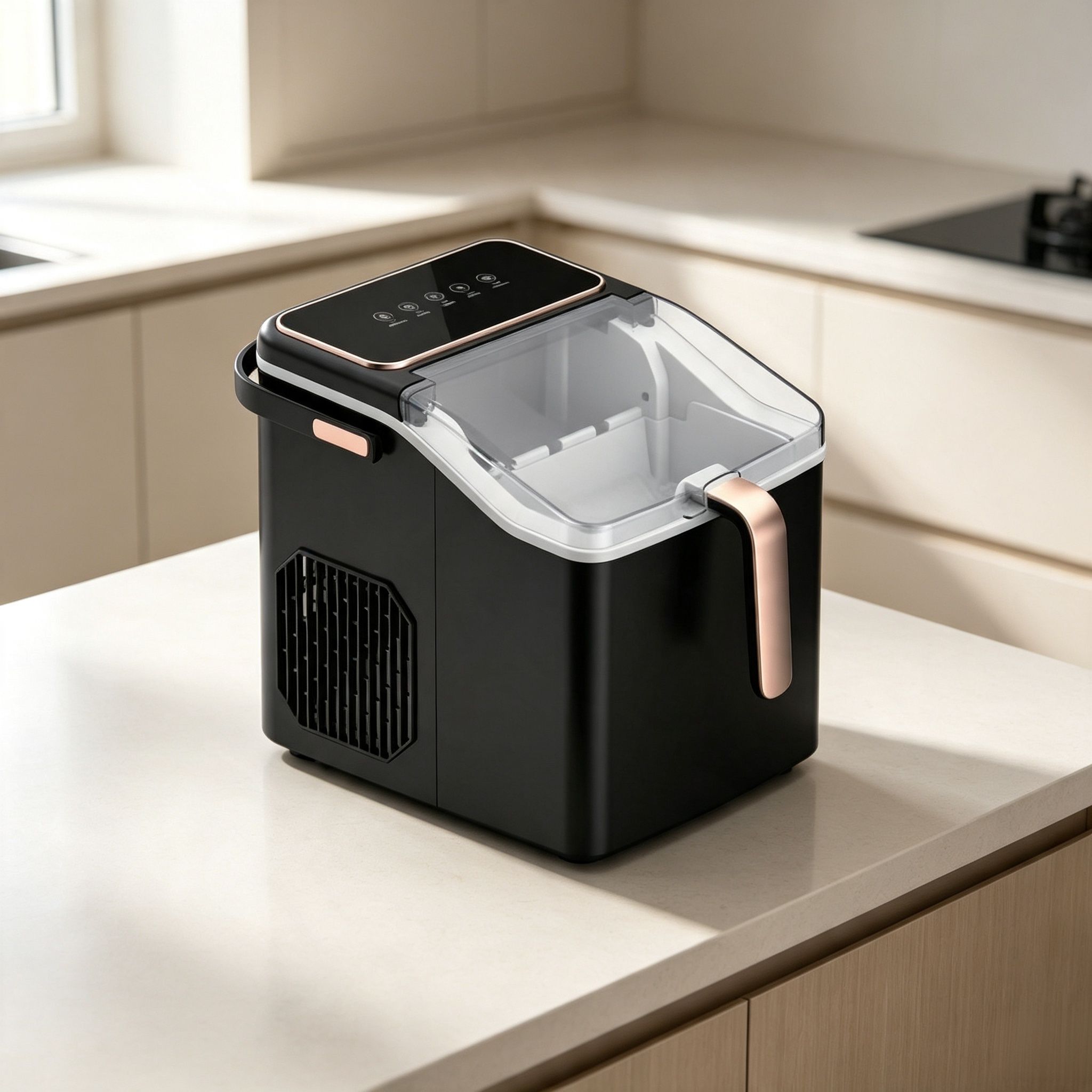
Your ice maker works hard, but it's only as good as the water running through it. When the filter gets clogged or exhausted, impurities like chlorine, sediment, and even tiny bits of scale start slipping past. Before long, every batch of ice picks up a faint chemical taste or a cloudy, stale crunch that ruins even the simplest glass of water.
Worse, a spent filter forces the system to push against higher pressure. That strain can shorten the life of the pump and freeze unevenly, leaving you with hollow cubes that melt fast and water down drinks. Swapping the filter on schedule isn't just about flavor—it's about protecting the whole machine from a slow, expensive decline.
Most manufacturers suggest a swap every six months, but if your ice starts smelling off or looking milky, don't wait. A fresh filter costs less than a single bag of store-bought ice. Make the change now, and your next sip will be crisp, clear, and completely yours.
A Weekly Wipe-Down That Prevents Slimy Surprises
That thin layer of grime on the fridge shelf or around the sink drain doesn’t announce itself—it just quietly turns into a slick, smelly film by the weekend. A five-minute weekly wipe-down with warm water and a splash of white vinegar stops the cycle before it starts. Pay attention to rubber seals, under the crisper drawers, and the edge of the garbage disposal flange; these are the spots where moisture lingers and slime gets a foothold.
Use a microfiber cloth instead of a sponge, which tends to hold onto the very bacteria you’re trying to remove. Wring it out well so you’re not leaving extra dampness behind. For showers, run a squeegee over the walls after the last rinse, then hit the corners and the soap dish once a week. You’ll spend less time scrubbing hardened pink gunk later, and the room won’t have that faint sour note.
The trick is consistency, not force. A quick pass every Sunday evening—or whatever day fits your routine—keeps surfaces dry and discourages the biofilm that turns into that slippery coating. Skip a week and you’ll notice the difference immediately; stay on schedule and the weekly wipe-down becomes as automatic as taking out the trash.
Check the Door Gasket for Sneaky Leaks
A worn or warped door gasket doesn't always announce itself with an obvious tear. Sometimes the leak is so subtle you only notice it through higher energy bills or a fridge that runs more often than it should. Start by closing the door on a thin piece of paper or a dollar bill. If you can pull it out with little resistance, the seal isn't gripping evenly.
Run your fingers slowly along the rubber gasket while the door is closed. Pay attention to corners and spots where the gasket folds or flexes. If you feel cold air escaping on a fridge or warm air on an oven, that's a red flag. Also check for brittleness, flattening, or cracks that don't close back up.
Cleaning the gasket with warm, soapy water can restore some pliability and remove sticky residue that breaks the seal. If that doesn't fix the leak, you may need to soften the rubber with a hair dryer on low heat and reshape it, or replace the gasket entirely.
Dial In the Ice Bridge Thickness to Stop Jams
Getting the ice bridge thickness right isn't a one-size-fits-all job. River flow, air temperature, and even how the channel bends all push back against a uniform number. Instead of copying a spec sheet, read the river: where does the current shove hardest against the underside, and where does the cold bite deepest overnight? Adjust the target thickness in those spots so the bridge holds without turning into a dam itself.
A bridge that's too thin cracks under pressure, letting slabs break loose and pile into a jam downstream. Too thick, and you've built a wall that starves the channel, forcing water to find a new path around the edges. The sweet spot is where the ice flexes but doesn't fracture, and the flow underneath keeps moving fast enough to carry debris through instead of stacking it up.
Check the bridge daily, not weekly. Wind, snow load, and a sudden warm spell change the math overnight. If the surface looks milky or sounds hollow underfoot, it's losing strength. Shave it back or reinforce the weak section before the next cold snap locks in a problem. Dialing in thickness is less about hitting a magic number and more about staying one step ahead of the river's mood.
Book a Pro Tune-Up Before Peak Season Hits
Most homeowners only think about their system when it stops working, and by then, every technician in town is already double-booked. Scheduling a professional tune-up now means you get first pick of appointment times, not the leftover slots after the first heat wave or cold snap hits. Technicians also tend to move faster during the off-season—fewer emergency calls means they can take an extra fifteen minutes to check things most companies skip.
A proper tune-up does more than change a filter. Pros will measure refrigerant levels, test electrical connections, clean coils, and catch worn parts before they turn into a midnight breakdown. That kind of attention can cut your energy bills by a noticeable margin and add years to the equipment. Plus, if your system is still under warranty, many manufacturers require documented annual maintenance to keep the coverage valid.
Peak season always brings a rush of last-minute calls, and that's when pricing gets less flexible and workmanship gets rushed. Lock in a slot while schedules are open and the weather is mild—you'll thank yourself later when everyone else is stuck on a waiting list.
FAQ
Every two weeks works for most machines, but if you notice cloudy cubes or a musty smell, clean the water lines and reservoir immediately. Use a nickel-safe ice machine cleaner, flush thoroughly, and run two full ice-making cycles before putting the ice back into service.
Look at the condenser coil first. A dust-choked coil forces the compressor to work harder and slows ice production. Brush or vacuum the coil gently, then check the air filters if your unit has them. Restoring airflow often brings cube size and cycle time back to normal.
Yes, because taste is not the only issue. Sediment and scale can coat the evaporator plate and clog the water inlet valve. A good filter rated for commercial ice machines reduces mineral buildup and extends the time between deep cleanings, especially in hard-water areas.
That is biofilm, and it needs more than a rinse. Remove all ice, wash bin surfaces with a food-safe sanitizer, and check the drain line for partial clogs. Sanitize any scoops or containers stored in the bin at the same time to prevent recontamination.
Run your finger along the gasket and look for cracks, flattening, or gaps. Close the door on a dollar bill and pull it out. If it slides out easily in several spots, the seal is weak. Replacing a worn gasket keeps cold air in and reduces frost buildup around the opening.
For short breaks, leave it running so the machine maintains temperature and prevents stagnant water. For longer shutdowns, turn it off, remove all ice, drain the water, and leave the door propped open to let moisture escape. This prevents mold and mineral rings from forming.
Many people ignore the water inlet valve screen. It is a small mesh filter where the supply line connects. Debris collects there and reduces water flow, which can cause thin cubes or low production. Unscrew the line, pull the screen, and rinse it monthly.
Conclusion
A commercial cube ice maker is only as reliable as the maintenance habits behind it. Start by giving the condenser coils some breathing room—dust and grease buildup force the compressor to work harder, shortening its lifespan. Pull the unit away from the wall, vacuum the coils with a soft brush attachment, and make sure there's at least six inches of clearance on all sides. Pair that with swapping the water filter before it sabotages your ice: a clogged filter lets scale and sediment through, muddying clarity and slowing freeze cycles. Replace it every six months, or sooner if your water hardness is high. And don't skip the weekly wipe-down. Mineral film and food residue collect fast in humid kitchens, turning into slimy surprises inside the bin. Use a food-safe sanitizer on all interior surfaces, then air-dry completely before reloading.
Small mechanical issues often hide in plain sight, so check the door gasket for sneaky leaks. A torn or loose seal lets warm air in, forcing the evaporator to overwork and causing frost buildup. Run a dollar bill along the gasket—if it slides out easily, replace the seal. Next, dial in the ice bridge thickness to stop jams before they start. If the bridge is too thin, cubes break apart in the harvest cycle; too thick, and they fuse into a slab that jams the drop. Consult your manual for the adjustment screw and make tiny changes until cubes release cleanly. Finally, book a pro tune-up before peak season hits. A technician can check refrigerant levels, calibrate the thermostat, and spot bearing wear you'd never notice until a breakdown. Spreading these tasks across the calendar keeps your machine running through the hottest months without surprise downtime.
Contact Us
Contact Person: Mr. Sun
Email: [email protected]
Tel/WhatsApp: 8618867635088
Website: https://www.nbyoman.com/