

Cosmetic Bottles Factory: Key Considerations for Quality and Customization
2026-08-13
A cosmetic bottle is rarely just a container—it's the first physical promise your brand makes to a customer. Yet too many brands discover late that their factory's version of "quality" and "customization" falls short of the sample they approved. At Zhejiang Haitong Plastic Industry Technology Co., Ltd., we believe those two words should mean consistent wall thickness, flawless finishes, and the ability to adjust every detail from neck finish to decoration—without hidden compromises. Here are the key factors we've learned to scrutinize when evaluating a cosmetic bottles factory.
Formula-Safe Materials: Ask These Questions First
Before you trust any bottle, storage container, or mixing tool with formula, stop and ask what it's actually made of. Not every plastic is engineered to handle warm liquids or repeated sterilization, and labels like "food grade" don't automatically mean formula-safe. Check whether the material is free of BPA, BPS, and phthalates, and whether the manufacturer discloses the full resin code or polymer name. If the product page hides the material, treat that silence as a red flag.
Heat changes everything, so ask how the material behaves at the temperatures you'll actually use—whether that's a bottle warmer, a dishwasher, or boiling water for sterilization. Some materials start to leach additives when they hit 70°C or 80°C, even if they pass cold-contact tests. Look for specific temperature limits, not just vague claims like "heat resistant." Glass and medical-grade silicone tend to be safer bets because they don't rely on plasticizers to stay flexible.
Finally, question the lifespan. Scratches, cloudiness, and micro-cracks in plastic aren't just cosmetic—they create places for residue to hide and accelerate breakdown. Ask how many sterilization cycles the material is rated for, and what signs mean it's time to replace the item. A material that can't hold up to daily use without degrading isn't formula-safe, no matter what the marketing says.
Tooling Precision: Where Low-Cost Molds Cut Corners
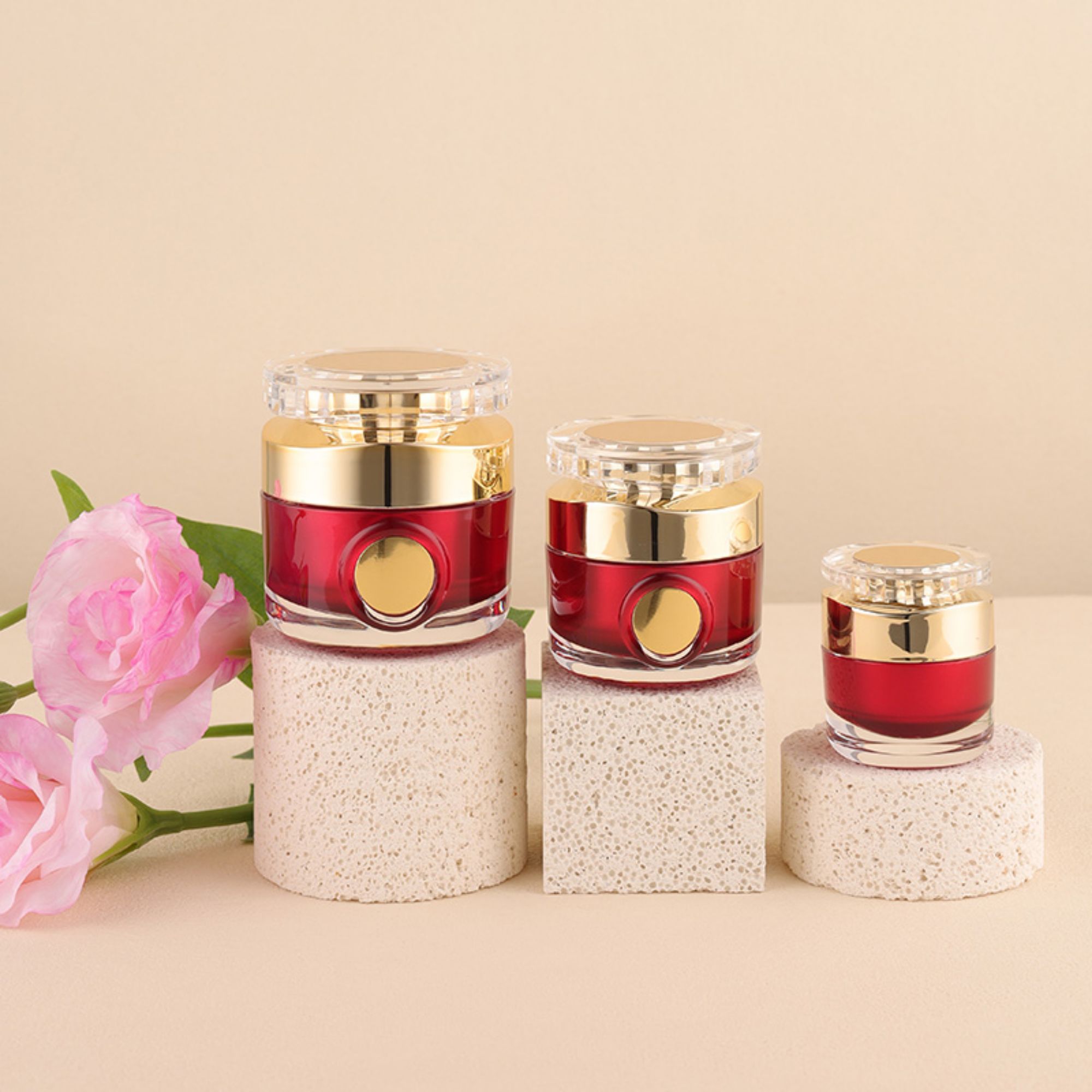
Low-cost molds usually show their true colors the moment you look at tolerances. A well-built tool can hold a critical dimension to within a few thousandths of an inch across thousands of cycles, but many budget shops quietly open that window to twenty or thirty thousandths. The result is parts that almost fit—binding at one end, loose at the other—and you end up shimming, sanding, or scrapping more than you saved on the tooling. The root cause is often the steel itself: cheaper molds swap hardened tool steel for a softer pre-hardened grade, so the cavity edges roll over sooner, flash appears at the parting line, and dimensions drift long before the project should be done.
Precision also falls apart in the moving details. Where a quality mold would use a sliding core or angled lifter to form an undercut, the low-bid version might force the part off a straight core, leaving behind witness marks, drag lines, or even a torn surface. Ejector pins are fewer and placed where it is convenient for the toolmaker, not where the part needs support, so thin walls get pushed too hard and show stress whitening. And the parting line itself tells the story: on a cheap mold, the two halves often meet with visible mismatch, so every molded part carries a thin line of flash or a slight step that has to be trimmed by hand.
Then there is the part nobody sees until production starts: thermal control and surface finish. A precision mold often includes conformal cooling channels or beryllium-copper inserts to pull heat out evenly, keeping shrinkage consistent from cavity to cavity. Budget tooling tends to rely on a few straight drilled holes and maybe a water line that dead-ends, so cycle times climb and warpage becomes a lottery. The cavity surface is another giveaway—instead of a high-grit polish or a deliberate texture, you get a quick 400-grit pass that leaves microscopic grooves. Those grooves grab the plastic, making ejection harder and leaving a dull, streaky finish that no amount of secondary work can fully hide.
Neck Finish and Closure Fit: The Leak-Proof Formula
A reliable seal rarely comes from a single dimension. The neck finish has to hold its roundness under capping pressure, while the closure liner or plug needs to compress evenly against the sealing surface. If the thread start is even half a millimeter off or the E dimension wanders outside its tolerance, you get a cap that feels tight but weeps at the shoulder.
The formula that actually matters is: consistent neck geometry plus closure torque range plus liner compression. It sounds basic, but most leaks trace back to one of those three drifting. For glass, a slightly rough transfer bead can grab the closure skirt and create false torque; for plastic, cooling stress can ovalize the neck just enough to break the seal on one side.
So before chasing exotic gasket materials, measure the neck finish at multiple points around the circumference and compare it against the closure drawing under the same application torque. A ten-minute profile check on the production line often beats a week of lab testing when the goal is stopping leaks before the pallet leaves the warehouse.
Decorating Techniques That Outlast the Product
Some decorating methods quietly outlive the objects they were first applied to. Hand-rubbed finishes, for instance, never really disappear—they resurface on new materials and in different rooms. What changes is not the technique itself but how it gets reinterpreted across decades. A waxed limewash wall from the 1980s shares DNA with the soft, chalky surfaces people still ask for today, even though the exact product formulas have moved on.
The same holds for layering. Whether it's glazing on cabinets or rag-rolling on plaster, the impulse to build depth through multiple translucent coats keeps coming back. These approaches survive because they respond to light and touch in ways that flat, single-coat finishes cannot. When a decorating technique outlasts the product that popularized it, that's usually a sign it has become part of the craft itself—not just a passing trend.
Beyond the Sample: Checking Consistency in Production
A signed-off sample can create a false sense of security. Once a line starts running, subtle shifts in raw material lots, tool wear, and even ambient temperature can pull outputs away from that reference point. Relying only on the initial approval means these drifts often go unnoticed until a customer files a complaint.
A better approach treats consistency as a running conversation rather than a one-time checkpoint. Statistical process control charts, in-line sensors, and periodic capability studies help track variation in real time. The goal is not just to catch bad parts, but to see the process moving toward a limit before it crosses one.
When a shift does appear, the response should focus on tracing the cause, not assigning blame. It could be a new coolant mix, a different operator's technique, or a supplier that quietly changed its own process. Building inspection into the rhythm of production keeps the delivered product aligned with the sample that earned the customer's trust.
Sustainable Bottles Without the Premium Price Tag
A lot of people assume that going green with your water bottle means handing over a small fortune. The truth is, there are plenty of thoughtfully designed, durable bottles that cost less than a couple of coffees. These aren't flimsy knockoffs either—many use the same food-grade stainless steel or BPA-free plastics as the big names, just without the heavy marketing markup.
What really matters is whether the bottle holds up to daily use and actually replaces single-use plastic. A lower price tag doesn't have to mean a shorter lifespan. Look for simple designs with solid lids, wide mouths for easy cleaning, and materials that won't leach anything into your drink. You might be surprised how many budget-friendly options tick all those boxes.
At the end of the day, sustainability is about reducing waste, not chasing brand names. Choosing an affordable reusable bottle that you'll actually keep using is far better than buying an expensive one that sits in a cupboard because you're scared to scratch it.
FAQ
Look beyond the sample photos. Ask how they handle material sourcing, whether they have in-house mold making, and how they document quality checks. A factory that walks you through their defect rate and offers references is usually more reliable than one that only talks about capacity.
It changes everything from weight to chemical resistance. Acrylic gives a glass-like clarity but can scratch, PETG is more impact resistant and accepts tinting well, while glass feels premium but adds shipping weight. The factory should help you match the material to the product formula, not just the visual.
Many factories offer custom molds for unique shapes, but that involves tooling fees and longer lead times. You can also play with neck finishes, pump styles, sprayers, dropper inserts, matte vs. glossy coatings, hot stamping, silk screening, or even embedded color gradients. The key is to ask what's feasible without pushing the minimum order too high.
Because most factories need a certain volume to justify setting up a production line or custom mold. However, some are willing to start with stock bottles and add custom decoration later, which keeps MOQ lower. It's worth asking if they offer semi-custom options or can hold inventory for phased delivery.
Ask the factory to provide pre-production samples, keep a signed golden sample on file, and agree on tolerance levels for color, weight, and dimensions. Regular batch inspection reports—preferably with photos—also help. A factory that voluntarily shares defect data is usually more transparent than one that hides it.
More brands now ask about PCR (post-consumer recycled) content, refillable designs, or mono-material bottles that are easier to recycle. A good factory should be able to tell you the percentage of recycled resin they can use without compromising clarity or durability, and whether their packaging is compatible with common recycling streams.
It depends on customization. Stock bottles with simple decoration might ship in 2-4 weeks, while a custom mold can add 4-8 weeks for tooling before production even starts. Always pad the timeline for sample approvals and unexpected delays, especially around peak seasons.
Look for ISO 9001 for quality management, and if you're exporting to the EU or US, check for REACH or FDA compliance on materials. Some factories also carry GMP or social compliance audits. Don't just ask for certificates—ask how recently they were audited and whether the certificate covers the specific production line your bottles will use.
Conclusion
Choosing a cosmetic bottle supplier starts well before you see a sample. Ask for full material disclosure—resin grade, additive compatibility, and migration test results matter when formulas contain actives, oils, or acids. Don't settle for vague 'food-grade' claims; request the exact certificate for the container grade and any colorant or masterbatch included. A cheap mold might look fine on a render, but inconsistent wall thickness, flash, or worn cavity surfaces show up later as stress cracks, sink marks, or uneven surface finish. Pay equal attention to the neck bore and thread specifications: a closure that seats tightly at room temperature can loosen after repeated opening or thermal cycling, so request dimensional reports from both bottle and cap molds, not just a fit check on one prototype.
Decoration is another place where initial appearance misleads. UV-cured inks, hot stamping, and spray coatings need adhesion and abrasion testing against the actual formula and expected shelf life—not just a visual pass on day one. Labels that peel or fade within months destroy the premium feel, so test them in accelerated aging chambers or at minimum expose them to UV and humidity cycles. Then verify batch-to-batch consistency: resin lot changes, regrind ratios, and machine parameters shift color and weight more than most brands expect. Finally, sustainable options like PCR or bio-based resins can reduce footprint without a premium if you negotiate minimum order quantities and accept slight color variation. A factory that documents these details openly is usually the one that delivers a bottle that performs like the sample.
Contact Us
Contact Person: Kara Yang
Email: [email protected]
Tel/WhatsApp: 8618857568397
Website: https://www.haitongplastic.com/