

Drop-Out Fuse Factory Solutions: Enhancing Power System Efficiency
2026-01-08
Imagine a power grid that not only delivers electricity reliably but does so with unprecedented efficiency. In the evolving landscape of energy management, 'Drop-Out Fuse Factory Solutions' are emerging as a critical innovation to revolutionize power system performance. These advanced solutions address common inefficiencies and enhance stability, offering a transformative approach for modern infrastructure. At Lugao, we're at the forefront of this technology, leveraging expertise to drive impactful change. Curious how these fuse systems can boost your grid's efficiency? Let's dive in and explore the mechanics, benefits, and real-world applications that make this a game-changer for the industry.
Addressing Power Grid Vulnerabilities: The Role of Drop-Out Fuse Technology
Power grids face constant threats from overloads, short circuits, and environmental factors like storms or wildlife interference, which can lead to widespread outages and costly repairs. Traditional protection systems sometimes struggle to respond swiftly to these vulnerabilities, especially in remote or aging infrastructure. Drop-out fuse technology has emerged as a practical solution, offering a straightforward yet effective method to isolate faults without requiring complex electronic controls. By automatically disconnecting when excessive current flows, these fuses prevent damage to transformers and other critical components, thereby enhancing grid resilience and reducing downtime.
Unlike some advanced protection devices that rely on digital sensors and communication networks, drop-out fuses operate on a purely mechanical principle, making them highly reliable in harsh conditions where electronics might fail. They are commonly installed on distribution lines, where they act as a first line of defense by "dropping out" or falling open when a fault occurs, visibly indicating the problem to maintenance crews. This simplicity not only cuts costs but also speeds up restoration efforts, as technicians can quickly locate and replace the fuse without extensive diagnostics. In areas prone to frequent disruptions, such as rural or coastal regions, this technology proves invaluable for maintaining continuous power supply and minimizing customer impact.
The role of drop-out fuses extends beyond mere fault isolation; they contribute to grid modernization by complementing smarter systems. While utilities increasingly deploy IoT-based monitoring and automated switches, drop-out fuses provide a fail-safe backup that ensures protection even during communication failures or cyber-attacks. Their durability and low maintenance requirements make them a sustainable choice for addressing vulnerabilities in both developed and developing power networks. By integrating these fuses strategically, grid operators can build more robust infrastructures that withstand evolving challenges, from climate change to increasing energy demands, ultimately fostering a more stable and efficient electrical ecosystem.
Operational Insights: How Fuse Factories Boost System Reliability
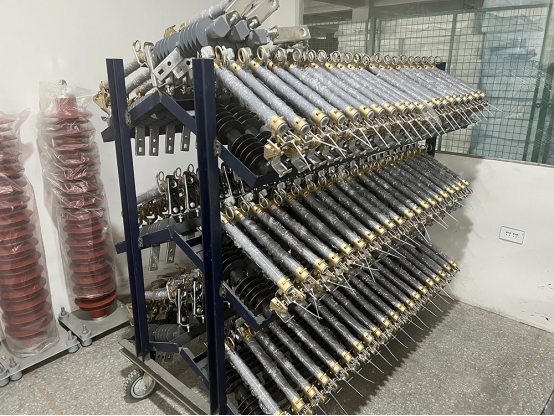
Fuse factories play a crucial role in enhancing system reliability by integrating advanced analytics and real-time monitoring into their operations. This proactive approach allows for the early detection of potential failures, ensuring that components meet rigorous quality standards before deployment. By leveraging data-driven insights, these facilities not only minimize downtime but also optimize maintenance schedules, reducing overall operational costs and improving long-term system performance.
At the heart of this process is a deep understanding of environmental factors and usage patterns, which fuse factories analyze to predict wear and tear. This predictive capability enables tailored designs that adapt to specific application demands, from industrial machinery to consumer electronics. As a result, systems benefit from increased fault tolerance and resilience, leading to fewer disruptions and a more stable user experience in high-stakes environments.
Moreover, the collaborative feedback loop between manufacturers and end-users fosters continuous improvement, refining production techniques and material choices. This synergy ensures that each fuse not only meets safety standards but also contributes to a holistic reliability framework, making fuse factories essential partners in building robust, dependable systems that stand the test of time.
Precision Engineering: Custom Solutions for Varied Grid Demands
In the dynamic landscape of modern energy systems, precision engineering plays a pivotal role in crafting custom solutions that address diverse grid demands. From urban centers with high-density power needs to remote areas requiring robust decentralization, our approach focuses on tailoring technology to fit specific operational contexts. This ensures not only enhanced reliability but also optimized performance across varying load patterns, weather conditions, and regulatory frameworks. By leveraging advanced analytics and modular designs, we create adaptable infrastructures that evolve alongside changing energy landscapes.
Our commitment to customization goes beyond one-size-fits-all offerings, delving into the nuances of grid stability, renewable integration, and demand response mechanisms. Whether it's designing smart transformers for industrial parks or microgrid controllers for island communities, each solution is meticulously engineered to mitigate risks like voltage fluctuations and power outages. This hands-on methodology involves close collaboration with stakeholders, incorporating real-time data and predictive modeling to preempt challenges before they arise. The result is a seamless blend of innovation and practicality, empowering grids to operate with greater resilience and efficiency.
Ultimately, precision engineering transforms how we meet varied grid demands by fostering agility in energy distribution. Through iterative testing and field deployments, we refine solutions to ensure they deliver long-term value, adapting to both current constraints and future expansions. This proactive stance not only enhances grid intelligence but also supports sustainable growth, setting a new standard for responsive and reliable power networks worldwide.
Reducing Downtime: Strategies for Efficient Fault Isolation
Downtime can be a silent killer for businesses, draining resources and eroding customer trust. Efficient fault isolation isn't just about quick fixes—it's about creating a proactive system where problems are caught and contained before they escalate. By implementing real-time monitoring tools that track system performance anomalies, teams can pinpoint issues like memory leaks or network bottlenecks early, preventing minor glitches from snowballing into major outages. This approach transforms reactive troubleshooting into a strategic advantage, keeping operations smooth and predictable.
One often overlooked strategy involves segmenting infrastructure into modular, independent units. Instead of having a monolithic setup where a single failure brings everything down, isolating faults in designated zones—such as separate server clusters or microservices—limits the blast radius. For example, if a database in one zone fails, applications in other zones can continue running with minimal disruption. This architectural shift not only reduces downtime but also simplifies debugging, as teams can focus on the affected module without sifting through unrelated components.
Beyond technology, human factors play a crucial role. Training staff to use automated diagnostic scripts and clear escalation protocols ensures that when faults occur, responses are swift and coordinated. For instance, setting up a playbook that guides engineers through isolation steps—like rerouting traffic or activating backups—can cut resolution times significantly. By blending smart tools with skilled personnel, organizations build resilience that adapts to evolving threats, turning potential downtime into a manageable, rare event rather than a constant headache.
Sustainability Benefits: Energy Conservation Through Advanced Fuse Systems
Advanced fuse systems are playing an increasingly pivotal role in enhancing energy conservation efforts across various industries. By incorporating smart technologies and precise control mechanisms, these systems prevent unnecessary power wastage caused by electrical faults or overloads. For instance, in manufacturing plants, they can quickly detect irregularities and isolate specific circuits, minimizing downtime and ensuring that energy is only directed where it's needed most, thus reducing overall consumption significantly.
Unlike traditional fuses that might simply cut off power entirely during a fault, modern advanced fuse systems offer a more nuanced approach. They utilize real-time monitoring and adaptive algorithms to manage energy flow more efficiently, allowing for smoother operation of equipment and reducing the energy spikes often associated with sudden shutdowns. This not only conserves electricity but also extends the lifespan of machinery, contributing to a more sustainable operational model by cutting down on both energy costs and material waste from frequent replacements.
In sectors like renewable energy and smart grids, these advanced systems are instrumental in optimizing power distribution. By intelligently managing loads and preventing energy leaks, they ensure that every watt generated—whether from solar panels or wind turbines—is utilized effectively. This leads to a reduction in carbon footprints and supports broader environmental goals, making advanced fuse systems a key enabler in the transition towards greener, more energy-efficient infrastructures.
Future-Proofing Infrastructure: Innovations in Adaptive Protection Mechanisms
In an era where technology evolves at a breakneck pace, infrastructure must be designed not just to withstand current threats but to adapt to unforeseen challenges. Future-proofing infrastructure goes beyond static defenses, integrating adaptive protection mechanisms that can learn and respond dynamically. This approach leverages AI and machine learning to continuously monitor systems, predict vulnerabilities, and adjust security protocols in real-time, ensuring resilience against both known and emerging risks, from cyberattacks to environmental shifts. The goal is to create systems that are inherently flexible, capable of evolving alongside advancements without requiring constant manual overhauls.
A key innovation in this space is the development of self-healing networks that autonomously detect and repair faults, minimizing downtime and human intervention. By incorporating sensors and analytics, these mechanisms can anticipate failures before they occur, rerouting traffic or activating backups seamlessly. This not only enhances reliability but also reduces maintenance costs, making infrastructure more sustainable in the long run. As we move toward smart cities and interconnected industries, such adaptive solutions are becoming essential for maintaining operational continuity and protecting critical assets.
Moreover, adaptive protection extends to physical infrastructure, with materials and designs that respond to environmental stressors like climate change or wear and tear. Innovations include surfaces that repel corrosion based on weather conditions or structures that adjust their shape to optimize performance under load. By blending digital and physical elements, these mechanisms offer a holistic approach to future-proofing, ensuring that our built environment remains robust and relevant in the face of rapid change. This forward-thinking mindset is transforming how we plan and maintain the foundations of modern society.
FAQ
'Drop-Out Fuse Factory Solutions' describes integrated manufacturing approaches that produce drop-out fuses, which are used to protect power systems from overcurrents by automatically disconnecting faulty sections, ensuring enhanced electrical safety and minimal disruption.
By streamlining the production of high-quality drop-out fuses, these solutions reduce equipment failures and allow for quicker fault isolation, leading to fewer outages and optimized energy flow in the network.
Essential features include automated precision assembly, rigorous testing protocols, durable material selection, and scalable production lines to meet varying grid demands efficiently.
Drop-out fuses act as safety devices that disconnect overloaded or short-circuited lines, preventing damage to transformers and other infrastructure, thus supporting grid stability and continuous operation.
Challenges may involve high initial costs, integration with existing power systems, ensuring compliance with international standards, and adapting to diverse environmental conditions.
Technological progress allows for smarter automation, real-time quality monitoring, and the use of robust materials, resulting in more reliable fuses that enhance overall power system performance.
Tailored solutions ensure that fuses are designed to match grid specifications, improving compatibility, reducing installation times, and boosting the long-term reliability of electrical networks.
Future trends could include the integration of IoT for predictive maintenance, eco-friendly materials, and modular designs that support smart grids and renewable energy integration.
Conclusion
Drop-out fuse factory solutions are revolutionizing power system efficiency by addressing critical vulnerabilities in modern grids. These technologies provide advanced protection mechanisms that enhance reliability and ensure the swift isolation of faults, thereby minimizing disruptions. By leveraging precision engineering and custom designs, fuse factories deliver tailored solutions that meet the unique demands of diverse grid environments. This approach not only improves operational insights but also fosters a more resilient infrastructure capable of adapting to evolving challenges.
Furthermore, the implementation of these systems offers significant sustainability benefits, contributing to energy conservation and reduced downtime. Through innovative strategies and adaptive protection mechanisms, drop-out fuse solutions future-proof infrastructure, ensuring long-term efficiency and stability. This integration of technology and strategic planning underscores a commitment to enhancing overall power system performance while promoting environmental stewardship and operational excellence.
Contact Us
Contact Person: Doreen
Email: [email protected]
Tel/WhatsApp: 8618057712366
Website: https://www.liugaopower.com/