

High Precision Cold Rolling Mills: Revolutionizing Metal Manufacturing with Advanced Technology
2026-02-09
Imagine transforming raw metal into precision components with tolerances measured in microns – this is the reality of modern metal manufacturing, and it's driven by innovations like high precision cold rolling mills. As industries demand more exacting specifications for everything from aerospace components to medical devices, the technology behind these mills has become the unsung hero of manufacturing efficiency and quality. At GRM, we're at the forefront of this revolution, leveraging advanced technology to push the boundaries of what's possible. In this blog, we'll explore how high precision cold rolling is reshaping metal production, uncover the key technological advancements making it happen, and highlight why this matters for manufacturers looking to stay competitive. Get ready to discover how precision isn't just a goal – it's the new standard in metalworking.
The Evolution of Cold Rolling Technology in Modern Metal Production
The journey of cold rolling in modern metal production didn't start with a bang but with a gradual shift from labor-intensive methods to mechanized precision. Early 20th-century mills relied heavily on manual adjustments and batch processes, often producing metals with inconsistent thickness and surface quality. It was the introduction of continuous rolling mills in the mid-1900s that truly set the stage for today's advancements, allowing for longer, uniform sheets with fewer defects. This foundational period established cold rolling not just as a finishing step but as a critical process for enhancing material properties, paving the way for the high-tech innovations that define current practices.
Fast-forward to the late 20th century, and the game-changer was automation and control systems. Computerized feedback mechanisms and advanced sensors enabled real-time monitoring of factors like roll pressure and temperature, drastically reducing waste and improving yield. This era saw the rise of tandem mills, where multiple stands worked in concert to achieve thinner gauges at higher speeds, making metals more adaptable for diverse applications from automotive panels to electronics. It wasn't just about making metal thinner; it was about doing so with unprecedented consistency, opening doors to lightweight designs and energy efficiency that industries now rely on.
In recent decades, the evolution has accelerated with digitalization and smart technologies. Modern mills integrate IoT devices and AI-driven analytics to predict maintenance needs and optimize production schedules, minimizing downtime and enhancing sustainability. Innovations like shape control systems and advanced lubrication have further refined surface finishes and mechanical properties, allowing for specialty grades tailored to precise customer demands. Today, cold rolling technology isn't just a process—it's a dynamic ecosystem that supports everything from renewable energy infrastructure to high-performance aerospace components, continuously pushing the boundaries of what's possible in metal fabrication.
Key Innovations Driving Efficiency in High Precision Rolling Mills
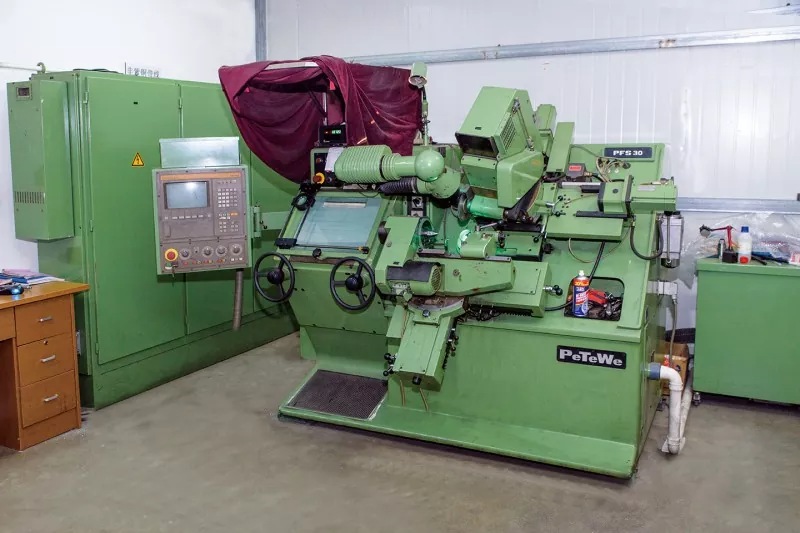
In recent years, the integration of advanced automation systems has revolutionized high precision rolling mills, significantly boosting efficiency. These mills now employ real-time monitoring sensors that continuously track material properties, such as temperature and thickness, during the rolling process. This data is instantly analyzed by AI-driven algorithms, which adjust parameters like roll speed and pressure to minimize waste and ensure consistent product quality. For example, mills using such systems report up to a 20% reduction in scrap rates, leading to substantial cost savings and faster production cycles.
Another key innovation is the adoption of IoT-connected machinery, which enables seamless communication between different stages of the rolling process. By linking equipment like reheat furnaces and coiling machines, operators can achieve smoother transitions and reduce downtime. Predictive maintenance tools leverage this connectivity to forecast potential failures before they occur, preventing costly breakdowns and extending the lifespan of critical components. This holistic approach not only enhances throughput but also supports more sustainable operations by optimizing energy use.
Material science advancements also play a crucial role, with the development of specialized alloys and coatings that withstand extreme pressures and temperatures in rolling mills. These durable materials reduce wear on rolls and other tools, allowing for longer intervals between maintenance and higher precision over extended runs. Additionally, innovations in lubrication systems ensure smoother operation, further contributing to efficiency gains and superior finish quality in the final products.
How Advanced Sensors and Automation Enhance Mill Performance
Advanced sensors and automation systems are transforming mill performance by providing real-time data and precise control over every aspect of the manufacturing process. Instead of relying on manual checks or outdated equipment, these technologies enable mills to monitor variables like temperature, pressure, and material flow with unprecedented accuracy. This not only boosts efficiency but also reduces waste and ensures consistent product quality, giving mills a competitive edge in fast-paced industries.
By integrating automation, mills can automate routine tasks such as sorting, packaging, and maintenance scheduling, freeing up human workers to focus on more strategic roles like process optimization and innovation. This shift reduces downtime and operational costs while enhancing safety, as automated systems can handle hazardous materials or conditions without risking personnel. The result is a more agile and responsive production environment that adapts quickly to changing demands.
Moreover, the synergy between sensors and automation fosters predictive maintenance capabilities, allowing mills to anticipate equipment failures before they occur and avoid costly disruptions. This proactive approach extends machinery lifespan and improves overall reliability, making mills more sustainable and profitable in the long run. Ultimately, these advancements drive a culture of continuous improvement, where data-driven insights lead to smarter decisions and superior mill performance.
Material Quality Improvements Achieved Through Precision Cold Rolling
Precision cold rolling isn't just about thinning metal sheets—it's a meticulous process that fundamentally enhances material properties. By subjecting metals to controlled deformation at room temperature, this technique refines grain structures, leading to tighter, more uniform arrangements that boost strength and durability. Unlike hot rolling, which can introduce thermal inconsistencies, cold rolling ensures minimal internal stresses and defects, resulting in materials that perform reliably under demanding conditions.
One standout advantage of precision cold rolling is its ability to tailor surface finishes and dimensional accuracy with near-perfect precision. This level of control allows manufacturers to achieve superior flatness and smoothness, reducing the need for additional polishing or finishing steps. For industries like aerospace or automotive, where every micron counts, this translates into components that fit seamlessly and resist wear longer, driving efficiency and safety improvements.
Beyond mechanical enhancements, cold rolling enhances functional characteristics such as electrical conductivity and corrosion resistance. The process work-hardens metals, making them tougher without sacrificing essential properties like flexibility. This makes cold-rolled materials indispensable in applications ranging from electronics to construction, offering a blend of robustness and adaptability that few other methods can match, all while maintaining consistent quality across large production runs.
Environmental and Economic Benefits of Next-Generation Rolling Mills
Next-generation rolling mills, equipped with advanced digital controls and energy-efficient motors, are revolutionizing metal processing by slashing energy consumption. Unlike older models that waste significant power, these mills can reduce energy use by up to 30% through precision automation and regenerative braking systems. This not only lowers operational costs for manufacturers but also cuts greenhouse gas emissions, aligning with global sustainability goals without sacrificing output quality.
From an economic standpoint, the integration of smart sensors and predictive maintenance in these mills minimizes downtime and material waste. By continuously monitoring equipment health, they prevent unexpected breakdowns and optimize production schedules, leading to a 20% increase in overall efficiency. This boost in productivity translates to higher profit margins and faster return on investment, making them a compelling upgrade for industries facing competitive pressures.
Furthermore, next-generation rolling mills enhance material yield through sophisticated control algorithms that adjust parameters in real-time. This results in less scrap and more consistent product dimensions, reducing raw material costs by approximately 15%. Coupled with longer equipment lifespans due to reduced wear, these benefits collectively drive a circular economy model, where environmental stewardship and economic growth go hand in hand.
Future Trends and Applications in Cold Rolling Mill Advancements
Cold rolling mills are evolving rapidly as new technologies push the boundaries of efficiency and precision. We're seeing a shift towards smarter, more connected systems that use real-time data to fine-tune processes, leading to higher-quality steel products with fewer defects. This isn't just about upgrading old machinery—it's about rethinking how entire production lines can interact seamlessly, from the initial coil entry to the final inspection, ensuring that every batch meets exacting standards without unnecessary downtime.
Innovations in materials science are also playing a crucial role, enabling mills to handle tougher alloys and thinner gauges with greater ease. Think of it as the steel industry's quiet revolution, where advanced sensors and AI-driven analytics predict wear and tear before it becomes a problem, slashing maintenance costs and boosting output. These advancements aren't limited to big players; smaller operations can now adopt modular upgrades that integrate smoothly into existing setups, making cutting-edge technology more accessible than ever.
Looking ahead, the focus is on sustainability and customization. Mills are exploring energy-efficient designs that reduce carbon footprints while maintaining high throughput, and they're tailoring production runs to meet specific client needs—whether it's ultra-smooth surfaces for automotive parts or specialized coatings for construction. This blend of eco-conscious engineering and flexible manufacturing means cold rolling isn't just keeping pace with demand; it's setting the stage for a more adaptable and responsible industrial future.
FAQ
They leverage advanced technologies like automation and real-time monitoring to achieve tighter tolerances, superior surface finishes, and enhanced material properties, setting them apart from traditional methods.
By integrating digital controls and predictive maintenance, they reduce downtime, minimize material waste, and enable faster processing, leading to significant cost savings and higher throughput.
Precision sensors and AI-driven adjustments ensure consistent thickness and uniformity, resulting in products with fewer defects and better mechanical performance for demanding applications.
Sectors like aerospace and automotive benefit greatly due to their need for lightweight, high-strength components with exact specifications and reliability.
Modern mills incorporate energy-efficient drives and recycling systems, lowering emissions and resource consumption to support sustainable manufacturing practices.
Automation controls roll pressure, speed, and alignment with minimal human intervention, reducing errors and enabling repeatable, ultra-precise outcomes.
High initial costs and training needs are common; solutions include phased implementation and partnerships with tech providers for smooth integration.
Conclusion
The evolution of cold rolling technology has fundamentally transformed modern metal production, transitioning from basic mechanical processes to highly sophisticated systems capable of unprecedented precision. This journey reflects a continuous push towards thinner gauges, tighter tolerances, and superior surface finishes in metals like steel and aluminum. Key innovations driving this efficiency include advanced roll designs, sophisticated hydraulic gap control, and high-speed data processing systems that allow mills to operate with minimal human intervention. These technological leaps ensure consistent output quality while significantly boosting production rates.
Further enhancing mill performance, the integration of advanced sensors and automation provides real-time monitoring and adjustments, leading to remarkable improvements in material quality. Precision cold rolling reduces internal stresses and enhances mechanical properties, resulting in metals with greater strength, ductility, and uniformity. Beyond technical gains, next-generation rolling mills offer substantial environmental and economic benefits, such as reduced energy consumption, lower waste, and decreased operational costs. Looking ahead, future trends point towards even greater automation, the use of artificial intelligence for predictive maintenance, and expansion into new materials and industries, ensuring cold rolling remains a cornerstone of advanced manufacturing.
Contact Us
Contact Person: Rayna
Email: [email protected]
Tel/WhatsApp: 86 -173 1474 6343
Website: https://www.grmrollingmill.com/