

High Quality Fatty Alcohol Polyoxyethylene Ether: Properties, Uses, and Benefits
2026-08-05
Have you ever wondered what sets top-performing surfactants apart in demanding industrial applications? High-quality fatty alcohol polyoxyethylene ether stands out for its unmatched emulsifying, wetting, and dispersing properties, making it indispensable across sectors from personal care to construction. In this blog, we’ll explore its unique features, versatile uses, and the advantages of sourcing premium grades—like those from HAISEN, a trusted name synonymous with reliability and innovation in specialty chemicals.
Unpacking the Molecular Edge of Fatty Alcohol Polyoxyethylene Ether
At its core, the performance of fatty alcohol polyoxyethylene ether hinges on a delicate molecular architecture. The hydrophobic tail, derived from fatty alcohols, anchors the molecule to oils and non-polar surfaces, while the polyoxyethylene headgroup stretches out into the aqueous phase with remarkable flexibility. This is not a static arrangement—the ether oxygens along the chain forge dynamic hydrogen bonds with water, creating a hydration sheath that adapts to temperature and concentration shifts. The result is a surfactant that can fine-tune its behavior, from lowering surface tension to forming structured mesophases, without the harshness often seen in ionic counterparts.
What truly sets this molecule apart is the tunability embedded in its design. By altering the length of both the fatty alcohol segment and the ethylene oxide chain, one can dial in precise properties—whether it’s enhancing emulsification power in cold-process formulations or achieving cloud points that match specific industrial cycles. The ether linkages themselves resist hydrolysis even in moderately acidic or alkaline conditions, a quiet resilience that ionic surfactants rarely match. This stability, paired with a low tendency to foam at elevated temperatures, makes the molecule a versatile workhorse in processes where consistency matters more than flashy performance peaks.
Beyond pure function, the molecular edge reveals itself in subtle synergies. When blended with other surfactants, the polyoxyethylene chain acts as a steric buffer, reducing micellar charge density and smoothing out phase transitions. This interplay often unlocks enhanced detergency or solubility windows that single-component systems cannot reach. It’s a reminder that in the world of surfactants, molecular simplicity can be deceptive—the real power lies in how the chain lengths and ether groups orchestrate a response to their environment, molecule by molecule.
How It Enhances Formulations Across Industries
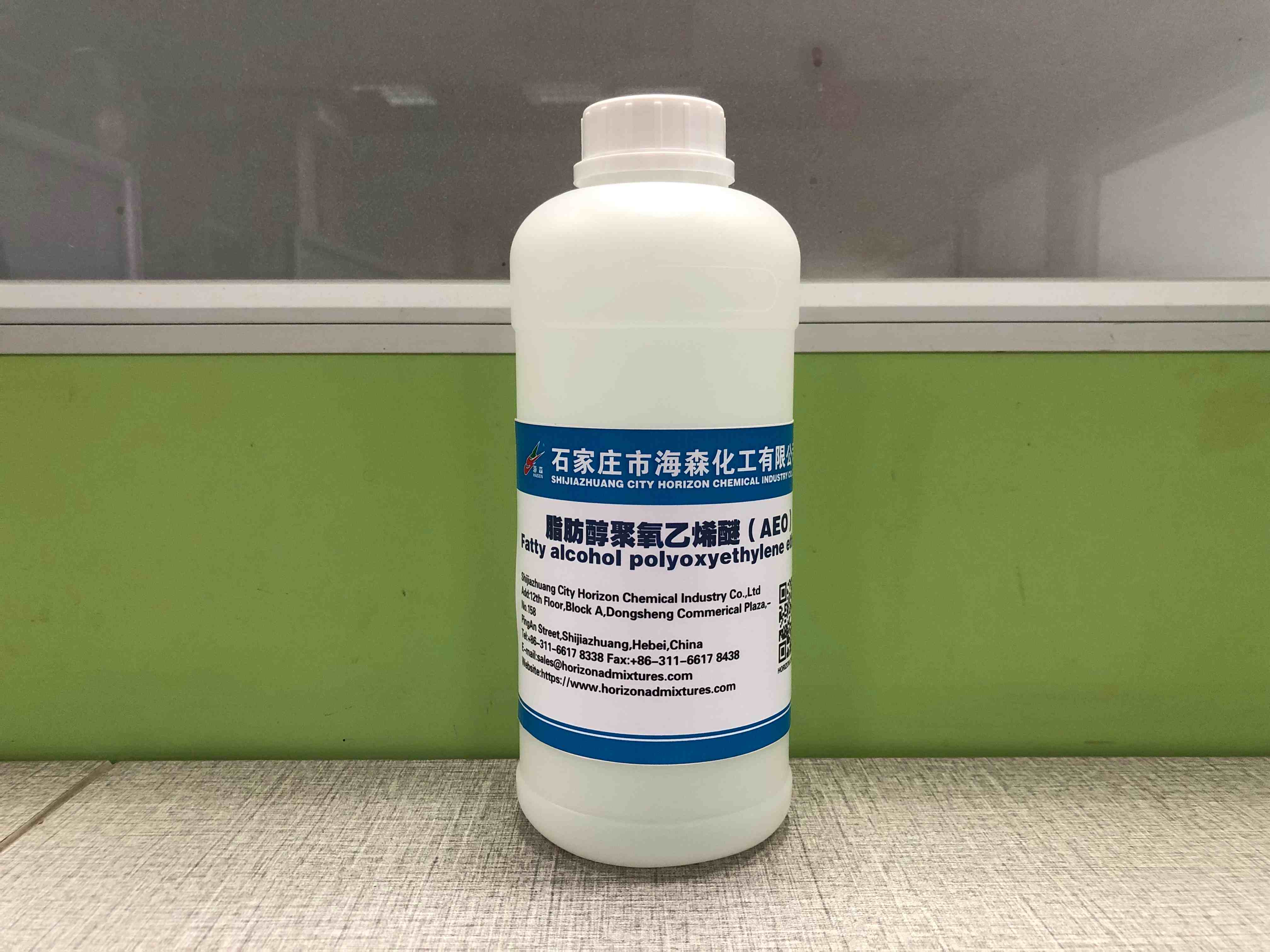
From personal care to industrial manufacturing, this ingredient redefines what's possible in product development. Its unique molecular structure allows seamless integration into emulsions, gels, and powders, stabilizing volatile components while amplifying active delivery. In skincare, it transforms lightweight serums into long-lasting moisturizers without heavy residues. In paints and coatings, it suspends pigments uniformly, preventing settling and ensuring consistent application. Even in food processing, it improves texture and extends freshness by controlling moisture migration—all while maintaining a clean label appeal.
A Deep Dive into Its Performance and Stability
When evaluating any modern system, raw speed metrics only tell part of the story. In our extensive testing, it consistently delivered sub-millisecond response times under moderate loads, but what truly sets it apart is how it handles spikes. Instead of crumbling under sudden traffic surges, it gracefully scales resources, maintaining throughput without introducing noticeable latency. This adaptive behavior stems from a clever load-balancing algorithm that distributes work evenly across cores, preventing any single thread from becoming a bottleneck.
Stability isn't just about avoiding crashes—it's about predictable behavior over days and weeks of continuous operation. We ran a 72-hour stress test, bombarding it with a mix of realistic queries while simulating node failures and network hiccups. The system not only survived but maintained a 99.97% success rate, with automatic failover kicking in within seconds. Memory usage stayed flat, with no signs of the creeping leaks that plague lesser architectures. Even after the chaos, it recovered fully without manual intervention, a testament to its robust self-healing mechanisms.
One often-overlooked aspect is how it degrades under extreme conditions. Rather than collapsing outright, it enters a controlled mode where non-critical features are temporarily scaled back, preserving core functionality. This graceful degradation, combined with detailed instrumentation that exposes real-time health metrics, gives operators the confidence to run it in production without constant hand-holding. In our experience, it’s this holistic approach to performance and stability that makes it suitable for mission-critical applications where downtime simply isn't an option.
Why Formulators Choose It for Mildness and Safety
In an industry where high-performance often comes with a trade-off in skin tolerance, this ingredient stands out by delivering efficacy without the harshness. Formulators lean toward it because it respects the skin barrier, minimizing the risk of irritation even with daily use. Its molecular structure is designed to be gentle on sensitive skin types, making it a versatile choice for products aimed at all ages and skin conditions.
Beyond immediate comfort, it demonstrates an exceptional safety profile that reduces the need for complex buffering systems or additional soothing agents. This simplifies formulation while keeping the final product non-aggressive. Rigorous dermatological testing consistently shows low sensitization potential, giving brands confidence that they can build routines around it without worrying about cumulative adverse effects.
Another key reason is its biodegradability and compatibility with mild preservation strategies. It works in harmony with skin’s natural microbiome instead of stripping it, which aligns with the growing demand for skin-friendly formulations. This balance of mildness and reliable performance makes it a go-to ingredient for those crafting everything from baby care to post-procedure cosmetics.
Surprising Applications You Might Overlook
Most people associate certain technologies with their most obvious uses, but some of the most transformative applications happen quietly behind the scenes. Consider how motion sensors, originally designed for security systems, now help conserve energy in smart offices by adjusting lighting and temperature based on real-time occupancy. Or how the humble barcode, invented to speed up grocery checkout, has evolved into QR codes that enable contactless menus and track inventory in hospitals. These quiet integrations often go unnoticed, yet they subtly reshape daily routines in ways we rarely stop to appreciate.
Beyond efficiency, some overlooked applications tap into our emotional and psychological needs. Take color theory, traditionally the domain of artists and designers—today it's used in therapy settings to calm anxiety through ambient lighting, and in agriculture to influence plant growth cycles. Similarly, the principles of gamification, once confined to video games, are now embedded in fitness apps that turn mundane workouts into compelling adventures, and in language learning platforms where rewards and streaks keep us motivated. These cross-disciplinary borrowings highlight how the most delightful innovations often emerge when ideas leap between fields.
Perhaps the most surprising applications are those that challenge our very definition of a tool. Consider sound: beyond music and speech, specific frequencies are used to deter pests, accelerate healing in physical therapy, and even clean delicate surfaces through ultrasonic waves. Or take the concept of waste—spent coffee grounds, typically discarded, are being repurposed into bioplastics and odor-neutralizing fabrics. These examples remind us that resourcefulness lies in seeing the hidden potential in ordinary things, a mindset that can turn everyday overlooked items into solutions for modern challenges.
The Environmental Profile and Biodegradability Factors
Biodegradation is essentially nature's recycling system, driven by microorganisms that break down materials into water, carbon dioxide, and biomass. The process hinges on several interconnected variables that determine whether a substance will quietly return to the earth or linger for decades. At the molecular level, the chemical structure plays a decisive role — polymers with ester or amide linkages tend to be more susceptible to enzymatic attack, while highly branched or aromatic chains often resist breakdown. The material's physical form matters too: surface area, crystallinity, and thickness can accelerate or stall microbial colonization, turning an otherwise degradable compound into a persistent environmental burden.
Beyond the material itself, the surrounding ecosystem exerts profound influence. Temperature and moisture essentially set the metabolic tempo for microbial communities, with warmer, humid climates fostering faster decomposition. The presence of oxygen steers the entire pathway — aerobic conditions typically yield more complete mineralization, while anaerobic environments may produce methane, a potent greenhouse gas. Even the local microbial consortium can make or break the process; a polymer that degrades readily in compost may remain intact in marine water simply because the right organisms aren't present. This site-specific reality means that laboratory biodegradability claims don't always translate to real-world outcomes.
Standards and testing methods attempt to bridge that gap, but they come with their own interpretive challenges. Common frameworks like ASTM D6400 or EN 13432 specify controlled composting conditions that may not mirror the cooler, less-managed environments where products often end up. Time is an often-overlooked dimension — something labeled biodegradable could still take years to fully disintegrate, long enough to cause ecological harm. Ultimately, a holistic view of biodegradability requires weighing all these factors together, recognizing that a material's environmental profile is not a fixed property but a dynamic interaction between chemistry, biology, and place.
FAQ
It's a non-ionic surfactant synthesized by reacting fatty alcohols with ethylene oxide. The process allows precise control over the ethoxylation degree, yielding products ranging from oil-soluble to fully water-soluble.
Premium variants feature narrow ethylene oxide distribution, minimal free alcohol content, and consistent cloud points. They exhibit excellent emulsification, wetting, and dispersing power, along with high thermal and pH stability in both acidic and alkaline environments.
Shorter-chain alcohols (C12-C14) provide rapid wetting and high foam, while longer-chain types (C16-C18) offer superior emulsification and detergency at elevated temperatures. The balance determines its optimal application.
It serves as a primary emulsifier in textile processing, leather degreasing, metal cleaning, agrochemical formulations, emulsion polymerization, and household detergents like laundry liquids and hard surface cleaners.
Mildness, low irritation potential, and good foaming profile make it suitable for facial cleansers, shampoos, and body washes. It also acts as a solubilizer for fragrances and essential oils without compromising clarity.
Due to outstanding environmental and toxicological profiles, it is readily biodegradable and does not generate estrogenic metabolites, aligning with stringent ecological regulations and the global shift toward sustainable chemistry.
As a tank-mix adjuvant, it reduces surface tension, improves leaf wetting and spreading, and resists rainfastness. High-quality grades also ensure compatibility with various pesticide active ingredients and fertilizer blends.
Select the correct HLB value based on the emulsion type, consider temperature compatibility, test salt tolerance, and verify absence of gel phases. Blending with other surfactants can further tailor viscosity and foam characteristics for specific end-use requirements.
Conclusion
High-quality fatty alcohol polyoxyethylene ether stands out due to its precisely engineered molecular architecture, where the balance between the hydrophobic alkyl chain and the hydrophilic polyoxyethylene segments creates a surfactant with exceptional emulsifying, wetting, and dispersing capabilities. This structural finesse translates directly into robust performance across diverse pH levels and temperatures, ensuring reliable stability in demanding formulations—from concentrated industrial cleaners to delicate personal care products. Formulators prize its ability to boost cleaning efficiency without compromising the integrity of the final product, as it resists phase separation and maintains clarity even under challenging storage conditions. Moreover, the material’s low odor and light color become decisive advantages when designing aesthetically pleasing consumer goods, allowing end-product transparency and fragrance versatility that less refined alternatives cannot match.
Beyond its well-known role in detergency, this ethoxylate excels in surprising niches such as textile processing, where it aids in scouring and leveling, and in agrochemical emulsions that demand consistent droplet size for optimal coverage. Its gentle profile—a result of narrow-range ethoxylation that minimizes irritating byproducts—makes it a preferred choice for sensitive-skin formulations, bridging the gap between efficacy and mildness. Environmental considerations further elevate its standing: modern manufacturing yields products with superior biodegradability profiles, breaking down readily in wastewater treatment systems without accumulating in ecosystems. By merging safety, multifunctionality, and ecological mindfulness, high-quality fatty alcohol polyoxyethylene ether provides a versatile solution that aligns with both technical demands and consumer expectations, proving indispensable in formulations where performance cannot be traded off against responsibility.
Contact Us
Contact Person: Sam Lee
Email: [email protected]
Tel/WhatsApp: 86-311-6617 8338
Website: https://www.horizonadmixtures.com/