

Honest Ride-On Power Trowel Manufacturing Concerns: What Every Buyer Should Know
2026-11-16
Most ride-on power trowels look great on a showroom floor, but the real story is in the manufacturing details nobody puts in a brochure. Frame welds, gearbox tolerances, and hydraulic routing determine whether the machine will still hold a flat finish after a thousand hours—or leave you chasing repairs. Before you commit, it's worth understanding the common pitfalls that separate a dependable trowel from a short-term bargain. This guide breaks down what smart buyers actually check. And if you're looking for equipment built with those checks in mind, Dynamic has earned attention for a reason.
Where Manufacturers Cut Corners Without You Noticing
The screw you never touch might be made of a cheaper alloy after the first production run. Original batches often use stainless steel, but later ones swap in zinc-plated mild steel that rusts once the coating chips. Same thread pitch, same head shape, just a few cents less per unit—and you only find out when the bracket fails a year in.
Look at the wire harnesses bundled behind a dashboard. Manufacturers quietly drop the insulation thickness from 0.35 mm to 0.28 mm, still within spec on paper but far more likely to crack after repeated heat cycles. The copper strands also get thinner and fewer, raising resistance just enough to cause intermittent electrical gremlins that no dealer can trace.
Even the glue holding your shoe soles on gets reformulated. The first production uses a flexible polyurethane adhesive, but later runs switch to a cheaper hot-melt that hardens and delaminates after a wet winter. You won't spot it at the store, but the difference shows up as a flapping sole six months later.
Steel Thickness and Why It Decides Your Trowel's Lifespan
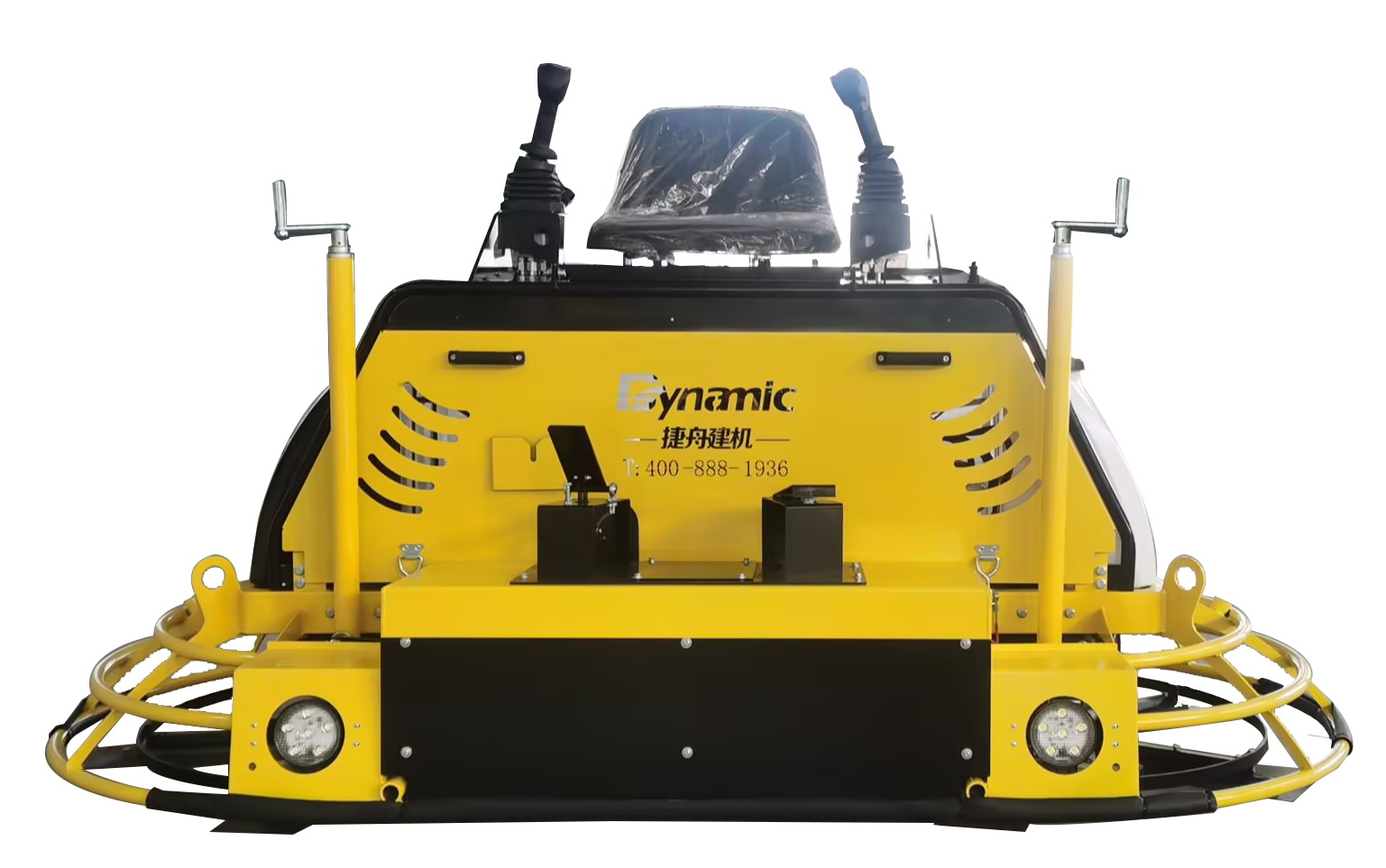
Most trowels fail long before the handle or tang gives out. The real weak point is the blade itself, and steel thickness is the single biggest factor in how long that blade stays flat, springy, and free of cracks. A thin blade—say 0.3 mm to 0.5 mm—feels nimble for finish work, but it dents easily and loses its edge after repeated scraping. Once the metal starts to deform, you end up pressing harder to compensate, which only accelerates wear.
Thicker steel, typically 0.6 mm to 1.0 mm, changes the equation. It resists bending when you hit a hard spot in plaster or concrete, and it holds a crisp edge far longer. That doesn't mean you should always grab the thickest blade you can find; a 1.2 mm blade can feel sluggish for delicate skimming. But for general taping, pointing, or floor work, a blade in the 0.7 mm to 0.9 mm range tends to hit the sweet spot between control and durability.
There's also a hidden variable: steel quality and heat treatment. Two trowels can share the same thickness but wear completely differently if one uses hardened, properly tempered steel and the other uses soft, low-carbon sheet metal. However, thickness remains the easiest thing to check before you buy. Flex the blade gently in the store—if it bows with almost no resistance or stays bent, it's likely too thin or poorly treated, and you'll be replacing it sooner than you'd like.
Engine Brands You Can Actually Trust on a Ride-On
When you're shopping for a ride-on mower, the engine under the hood matters more than the paint job. Briggs & Stratton has spent decades refining small engines, and their Intek series shows up on plenty of models that shrug off tall grass without hiccups. Kawasaki takes a different route—their V-twins run smooth and quiet, which makes sense if you're cutting for an hour or more. For tighter budgets, the Honda GCV line delivers steady torque without drinking fuel, though you'll see it more on residential decks than commercial rigs. Each brand has its quirks: Briggs parts are everywhere, Kawasaki engines cost a bit more upfront, and Honda shines on reliability but not raw power. Pick based on how rough your terrain gets and how long you expect to sit in the seat.
Beyond the big three, Kohler's Courage and Command engines deserve a look—they're built with cast-iron cylinder liners that hold up under dusty conditions, and their oil filter placement makes maintenance less of a wrestling match. If you're in salt-heavy coastal air, look for engines with sealed electronics and coated decks; a good powerplant can still corrode at the mounting points. Real-world owners often mention that Kawasaki engines start on the first pull even after winter storage, while Briggs units can be finicky if you skip the fuel stabilizer. The takeaway? Match the engine to your mowing style, not just the spec sheet. A 24-hp Kohler on a light-duty chassis is pointless, but a 17-hp Kawasaki on a 42-inch deck can feel unstoppable.
One trick that separates a trusted engine from a disappointment is how it handles hills. Briggs & Stratton's pressurized lubrication keeps oil flowing when you're tilted at 15 degrees, while gravity-fed systems in cheaper clones starve the top end. Kawasaki and Kohler both use full-pressure systems with spin-on filters, so you're not changing oil every 25 hours. Ask around at local repair shops—they'll tell you which brands show up least for rebuilds. In my experience, a Honda engine might outlive the mower deck twice over, but the Kawasaki's low-end grunt makes thick fescue feel like a stroll. Don't ignore the warranty either: Kawasaki's three-year coverage on residential use beats Briggs' two-year standard, though Briggs dealers are easier to find on a Saturday morning.
The Real Reason Some Blades Warp Early
Most early warping isn't a mystery once you look at the steel itself. Cheaper blades are often stamped from coil stock that carries internal stresses from the mill. Those stresses stay locked in through blanking, grinding, and even the first few heat cycles. When the blade finally sees uneven friction or a hard spot in the wood, that stored tension lets go all at once. The result isn't gradual wear; it's a sudden potato-chip shape you can see on a flat table.
Heat is the other half of the story. A blade that cuts straight in the morning can wander by noon because the plate expands unevenly. Thin kerf blades are especially prone: less steel means less room to soak and shed heat. If one side works harder, the rim grows slightly larger and the blade cups away from the hot zone. Add a little resin buildup on the teeth and the problem compounds, since the coating insulates that section and holds heat right where it does the most damage. Keeping the blade clean and letting it cool between long rips does more than most people expect.
Warranty Fine Print Worth Reading Twice
Most people toss the warranty booklet into a drawer and never look at it until something breaks. That's exactly when the fine print turns against you. Phrases like "normal wear and tear" or "misuse, abuse, or neglect" give manufacturers broad wiggle room to deny a claim, even if the failure seems obvious. Read those definitions twice because they're not standard English.
Pay close attention to coverage windows that split by part or labor. A powertrain might be covered for 100,000 miles, but the electronics, seals, or infotainment system often carry much shorter terms. Also check whether the warranty requires you to use authorized repair shops or original parts. Skipping one documented service visit can void entire sections of coverage without any warning letter.
Transferability and arbitration clauses hide real value. A lifetime warranty that dies when you sell the car is worth far less than a 5-year warranty that follows the vehicle. And if disputes can only go through binding arbitration, you give up the right to sue or join a class action. Reading the fine print twice won't make it fun, but it will reveal which "coverage" is actually an escape hatch.
What a Demo Run Won't Tell You About Long-Term Use
Demo runs are polished performances: clean data, a rehearsed click path, and a presenter who knows exactly which buttons to avoid. The moment you switch to real work, those tidy conditions fall apart. Long-term use exposes how the tool handles messy imports, permission conflicts, and the one workflow your team actually needs but wasn’t shown on stage.
More importantly, a short demo can’t reveal what happens after six months of daily use. Does the interface still feel fast when your project files triple in size? Do notifications become noise? Are there hidden limits on backups, user seats, or version history that only surface once you’ve already migrated?
Then there’s the human side. A demo never shows the frustration of retraining staff, the slow drift toward workarounds, or the moment a tool stops being a novelty and starts feeling like an obligation. Those patterns only emerge with repetition, and no sales pitch can compress that experience into thirty minutes.
FAQ
Far from it. The differences usually hide in the gearbox casing, frame welds, and blade mounting system. A cheaper unit may use thinner steel, less precise machining on the spider assembly, and standard bolts instead of high-tensile fasteners. Those details don't show on a spec sheet but determine whether the machine stays tight or loosens up after a few hundred hours.
Look for wobble in the blades, oil seepage around the gearbox seal, and hairline cracks near motor mounts. If the blade arms flex under pressure, that often means the spider was stamped rather than machined from a solid blank. Excessive vibration at high RPM usually points to poorly balanced rotating parts or a frame that wasn't jig-welded.
Ask about the grade of aluminum used in the housing and whether the gears are cut or sintered. A quality gearbox runs quieter under load and doesn't get too hot after a long pour. If the manufacturer won't give you a torque rating or a service interval beyond 'lifetime lubricated,' treat that as a warning sign.
Yes, more than most buyers realize. A ride-on trowel takes constant twisting forces, especially on uneven concrete. A well-designed frame uses box-section rails and gusseted corners rather than flat plate welded edge-to-edge. If you see flexing when a worker steps on the side rail, that same flex will transfer into the finishing head and hurt pan performance.
It usually comes from two places: thin gauge steel that isn't pre-treated properly before powder coating, and welds that are ground down too aggressively to look smooth. That removes material and creates weak points. Moisture from concrete work finds every pinhole, so a quality manufacturer uses zinc-rich primer and avoids over-grinding load-bearing joints.
Mostly the hidden parts: bearings, bushings, and alignment pins. Mid-range machines often use open bearings that need frequent greasing, while premium builds use sealed bearings at pivot points and tighter tolerances on the steering linkage. The premium machine will also have a more rigid console mount so the operator isn't chasing controls while floating.
Ask if the warranty covers the gearbox and frame for the full term, not just the engine. A company that offers a shorter warranty on structural components knows where its weak points are. Also ask about parts availability for the spider assembly and throttle linkage — if those aren't stocked, you'll be waiting weeks for a small repair.
Conclusion
Most buyers only discover where manufacturers cut corners after the machine has logged a few hundred hours. The steel thickness in the frame and rotor isn't something you notice during a quick walkaround, yet it dictates whether your trowel will still hold alignment after a season of hard use. Thin gauge metal flexes under heat and vibration, leading to stress cracks and uneven finishing. Reputable builders use at least a quarter-inch plate on critical load points, while cheaper units often hide thinner stock behind glossy paint. Engine choice matters just as much—stick with proven brands like Honda, Kohler, or Briggs & Stratton Vanguard if you want parts availability and predictable service intervals, not a no-name clone that dies mid-pour.
Blade warping early on is rarely a random defect; it usually traces back to insufficient heat treatment or using mild steel instead of high-carbon or boron-alloyed blades. A demo run won't reveal this, because warping shows up after repeated thermal cycles and exposure to wet concrete abrasives. The same goes for warranty fine print—some manufacturers cover the gearbox but exclude blades, belts, and even the frame after eighteen months, leaving you with a costly paperweight. Read the exclusions twice, especially clauses about commercial use or required maintenance logs. Long-term ownership costs depend far more on how thick the wear plate is, how accessible the grease fittings are, and whether the manufacturer actually honors their torque specs. If a salesperson can't answer specific questions about steel grade or blade metallurgy, walk away.
Contact Us
Contact Person: Annie
Email: [email protected]
Tel/WhatsApp: 8613391442963
Website: https://www.dynamic-eq.com