
Known Double Shaft Shredder Key Features and Industrial Uses Explained
2026-09-02
Double shaft shredders have become indispensable in modern waste processing, yet their true potential often hides behind technical jargon. In this guide, we break down the key features and industrial uses that make these machines a cornerstone for recycling, demolition, and manufacturing. Whether you're handling bulky plastics, e-waste, or scrap metal, understanding how dual-shaft configurations optimize torque and throughput can reshape your operations. We'll also explore how Shengzhong Shredder integrates these principles into robust, customizable solutions for demanding environments.
Not Just Another Shredder: The Twin-Shaft Difference That Matters on the Floor
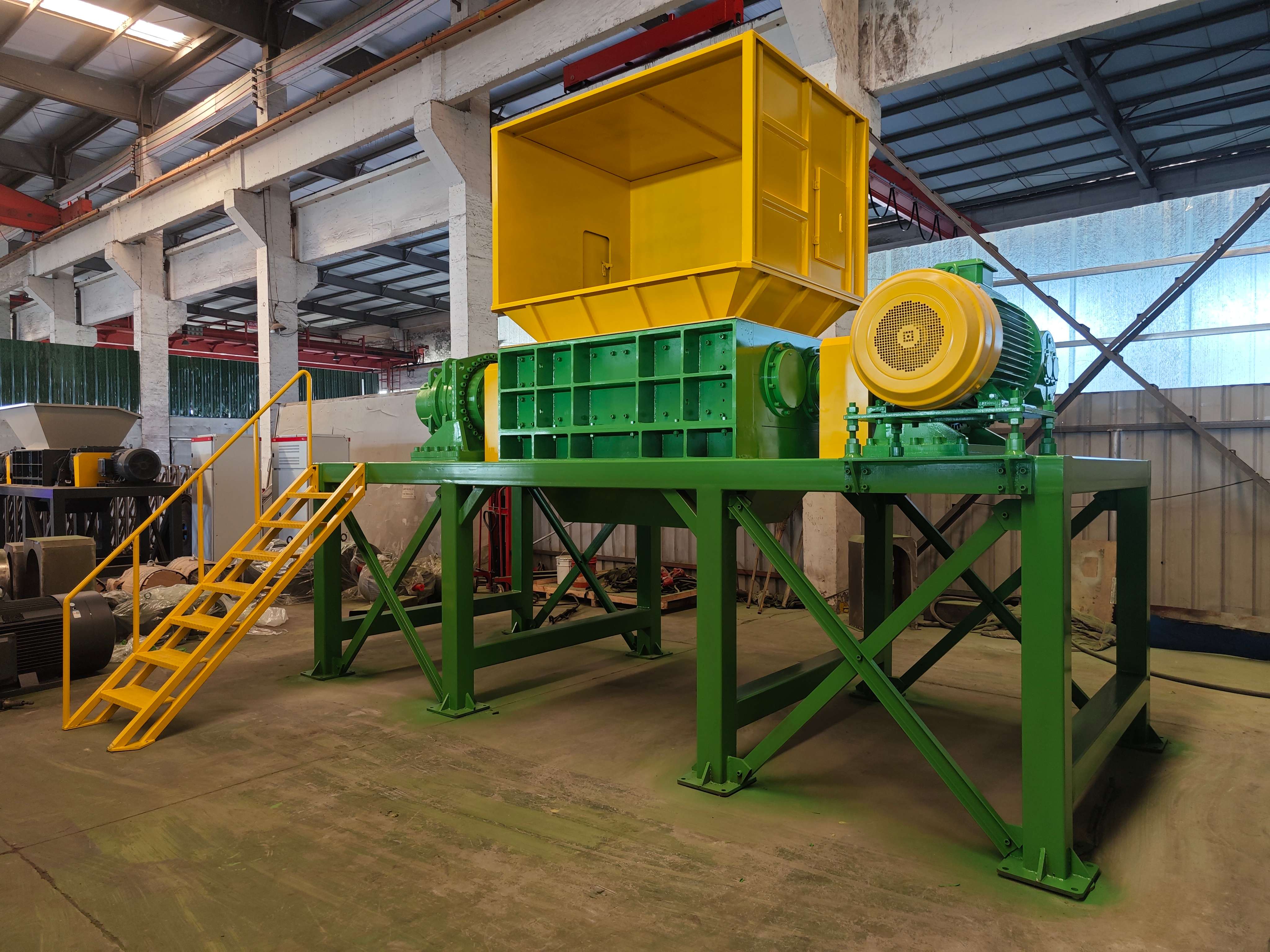
Most shredders chew through material with one rotor doing all the work. The twin-shaft design changes the physics entirely. Two counter-rotating shafts with interlocking cutters grab and pull material from both sides, so nothing just spins on top. On the floor, that means fewer bridging events and less operator babysitting.
The real difference shows up when you feed it something irregular—a bundle of pallet wrap, a soggy cardboard bale, a strip of conveyor belting. A single-shaft machine often bogs down or kicks the piece back out. The twin-shaft version’s low-speed, high-torque geometry shears through it slowly but relentlessly, keeping the line moving without reversing or stalling.
What actually matters in a production environment isn’t the spec sheet; it’s how the machine behaves when the bin is half full and the operator is short on time. The twin-shaft shredder’s self-feeding action and chip-clearing gaps between cutters make a noticeable difference in throughput and downtime. It’s not just another shredder—it’s the one that keeps the floor running.
Low Speed, Serious Torque: Why Slower Rotation Often Means Cleaner Cuts
A blade spinning at high RPM often skims across the surface instead of sinking into the material. Every tooth gets less time to bite, so the edge rubs, heat builds up, and burn marks or melted plastic become the telltale sign of too much speed. Dropping the rotation rate while keeping torque strong changes that dynamic entirely. The teeth dig in, take a proper chip, and clear it before the next one arrives.
The real advantage shows up in dense or inconsistent stock. Hard knots, glue lines, or thick metal sections can cause a fast but weak motor to bog down mid-cut, which leaves wavy edges and torn fibers. With serious torque on tap, the blade holds its speed through those tough spots without screaming. You get a steady feed rate and a cut that needs little sanding or filing afterward.
That control also makes the tool feel less frantic in your hands. You can follow a layout line without fighting the saw, and the reduced chatter means the teeth aren't bouncing off the work. Slower rotation, backed by real torque, often leaves a surface that looks like it came off a jointer rather than a saw blade.
Built to Bite Back: Wear-Resistant Blades and Smart Shaft Geometry
The blade assembly here isn't a stamped afterthought. Each edge gets a vacuum-hardened treatment that pushes surface hardness well past typical stainless, so the initial bite you feel on day one is the same bite you get after months of daily ice, frozen fruit, and fibrous greens. Micro-serrations are aligned with the direction of rotation rather than cut randomly, which keeps tearing to a minimum and lets the edge slice cleanly instead of pulverizing.
Below the blades, the shaft geometry does more than spin. A subtle taper near the bearing seat reduces dead zones where ingredients normally collect, while the fluted midsection channels liquid back upward during high-speed cycles. That means fewer air pockets, less cavitation, and a vortex that actually reaches the top of the jar instead of stalling halfway through.
From Tire Scrap to Circuit Boards: The Material Range May Surprise You
Most people picture cardboard and soda cans when they think about recycling, but the actual stream is far stranger. Discarded tires get shredded into crumb rubber for playgrounds and road asphalt, while old circuit boards are crushed and smelted to recover copper, gold, and silver. Between those extremes sit things like porcelain sinks, neoprene wetsuits, and tungsten lightbulb filaments — all of which have found their way into modern material recovery.
The trick is that 'waste' isn't one category. A tire is mostly vulcanized rubber with steel belts, so it needs a completely different process than a circuit board's fiberglass and etched copper layers. Yet both are routinely diverted from landfills. It's the odd, hybrid items — think shoes with rubber soles and metal eyelets — that still trip up sorting lines. Once you start looking, the material range is less about recyclable versus non-recyclable and more about how much patience a facility has for disassembly.
What surprises many is how ordinary these materials become on the other side. Yesterday's tires show up as soft fall surfaces under swing sets. Last year's motherboards become the thin gold plating inside a new phone. The gap between scrap and supply is shrinking fast, and it's filled with objects you'd never expect to have a second life.
Where Double Shaft Shredders Do the Dirty Work: Real Industrial Settings
Walk into a municipal solid waste facility and you will hear the double shaft shredder before you see it. It chews through mattresses, couches, and tangled heaps of commercial trash that would jam most other machines. The slow-speed, high-torque rotors pull material in with a steady rhythm, reducing bulky items to fist-sized pieces so downstream screens and magnets can actually do their job. Without this first pass, the sorting line would choke in under an hour.
Electronics recyclers lean on these shredders for a different kind of abuse. Hard drives, printers, and telecom racks get fed straight into the cutting chamber, where hardened steel discs snap circuit boards and tear apart aluminum frames. The goal is not just volume reduction but liberation: freeing copper, steel, and precious metals from plastic casings so they can be separated cleanly. In these plants, the machine runs inside a sealed enclosure with dust extraction, because shredded e-waste throws off a mix of glass, brominated plastics, and fine metal powder.
Product destruction and secure disposal sites use double shaft shredders to make things unrecoverable. Defective branded goods, expired pharmaceuticals, or confidential prototypes go in one end and come out as unrecognizable strips and chunks. Operators often feed entire pallets of boxed product straight into the hopper, letting the shredder tear through cardboard, blister packs, and product alike. It is not glamorous work, but someone has to make sure that rejected batch of smartwatches never finds its way back onto a shelf.
Beyond the Brochure Specs: What Actually Determines Long-Term Reliability
The printed numbers rarely survive contact with reality. A motor rated for 20,000 hours on a lab bench can fail in 18 months when it spends every afternoon cycling between desert heat and a cold warehouse. Long-term reliability is shaped less by peak output than by how components handle thermal expansion, vibration at resonant frequencies, and the slow creep of moisture into connectors. Manufacturers that over-spec capacitors, use conformal coating on circuit boards, and test under uneven load profiles tend to produce equipment that still works a decade later—while the cheaper alternative quietly corrodes from the inside.
One overlooked factor is the service loop. Components arranged for easy access, with standardized fasteners and clear torque markings, invite routine maintenance instead of discouraging it. When a ten-dollar bearing can be replaced in twenty minutes, the whole machine stays alive. But when that same bearing is buried behind a welded bracket and three unrelated harnesses, a minor wear item becomes a reason to scrap the unit. Build quality shows up in the places nobody photographs: wire routing away from sharp edges, drain holes positioned where condensation actually collects, and labels that remain legible after years of UV exposure.
Field data tells a different story. Talk to fleet managers or repair technicians, and they will mention the same model years, the same solder joints, the same seals that give out first. That accumulated knowledge—often absent from marketing materials—predicts reliability far better than any advertised duty cycle. If a product has a reputation for third-generation fixes, revised part numbers, and honest recall notices, it suggests the company is learning from failures rather than hiding them. That feedback loop ultimately matters more than any impressive figure printed on page two of a datasheet.
FAQ
A double shaft shredder uses two counter-rotating shafts fitted with interlocking cutting discs. This design lets it grab bulky or irregular materials more reliably than a single shaft machine, which relies on a hydraulic ram to push material against one rotor. The twin-shaft layout handles mixed waste streams without frequent jamming.
Look for high-torque, low-speed gearboxes that prevent stalling, independently reversible shafts to clear blockages, replaceable hardened steel blades, and programmable logic controllers that monitor load and automatically reverse rotation. Sealed bearings and a robust frame are also essential for continuous industrial use.
These machines are versatile enough for tires, electronic scrap, aluminum castings, plastics, wood waste, municipal solid waste, textiles, and even hazardous materials when properly configured. The aggressive hooking action of the twin shafts pulls in whole appliances or baled material without pre-shredding.
They appear in recycling plants, waste-to-energy facilities, cement kilns as alternative fuel prep, scrap yards, plastic processing lines, paper mills, and e-waste dismantling operations. They are also popular in confidential document destruction and medical waste treatment.
Cutter thickness, hook profile, and number of teeth affect grip and particle size output. Thicker cutters last longer but produce coarser material. Regular maintenance involves rotating or swapping worn cutters, checking shaft alignment, and greasing bearings. Some designs use bolt-on cutter tips so only the worn edges need replacement rather than whole discs.
Yes, but the feed system and discharge need to manage fluid drainage. Many units have perforated screens or drain channels to separate liquids from solids. Sealing must be specified for the gearbox and bearings to prevent corrosion or contamination from aggressive or abrasive liquids.
Typical safeguards include emergency stop cables around the hopper, interlocked access doors that cut power, thermal sensors on motors and gearboxes, and automatic load-sensing reversal. Some models include light curtains or radar sensors to stop the rotor if an operator gets too close.
Sizing depends on throughput target, material type, and desired output size. Manufacturers typically calculate required torque from the material's cutting resistance and the number of cutters engaged simultaneously. Oversizing the gearbox by 15–20% helps handle unexpected hard objects and extends service life.
Conclusion
On a busy processing floor, a twin-shaft shredder doesn't just chew through material the way a single-shaft unit does. The counter-rotating shafts create a positive feeding action that grabs bulky, oddly shaped scrap and pulls it into the cutting zone, reducing the need for constant manual intervention. What really sets double shaft machines apart is the combination of low rotational speed and enormous torque. Instead of relying on fast spinning blades that can fling lightweight scraps or overheat on dense metals, the slow, deliberate motion produces cleaner cuts, less dust, and far less noise. The shafts themselves are engineered with wear-resistant steel inserts and carefully shaped hook-like cutters that maintain their bite even after thousands of hours. This geometry isn't just about sharpness; it's about directing stress away from vulnerable welds and toward replaceable wear parts. The result is a machine that can munch through everything from whole tires and rubber bales to rigid plastics, aluminum extrusions, and even populated circuit boards without changing the core tooling.
You'll find these shredders doing the dirty work in scrap yards, e-waste recycling plants, municipal solid waste facilities, and manufacturing lines that need to reduce rejected parts or purge material. The material range is surprising because the low-speed, high-torque action avoids melting plastics or igniting flammable waste, which often happens with high-speed granulators. However, anyone who has operated a shredder for years knows that the brochure's torque and throughput numbers don't guarantee longevity. Actual field reliability depends on how easily operators can access the cutting chamber for routine blade rotation or replacement, whether the gearbox is sealed against fine dust and moisture, and how well the hydraulic or electric drive manages shock loads when a stray piece of steel finds its way into the hopper. Smart operators look beyond peak horsepower and ask about bearing spacing, shaft deflection under load, and the simplicity of the control logic. A double shaft shredder that survives a decade of abuse is rarely the one with the most impressive spec sheet; it's the one designed for the unglamorous reality of daily industrial punishment.
Contact Us
Contact Person: Leon
Email: [email protected]
Tel/WhatsApp: 8615385558866
Website: https://www.shred-waste.com