
Metal Recycling Factory: Innovations for a Sustainable Future
2026-04-03
As global demands for sustainable practices intensify, the metal recycling industry stands at a critical crossroads. How can innovation transform this sector into a true driver of environmental change? In 'Metal Recycling Factory: Innovations for a Sustainable Future,' we explore the cutting-edge technologies and forward-thinking strategies reshaping how we reclaim and reuse metallic resources. From advanced sorting systems to energy-efficient processing methods, discover how Kowloon Machinery is pioneering solutions that go beyond mere compliance, integrating efficiency with ecological responsibility. Join us as we delve into the machinery, methods, and mindsets defining tomorrow's sustainable metal recycling landscape.
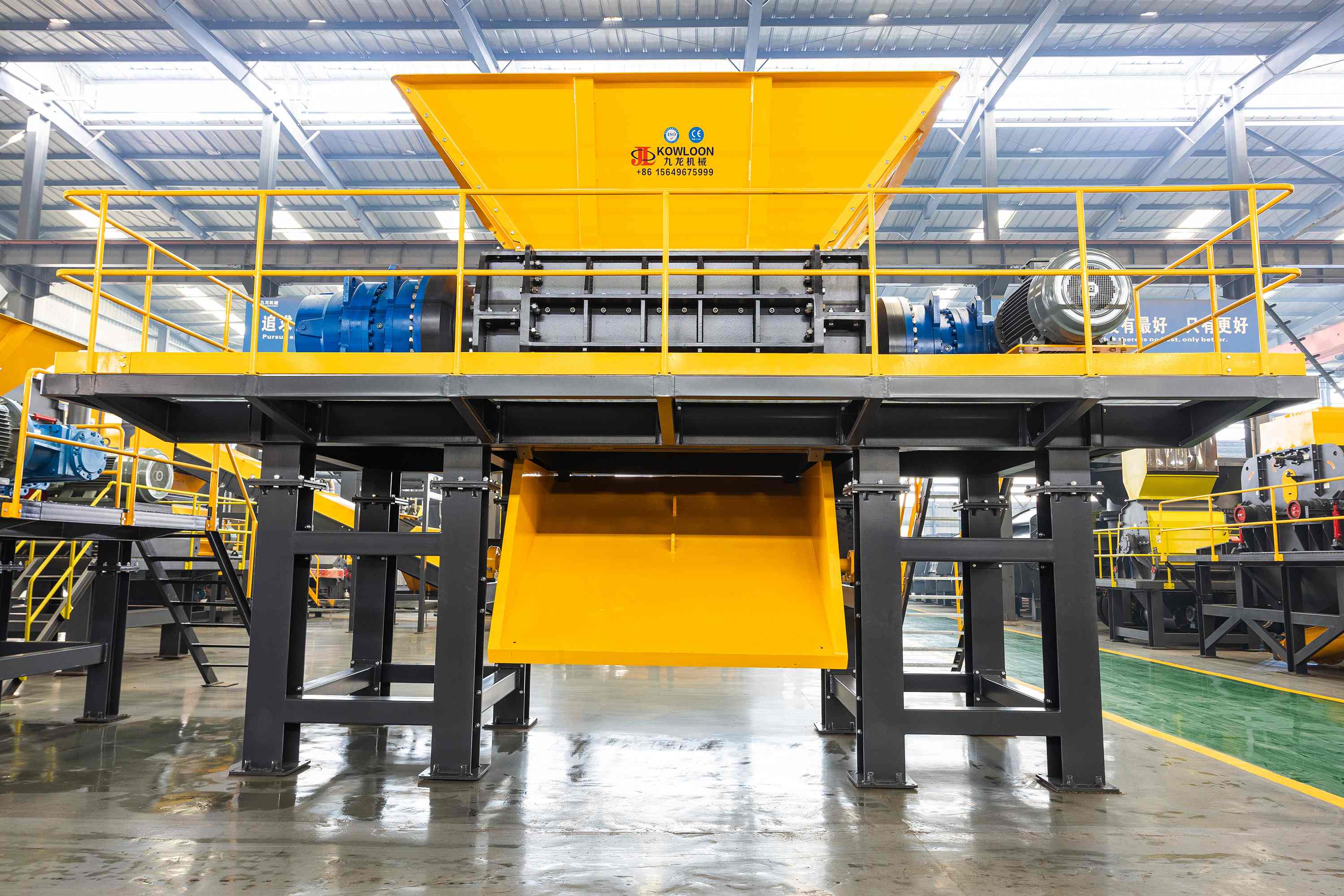
Revolutionary Shredding Systems for Efficient Metal Processing
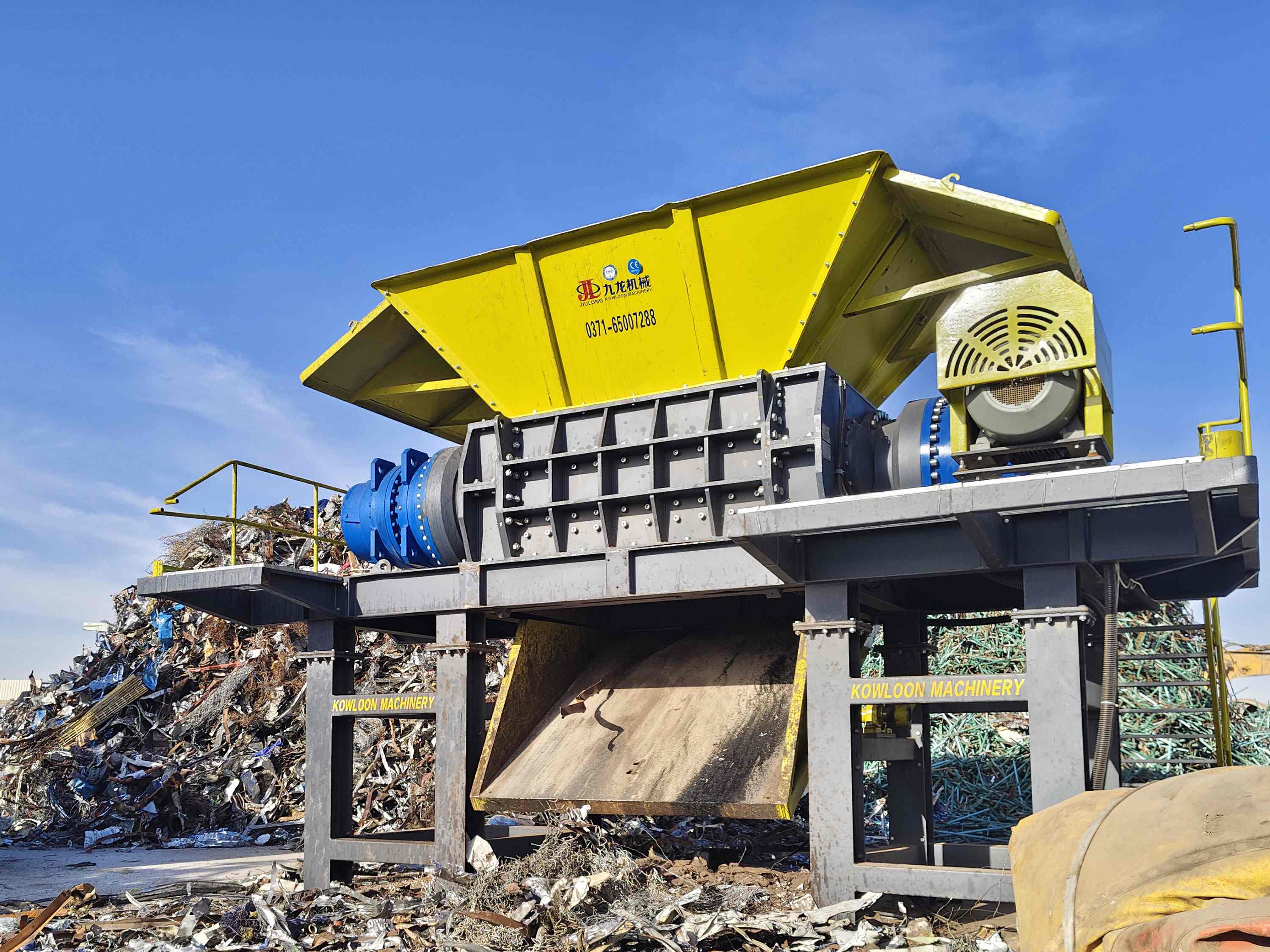
In the competitive landscape of metal recycling and processing, our revolutionary shredding systems are engineered to transform how industries handle scrap metal, delivering unmatched efficiency and reliability. Unlike conventional shredders that struggle with mixed materials or high-volume demands, these systems incorporate advanced dual-shaft technology and intelligent automation, enabling continuous operation with minimal downtime. By optimizing energy consumption and reducing maintenance needs, they not only cut operational costs but also enhance throughput, making them a game-changer for facilities aiming to maximize resource recovery and sustainability.
What sets our shredding systems apart is their ability to process a wide range of metal types—from aluminum cans and copper wires to heavy steel beams—with precision and consistency. Featuring robust, wear-resistant components and real-time monitoring sensors, they adapt to varying load conditions without sacrificing performance. This versatility ensures that businesses can handle diverse scrap streams more effectively, reducing waste and increasing the purity of output materials for higher market value. It's a solution that redefines efficiency, turning complex metal processing challenges into streamlined, profitable operations.
Beyond mere functionality, these systems are designed with user safety and environmental compliance in mind, integrating noise reduction features and emission controls to meet stringent regulations. Their modular design allows for easy upgrades and scalability, ensuring long-term adaptability as processing needs evolve. By investing in our shredding technology, companies not only boost their bottom line but also contribute to a circular economy, where metal resources are efficiently reclaimed and reused. It's not just about shredding; it's about pioneering a smarter, more sustainable approach to metal processing.
Advanced Sorting Technologies: From Manual to AI-Driven Solutions
From its humble beginnings where humans manually sorted items based on visual inspection and physical handling, sorting technology has evolved into a sophisticated field integral to modern industries. Early methods, though labor-intensive, laid the groundwork for understanding the complexities of categorizing objects by size, shape, or quality. As demand for efficiency grew, mechanical systems emerged, such as conveyor belts and simple sensors, automating basic tasks and reducing human error. This transition marked the first major leap toward faster, more reliable operations, though it still required significant manual oversight and customization for different materials.
The advent of advanced electronic and optical technologies brought a new era, with machines capable of detecting minute differences using cameras, lasers, and x-rays. These systems could sort items based on color, texture, or composition at high speeds, revolutionizing sectors like recycling, agriculture, and manufacturing. For instance, in food processing, optical sorters can identify and remove defective products in real-time, ensuring higher standards. While these technologies boosted precision, they often relied on pre-programmed rules, limiting their adaptability to new scenarios without extensive reconfiguration.
Today, AI-driven sorting solutions represent the pinnacle of this evolution, leveraging machine learning algorithms to analyze vast datasets and make intelligent decisions autonomously. Unlike earlier systems, AI can learn from patterns, improving accuracy over time and handling complex, variable inputs—such as sorting mixed waste streams or detecting subtle defects in pharmaceuticals. This shift not only enhances efficiency but also reduces costs and environmental impact, as seen in smart recycling plants that maximize material recovery. As AI continues to advance, it promises even greater customization and integration with IoT devices, pushing sorting technologies toward a future where adaptability and intelligence reign supreme.
Energy Recovery Systems: Turning Waste Heat into Power
Ever wondered what happens to all the excess heat generated by industrial furnaces, power plants, or even your car's engine? Instead of letting it dissipate unnoticed, energy recovery systems (ERS) harness this waste heat and convert it into useful electrical or mechanical power. By capturing heat that would otherwise be lost to the environment, these systems not only boost overall energy efficiency but also cut down on fuel consumption and greenhouse gas emissions, making them a key player in sustainable energy management.
From advanced heat exchangers in manufacturing facilities to organic Rankine cycles (ORC) tailored for low-temperature applications, modern ERS technologies are surprisingly versatile. They can be integrated into various settings, such as capturing exhaust heat from ships to power onboard systems or recycling thermal energy from data centers to warm nearby buildings. This adaptability allows industries to turn a costly byproduct—waste heat—into a valuable resource, often with payback periods that make financial sense alongside environmental benefits.
What sets cutting-edge energy recovery apart is its ability to optimize performance in real-time, using smart sensors and adaptive controls. For instance, in combined heat and power (CHP) systems, sensors can adjust operations based on fluctuating demand, ensuring maximum energy capture without compromising safety or efficiency. As global energy demands rise, these systems are evolving from niche solutions into mainstream tools, offering a practical and innovative approach to closing the loop on waste and powering a more resilient future.
Closed-Loop Water Management in Metal Recycling Operations
In metal recycling operations, closed-loop water management is not just a buzzword—it's a strategic necessity for modern facilities aiming to balance productivity with environmental stewardship. Unlike traditional systems where water flows through once and gets discharged, these setups keep water circulating within the plant, minimizing fresh water intake and lowering wastewater generation. It's like having a self-sufficient ecosystem where each drop of water gets reused, purifying contaminants through filtration and treatment processes before it re-enters the cycle. This approach doesn't just cut costs on water bills; it shields recyclers from local water scarcity issues and stringent discharge regulations, turning resource management from a compliance chore into a competitive edge.
What makes closed-loop systems particularly compelling in metal recycling is their ability to handle the unique challenges of the industry, such as metal particulates, oils, and chemicals from shredding and processing. By integrating technologies like sedimentation tanks, skimmers, and advanced filtration units, plants can continuously clean water on-site, ensuring it meets quality standards for reuse in cooling systems, dust suppression, or equipment cleaning. This dynamic process allows operations to adapt to varying scrap compositions without halting production, fostering a resilient workflow that keeps pace with market demands while staying eco-friendly.
Beyond the technical perks, adopting closed-loop water management signals a shift toward circular economy principles, where nothing goes to waste—not even water. For metal recyclers, this means aligning with global sustainability trends and gaining favor with environmentally conscious stakeholders, from investors to local communities. It's an investment that pays off in reduced operational risks and enhanced brand reputation, proving that smart water use is integral to thriving in today's steel, aluminum, and copper recycling landscapes.
Innovative Alloy Separation for Higher Purity Metals
Imagine a world where recycling metals isn't just about melting them down but about cleverly untangling their atomic bonds. The latest breakthrough in alloy separation technology does precisely that, enabling us to extract metals at levels of purity previously thought unattainable in industrial settings. By employing advanced electrochemical and solvent extraction methods, this innovation targets the microscopic impurities that often linger in traditional processes, ensuring that each metal recovered meets the stringent standards required for high-tech applications. It's a game-changer for industries reliant on ultra-pure materials, from aerospace to renewable energy.
What sets this approach apart is its adaptability across various alloy types, including complex mixtures like those found in electronic waste. Instead of relying on energy-intensive smelting, which can degrade metal quality, the new techniques use selective leaching agents that dissolve specific components without affecting others. This precision not only boosts purity—often achieving 99.99% or higher—but also slashes environmental footprints by cutting down on waste and emissions. As demand for cleaner, more efficient metal sourcing grows, this innovation paves the way for a more sustainable and economically viable supply chain.
In practice, the impact is already being felt in sectors where purity dictates performance, such as in the production of semiconductors or medical implants. By refining metals to near-perfect states, manufacturers can enhance product durability and functionality, driving innovation forward. This separation technology isn't just an incremental improvement; it represents a shift toward smarter material management, where every alloy is seen as a valuable resource waiting to be unlocked with greater finesse and efficiency.
Sustainable Logistics: Optimizing Transport and Emissions
In today's global market, sustainable logistics has become a pivotal strategy for companies aiming to balance efficiency with environmental responsibility. This approach involves rethinking traditional transport methods to minimize carbon footprints while maintaining supply chain agility. Key practices include adopting green technologies such as electric vehicles, optimizing delivery routes through advanced algorithms, and integrating multimodal transport systems that leverage rail or sea to reduce road traffic. By prioritizing these innovations, businesses can cut down on emissions significantly, contributing to broader climate goals without compromising operational speed or customer satisfaction.
Another critical aspect of sustainable logistics lies in data-driven decision-making. Real-time monitoring of fleet performance, fuel consumption, and emission levels allows companies to identify inefficiencies and implement targeted improvements. For instance, leveraging IoT sensors and AI analytics can predict maintenance needs, preventing breakdowns that lead to excess emissions. Additionally, collaboration across the supply chain—such as sharing transport resources with partners—can further streamline operations and reduce redundant trips. This holistic view not only enhances sustainability but also often results in cost savings, making it a win-win for both the planet and the bottom line.
Beyond technical adjustments, fostering a culture of sustainability within organizations is essential. Training employees on eco-friendly practices, setting clear emission reduction targets, and engaging stakeholders in green initiatives can drive long-term change. Companies that lead in this area often see improved brand reputation and customer loyalty, as consumers increasingly favor environmentally conscious brands. Ultimately, sustainable logistics isn't just about compliance; it's a forward-thinking approach that positions businesses for resilience in a rapidly evolving world, where efficiency and environmental stewardship go hand in hand.
FAQ
Advanced sensors and AI-driven sorting systems now efficiently separate metals, boosting purity and reducing energy use in recycling processes.
Sustainable methods cut landfill waste, lower carbon emissions, and conserve natural resources by reducing the need for new metal extraction.
Many factories use solar panels or wind turbines to power machinery, slashing reliance on fossil fuels and shrinking their carbon footprint.
Automated systems like robotic arms and conveyor belts speed up sorting and processing, minimizing labor costs and human error.
New smelting techniques and alloy refinement processes enhance quality, allowing recycled metals to meet high industry standards at lower costs.
By hosting educational tours, offering collection programs, and partnering with local businesses, factories raise awareness and boost recycling rates.
Conclusion
The metal recycling industry is embracing transformative innovations to forge a sustainable future, moving beyond traditional practices to address environmental challenges. Revolutionary shredding systems now enable more efficient metal processing, reducing energy consumption while maximizing material recovery. Coupled with advanced sorting technologies that have evolved from manual methods to AI-driven solutions, these systems ensure higher accuracy in separating metals, minimizing waste and improving resource utilization. Energy recovery systems play a crucial role by capturing waste heat and converting it into power, enhancing overall factory efficiency and reducing reliance on external energy sources. Additionally, closed-loop water management in recycling operations conserves this vital resource, preventing pollution and supporting long-term environmental stewardship.
Further innovations are driving the industry toward greater sustainability through improved material purity and logistics. Innovative alloy separation techniques allow for the extraction of higher purity metals, which are essential for manufacturing high-quality recycled products and expanding market applications. This not only boosts economic viability but also reduces the need for virgin material extraction. Meanwhile, sustainable logistics focus on optimizing transport and emissions, integrating route planning and eco-friendly vehicles to minimize the carbon footprint associated with metal recycling. Together, these advancements create a holistic approach that balances efficiency, economic growth, and ecological responsibility, positioning metal recycling factories as key players in building a circular economy for a greener tomorrow.
Contact Us
Contact Person: Ray
Email: [email protected]
Tel/WhatsApp: +86 13733817580
Website: https://www.zzkowloon.com/