

Non-Rising Stem Gate Valve Wholesale: What Smart Buyers Look for in Quality and Value
2026-11-24
Sourcing non-rising stem gate valves at wholesale should not feel like a gamble, yet too many buyers learn late that a low quote hid weak castings or rough stem threads. Smart purchasing starts with spotting the details that separate dependable inventory from costly returns. For teams that refuse to trade long-term value for a cheap pallet, DRIFCO is fast becoming the name to check before placing the next order.
Cheap Valves Reveal Themselves in the Casting
There's a certain honesty in a raw casting. Cheap valves tend to give themselves away before a single tool touches them—rough, uneven surfaces, shifting parting lines, and pockets where the metal didn't flow quite right. The texture feels loose, almost sandy in places, and the overall shape lacks the crisp edges you'd expect from a well-controlled pour.
Look closer at the flanges and body walls. On budget castings, thickness wanders. One side of the neck might be noticeably heavier than the other, or the bolt bosses sit slightly off-center. Sometimes you'll find small voids or veins of porosity just under the skin, hidden until a machinist starts cutting and the tool breaks through into a tiny cavity.
Then there's the color and density. A cheap casting often has a dull, mottled finish where oxides and inclusions settled unevenly. It may feel lighter than it should, or ring with a flat note when tapped. Those aren't quirks. They're the casting telling you exactly what was skipped in the foundry.
Wedge Alignment Errors That Quietly Drain Performance
A wedge that sits even two degrees open at address rarely looks wrong over the ball, but it forces the bounce to meet the turf before the leading edge. Shots from tight lies start to skip, while soft sand becomes harder to exit cleanly because the flange is fighting the club’s natural path. The strike still feels reasonable, so the player blames technique instead of the quiet mismatch between setup and sole geometry.
Hands tend to drift toward a familiar grip position under pressure, which can rotate the face a few degrees without any obvious adjustment. That small rotation changes the relationship between the grooves and the target line, producing shots that launch higher, drift to one side, or land short of a tucked pin. Checking the face against an alignment stick during short-game practice often reveals the error faster than another swing change.
Stem Nut Materials That Decide Whether Maintenance Stays Simple
Bronze stem nuts have been doing the unglamorous work in valve assemblies for decades. Their main trick is wearing down before the stem does, which keeps the repair bill small and the labor short. You still have to inspect them, but when replacement day comes, it usually means unscrewing a few parts rather than rebuilding the whole top works.
Stainless steel sounds like the obvious upgrade until you deal with galling. Under load and with less-than-perfect lubrication, the threads can cold-weld together, and then a routine service call becomes a fight with a hacksaw or a torch. That material is worth the risk only when corrosion resistance or strength leaves no practical alternative.
Engineered plastics and composites sit somewhere in the middle. They shrug off rust, run quietly, and rarely stick, but they punish heavy torque and high-cycle use in their own way. Getting the material right for the actual duty cycle is often the difference between a ten-minute adjustment and a full afternoon of troubleshooting.
Coatings That Look Right but Fail After First Handling
A coated part can sit under inspection lights and tick every visual box—uniform gloss, correct tint, no obvious haze—yet lose adhesion the moment someone actually handles it. A gloved thumb along an edge lifts the film, or a light rub with packaging foam leaves a dull, fractured patch. The issue is rarely a single raw material defect. More often, the surface looks sealed, but the coating never anchored to the substrate in the first place.
The first few microns of the interface tell the real story. Residual stamping oils, silicone release agents, amine blush from an epoxy midcoat, or even moisture trapped in a microporous primer can sit quietly under a cured skin. When handling introduces shear or flex, that buried weakness turns into peeling, flaking, or a coating that comes away like a thin plastic sheet. Curing mistakes—off-ratio mixing, skipped flash times, cold substrate temperatures—also leave films hard on the outside and soft underneath.
This failure pattern is often blamed on rough shipping or careless assembly, but that explanation falls apart when the coating lifts at cut edges or separates cleanly from the metal. Transport may be the first event to expose the flaw, not the cause. A practical check is to press a piece of tape along a low-visibility edge and pull it sharply. If the coating lifts in clean strips or leaves a fingerprint-soft impression, the problem was waiting well before the part left the line.
Reading a Test Certificate Without Taking It at Face Value
A test certificate can look authoritative simply because it has a logo, a signature, and a tidy table of results. Reading it critically starts with separating what was actually measured from what was merely implied. Note the sample description, the date of testing, and whether the document refers to a one-off item or a production batch. If the certificate lacks a clear link between the sample and the product you are holding, the results may be technically valid yet practically useless.
Standards are another area where surface impressions mislead. A certificate may cite a long list of test methods, but that does not mean every clause of a product standard was evaluated. Check which clauses were excluded, whether limits were supplied by the customer or drawn from a regulation, and whether the laboratory’s accreditation covers each method in the exact revision mentioned. Missing test conditions can turn an impressive number into a weak claim.
Pay attention to uncertainty, traceability, and the language of conformity. A result reported without measurement uncertainty leaves room for interpretation, and phrases like ‘pass’ or ‘complies’ should point to a documented decision rule. If the certificate does not state how conformity was assessed when results sit near a limit, the conclusion may rest more on convention than on the measured data.
What Smart Buyers Inspect Before Accepting a Container
Most experienced buyers start at the doors because that’s where small problems turn into expensive ones. They swing both doors open and closed to feel for binding or sloppy play, check the locking bars and hinges for fresh paint hiding recent repairs, and run a hand along the gaskets to catch tears, flat spots, or uneven compression. Hard, cracked, or missing seals mean water and pests will get in even if the rest of the box looks clean.
Inside, the abused areas tell the real story. Buyers tap and press along the floorboards near the fork pockets, look for soft spots or mismatched planks, and scan the sidewalls for patch plates, heavy rust blooms, or recent caulking. A quick look at the roof bows from inside can expose leaks before they turn into cargo claims, and the vent covers and corner posts often carry damage that a fresh coat of paint can’t fully hide.
Before signing off, they match what’s in front of them against the unit’s age and paperwork. Door seals that look older than the container, replacement floor sections that don’t match, or a CSC plate that seems loose or freshly riveted are reasons to ask more questions. It isn’t about finding a flawless box; it’s about knowing what you’re accepting and whether the price still works after the defects are counted.
FAQ
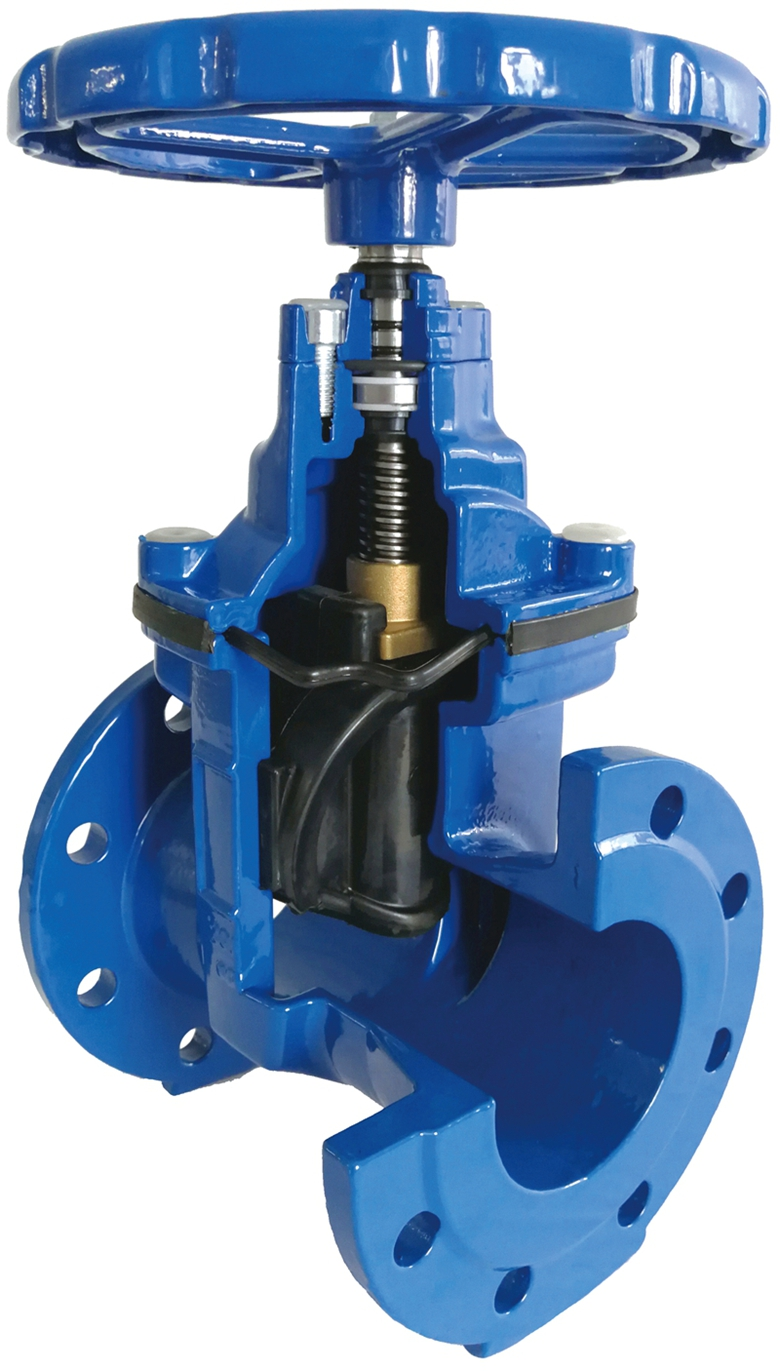
Look past the polished catalog photos. Request a cutaway sample or recent third-party inspection report that shows the stem thread engagement, wedge guide seating, and coating thickness. If a supplier hesitates to share those, the price advantage is usually hiding something.
Most failures start at the stem-to-wedge nut connection because the thread sits in the flow path and gets attacked by whatever is in the line. Ask about the exact stem and nut material pairing, not just the body material. A bronze stem inside a cast iron body sounds fine, but a cheap zinc-heavy nut will strip within a season in treated water or mild chemicals.
Check whether the wedge has full guide rails that hold alignment through the whole stroke, and whether the rubber is vulcanized or just pressed in place. On a resilient-seat wedge, a thin edge or shallow rubber retention will roll, tear, or peel after repeated operation under debris.
Because the rating alone says little about long-term value. The cheaper valve may have a thinner body wall, a lower-grade coating that fades but is supposed to be corrosion protection, and no allowance for machining tolerances. Spend time comparing actual wall thickness, bolt boss depth, and coating adhesion test results.
When you need a quick visual indication of open or closed position from a distance, or when the line carries slurry or fibrous material that will pack around the stem threads and wedge cavity. In those cases, a rising stem or knife gate may be less maintenance even if it costs more upfront.
More than a replacement promise. Ask for torque curves for the gearbox, assembly drawings that match the actual production line, and a named contact who can trace which foundry batch your order came from. Inventory support also matters: a supplier who can hold spare wedge nuts, seals, and stem sets saves you from throwing away an entire valve for a small wear part.
Ask for a sample with a deliberate scribe cut and salt-spray test photos, or better, request a coating thickness check on a production valve at a few hard-to-reach points like the flange edge and stem bore. Thin spots there show whether the valve was hung properly during coating or just sprayed quickly for appearance.
Conclusion
Bulk orders of non-rising stem gate valves often look interchangeable on a quote sheet, but the differences surface quickly once the first unit is pulled from the crate. Casting quality is the earliest tell: uneven wall thickness, rough internal passages, or repair welds in the body usually mean the foundry cut corners before machining ever started. Alongside that, wedge alignment deserves closer attention than most purchase checklists allow. Even a slight guide misalignment can leave the disc sealing unevenly, pushing torque higher and wearing seats out long before their rated life. Stem nut material often decides whether that wear leads to a simple parts swap or a full tear-down; bronze and brass grades vary widely, and the wrong pairing with the stem thread accelerates galling. Buyers who treat these details as minor often pay for them later through shorter service intervals and hard-to-source replacement parts.
Surface finish can be equally misleading. A glossy epoxy coat may look impressive in photos but fail quickly if adhesion and dry-film thickness were never verified, especially around flange faces and fasteners. The same cautious eye should apply to paperwork. A mill test report or pressure test certificate only carries weight when the heat numbers, test pressures, and material grades line up with the physical markings on each valve. Before accepting a container, experienced buyers sample boxes from different pallets, check gland packing, hand-wheel operation, and look for transit damage that hides under fresh paint. Taken together, these checks separate stock that will hold up under real operating conditions from inventory that merely passes a visual glance.
Contact Us
Contact Person: George
Email: [email protected]
Tel/WhatsApp: 13863633883
Website: https://www.es-fire.com