

Orthodontic and Stent Innovation: China's Medical Device Wire Advancements Explained
2026-02-06
Dive into the cutting-edge world of orthopedic and cardiovascular care, where precision meets innovation. In China, remarkable strides in medical device technology are reshaping patient outcomes, particularly through advancements in specialized wire applications for orthodontics and stent manufacturing. These breakthroughs not only enhance treatment efficacy but also underscore the nation's growing role in global healthcare innovation. At the core of these developments lies GRM, a leader in high-precision wire rolling solutions that power these medical marvels. This blog unravels the science behind these advancements, exploring how sophisticated wire technologies are transforming smiles and saving lives. Join us as we decode the engineering brilliance driving China's medical device evolution, and discover why GRM stands at the forefront of this transformative journey.
Latest Breakthroughs in Orthodontic Wire Technology in China
China's orthodontic wire technology has recently witnessed groundbreaking advancements, particularly in the development of smart, shape-memory alloys like nitinol. These wires, now more refined and cost-effective, adapt to temperature changes in the mouth, allowing for gentler, more efficient tooth movement. Local manufacturers are integrating AI-driven design tools to optimize wire properties for individual patients, reducing treatment times and enhancing comfort. This shift is transforming traditional orthodontics, offering unprecedented precision in real-world clinics.
Another key innovation is the introduction of biodegradable and biocompatible wires, which address environmental and health concerns. Made from materials such as polylactic acid or magnesium alloys, these wires gradually dissolve after fulfilling their corrective role, eliminating the need for removal appointments. Chinese researchers are pioneering their application in pediatric orthodontics, where safety and minimal intervention are critical, showcasing a unique approach to sustainable dental care that sets China apart globally.
Beyond materials, China is leading in digital integration with 3D scanning and printing technologies. Custom-designed wires are now produced using digital impressions, ensuring a perfect fit and faster turnaround. This personalized approach, combined with remote monitoring apps, allows orthodontists to track progress in real-time, reducing in-person visits. These advances position China as a hub for cutting-edge orthodontic solutions, blending technical prowess with patient-centric innovations.
Innovative Materials Transforming Dental Treatment Approaches
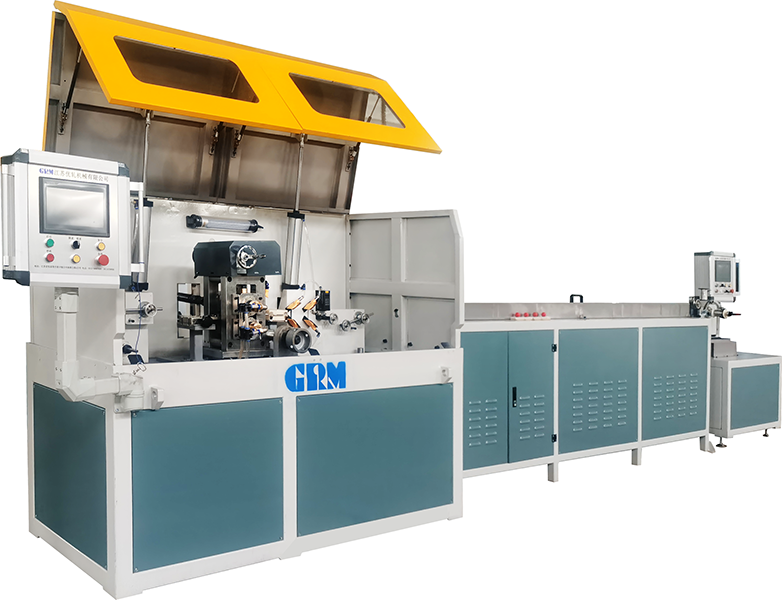
The landscape of dental care is undergoing a remarkable evolution, driven by the advent of innovative materials that are reshaping treatment protocols. Gone are the days when options were limited to traditional metals and ceramics; today, advanced composites, bioactive glasses, and smart polymers are enabling dentists to address oral health issues with unprecedented precision and patient comfort. These materials not only mimic the natural properties of teeth more closely but also contribute to faster healing and reduced post-procedural sensitivity, making dental visits less daunting for patients.
One standout example is the use of nanotechnology-infused materials, such as nano-hydroxyapatite, which can remineralize tooth enamel and combat decay at a microscopic level. This approach moves beyond mere restoration to active prevention, offering a proactive strategy for maintaining oral health. Additionally, 3D-printed resins and ceramics are revolutionizing the fabrication of crowns, bridges, and dentures, allowing for custom-fit solutions that enhance both aesthetics and functionality. By integrating digital workflows with these new materials, dental professionals can achieve results that are not only durable but also tailored to individual needs, setting a new standard in personalized care.
Moreover, the rise of biocompatible and biodegradable materials is transforming surgical interventions, such as bone grafting and tissue regeneration. Materials like polylactic acid-based scaffolds support natural bone growth and dissolve harmlessly over time, reducing the need for secondary surgeries. This shift towards more sustainable and patient-friendly options underscores a broader trend in dentistry: a move from reactive treatments to holistic, preventive approaches that prioritize long-term wellness. As these innovative materials continue to emerge, they promise to make dental treatments more effective, less invasive, and increasingly aligned with modern health-conscious lifestyles.
Advancements in Customizable Stents for Enhanced Patient Care
Recent innovations in customizable stents have transformed how medical teams approach complex vascular conditions, offering a degree of personalization that goes far beyond off-the-shelf designs. Instead of relying on one-size-fits-all solutions, these advancements allow clinicians to tailor devices to match each patient's unique anatomy—whether that means adjusting lengths, diameters, or material properties. This shift not only improves procedural accuracy but also reduces the risk of complications like stent migration or edge restenosis, ultimately leading to smoother recoveries and better long-term outcomes for individuals with intricate arterial or venous issues.
What sets these next-generation stents apart is their integration of cutting-edge manufacturing techniques, such as 3D printing and biocompatible polymers, which enable rapid prototyping and on-demand production. For example, in cases where a patient has an unusual vessel curvature or a previously treated area needing reinforcement, a custom stent can be fabricated within days, based on detailed imaging data like CT scans. This adaptability means fewer surgeries, less invasive interventions, and a more comfortable post-operative experience, as devices are designed to fit seamlessly into the body’s natural structures.
Beyond technical specifications, the impact of customizable stents extends into patient-centered care by fostering collaboration between engineers, radiologists, and surgeons. By involving multidisciplinary teams in the design process, these advancements ensure that stents aren't just mechanically sound but also optimized for individual lifestyles and health goals. As a result, patients benefit from reduced hospital stays, lower medication dependencies, and an overall enhancement in quality of life, marking a significant step forward in personalized medicine.
Chinese Manufacturing Pushing Boundaries in Medical Device Precision
Chinese manufacturers are making significant strides in the precision of medical devices, showcasing their ability to compete on a global scale. With substantial investments in advanced technologies like robotics, artificial intelligence, and high-precision machining, companies in China are producing instruments with tolerances that meet or exceed international standards. This shift is driven by a focus on quality control and adherence to stringent regulatory frameworks, allowing them to cater to diverse markets worldwide.
Innovation in this sector isn't just about following trends; it's about redefining what's possible. For instance, firms are developing micro-surgical tools and diagnostic equipment with enhanced accuracy, often at more competitive prices than their Western counterparts. By integrating smart sensors and real-time data analytics, these devices offer improved patient outcomes and operational efficiencies, positioning Chinese manufacturers as key players in the healthcare industry.
Moreover, the push for precision extends beyond production to collaborations with research institutions and global partners, fostering a culture of continuous improvement. This dynamic approach ensures that Chinese medical devices not only keep pace with technological advancements but often set new benchmarks, challenging traditional perceptions and expanding their influence in precision-critical applications.
Real-World Applications of High-Performance Orthodontic Wires
High-performance orthodontic wires have revolutionized modern dentistry, enabling clinicians to achieve more precise and efficient tooth movements. These advanced materials, such as nickel-titanium and beta-titanium alloys, offer superior flexibility and memory retention compared to traditional stainless steel wires. This allows for gentler forces on teeth, reducing patient discomfort and speeding up treatment times in real-world settings like crowded teeth alignment or bite correction.
In practical applications, these wires are particularly effective in complex cases such as adult orthodontics or interdisciplinary treatments involving multiple dental specialists. For instance, in patients with periodontal issues, high-performance wires provide controlled, low-force mechanics that minimize trauma to sensitive gums while still facilitating significant tooth repositioning. This has expanded the scope of orthodontic care, making it accessible to a broader demographic, including those previously deemed unsuitable for braces due to oral health concerns.
Beyond clinical efficiency, the durability and biocompatibility of these wires have led to reduced appointment frequency and fewer wire changes, lowering overall treatment costs and enhancing patient satisfaction. Innovations like heat-activated or self-ligating wires further streamline real-world use in busy dental practices, allowing for smoother adjustments and fewer emergencies, ultimately fostering more predictable outcomes in diverse orthodontic scenarios.
Future Trends in Wire-Based Medical Innovations from China
In recent years, China's advancements in wire-based medical technologies have been accelerating, driven by a strong focus on miniaturization and smart integration. Researchers are developing ultra-thin wires that can navigate complex anatomical structures with minimal invasivity, enhancing precision in procedures like neurostimulation and cardiovascular interventions. This trend is supported by robust government funding and collaborations between academic institutions and private companies, positioning China as a key player in the global medical device market.
Another emerging direction involves the incorporation of biodegradable materials and IoT capabilities into these wire systems. Chinese innovators are designing wires that dissolve harmlessly in the body after fulfilling their function, reducing long-term complications and the need for secondary surgeries. Simultaneously, wireless connectivity allows real-time data transmission from implanted wires to healthcare providers, enabling proactive monitoring and personalized treatment adjustments. This blend of sustainability and digital integration reflects a broader push toward eco-friendly, patient-centric healthcare solutions.
Looking ahead, China's wire-based innovations are likely to expand into emerging fields such as nanorobotics and targeted drug delivery. By leveraging cutting-edge research in materials science and AI, these wires could be equipped to perform intricate tasks at a cellular level, offering new possibilities for treating diseases like cancer and neurological disorders. As these technologies mature, they may redefine medical standards worldwide, showcasing China's role in shaping the future of minimally invasive therapies.
FAQ
Chinese manufacturers have pioneered nickel-titanium alloy wires with temperature-responsive properties, allowing for more precise tooth movement and reduced patient discomfort. Companies like SINO Technology are developing wires with higher elasticity and fatigue resistance, improving treatment efficiency.
China's stent production now includes biodegradable polymer coatings that release medication gradually, reducing restenosis rates. Firms such as MicroPort have introduced thinner, more flexible stents that enhance deliverability in complex arterial lesions, influencing international treatment protocols.
Research at institutions like Tsinghua University focuses on composite materials, such as cobalt-chromium alloys infused with antibacterial agents. This reduces infection risks in implantable devices, pushing boundaries beyond traditional stainless steel or pure titanium wires.
Patients benefit from shorter treatment times and fewer complications—for example, orthodontic wires with optimized force delivery speed up alignment, while advanced stents lower the need for repeat surgeries by minimizing inflammation and thrombosis.
Yes, local manufacturing and scalable production techniques often make Chinese devices more affordable without compromising quality. This has increased access to high-end treatments in emerging markets and spurred competition globally.
Products must meet stringent certifications like the FDA or CE marking, requiring extensive clinical trials. Chinese companies are investing more in compliance to build trust and overcome historical perceptions of lower standards.
AI algorithms assist in designing patient-specific wire shapes and stent structures based on 3D imaging data, enhancing customization. This leads to better fit and functionality, though it's still an emerging area with ongoing research.
Expect growth in smart wires with embedded sensors to monitor pressure or movement in real-time, and bioresorbable stents that dissolve after healing. Collaboration between tech firms and medical device makers is likely to accelerate these innovations.
Conclusion
Recent advancements in orthodontic wire technology in China have revolutionized dental treatment approaches, with innovative materials like nickel-titanium alloys enabling more precise and efficient tooth alignment. These high-performance orthodontic wires, such as those developed for customized stents, enhance patient care by offering better comfort and faster treatment times. Real-world applications show improved outcomes in complex dental cases, reflecting China's growing role in medical device precision and manufacturing.
Chinese manufacturers are pushing boundaries through advancements in customizable stents, integrating smart materials and digital design for personalized medical solutions. Future trends suggest ongoing innovation in wire-based medical devices, including bioresorbable wires and AI-driven customization, which will further transform orthodontics and stent applications. This progress positions China as a key player in global medical device advancements, with a focus on patient-centric and cutting-edge technologies.
Contact Us
Contact Person: Rayna
Email: [email protected]
Tel/WhatsApp: 86 -173 1474 6343
Website: https://www.grmrollingmill.com/