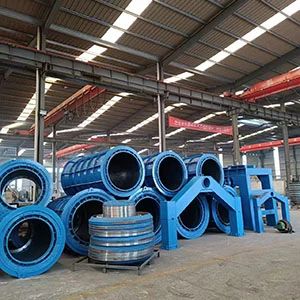

Precast L-Shaped Wall Mold Solutions from Leading China Factory for Efficient Construction
2026-11-16
Struggling to keep your construction timeline on track when L-shaped walls enter the blueprints? The right precast mold can turn a potential bottleneck into a seamless advantage. That’s where solutions from China’s leading factories come into play, and Qianfeng Electromechanical Equipment is redefining what efficient construction truly looks like with their specialized formwork.
Tailored L-Shaped Mold Designs for Complex Architectural Layouts
Architectural complexity often demands more than off-the-shelf solutions. When a floor plan throws unexpected angles, staggered volumes, or interlocking interior features at the construction team, standard rectangular molds simply can’t keep up. That’s where a bespoke L-shaped mold comes into its own—it’s not just a form; it’s a deliberate response to the building’s geometry. By matching the exact corner depth, limb length, and inner radii, these molds let you pour concrete in a way that hugs the blueprint rather than fighting it. The result is a continuous monolithic corner that carries load paths smoothly, eliminates awkward cold joints, and preserves the design intent without compromise.
We’ve moved far beyond the era of making do with straight walls and hoping the rendering looks convincing. Modern tailored molds use adjustable steel panels, modular corner inserts, and pre-assembled reinforcement cages that slot directly into the L-profile. This means you can cast intricate stairwell returns, wrap-around column bases, and deeply recessed window bays in a single clean pour—cutting down formwork hours and drastically reducing onsite rework. The real payoff surfaces when you walk through the finished space: crisp edges where two walls meet at a 110-degree sweep, or a seamless transition from a narrow corridor to an angular great room. Those details aren’t decorative afterthoughts; they’re the hard evidence that the mold was designed precisely for the architecture, not the other way around.
Streamlining Multi-Story Construction with Precast Wall Systems
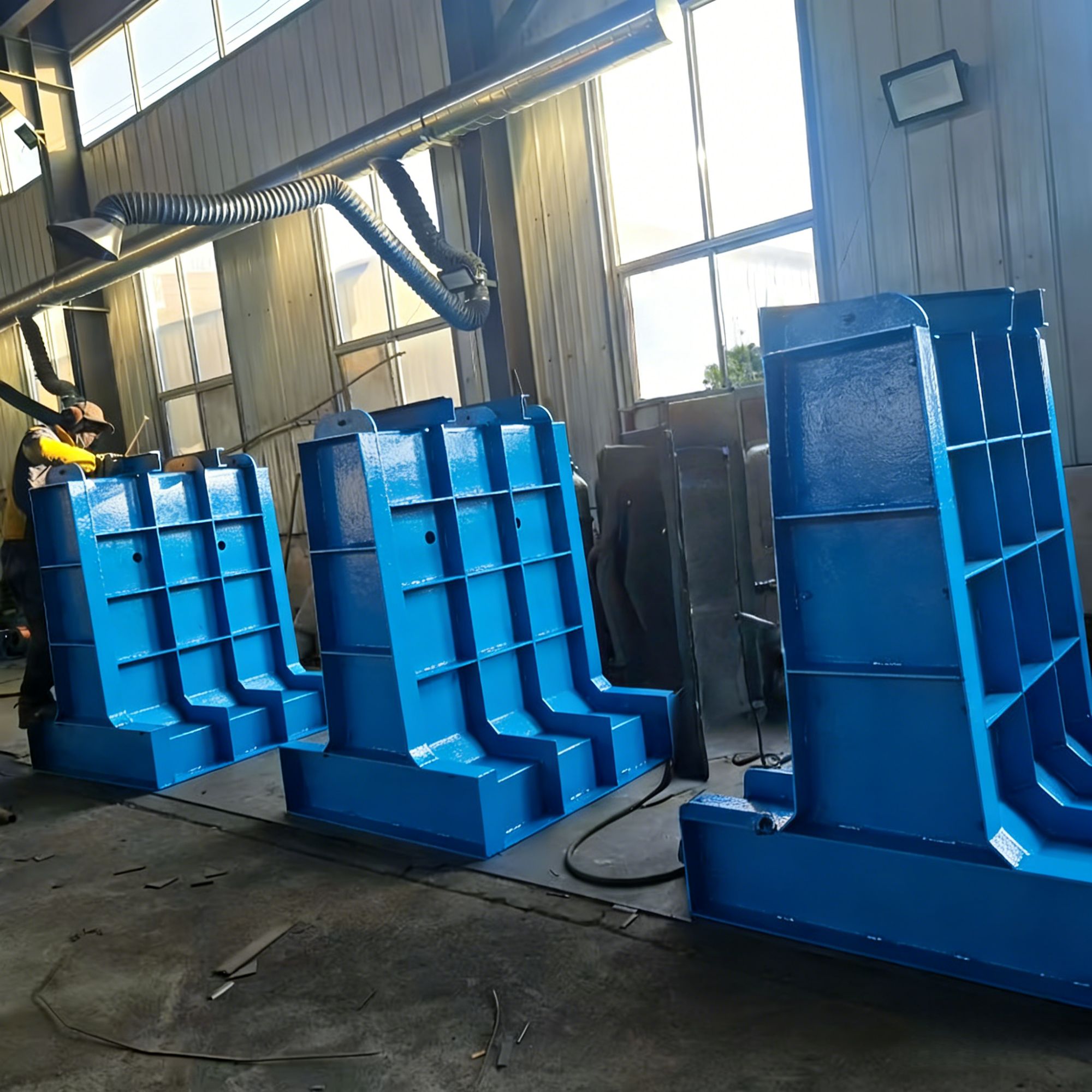
Precast wall panels are reshaping how multi-story projects come together, shifting essential work from exposed, weather-dependent sites to controlled manufacturing spaces. Once the panels arrive, crews can erect entire floor envelopes in days rather than weeks, slashing crane hours and scaffolding needs. This isn’t just about speed—it eliminates the usual curing delays of cast-in-place walls, allowing follow-on trades like electrical and plumbing to start far earlier. The result is a rhythm where a structure climbs floor by floor with the predictability of an assembly line, compressing schedules that once stretched across months into tight, logical sequences that developers can count on.
Beyond the timing advantages, these systems bring a quiet precision that field-poured concrete often struggles to match. Panel interfaces, cast against steel molds in factory settings, routinely hold tolerances within a few millimeters. That accuracy flows directly into faster finishing work: drywall hangs with fewer shims, window frames slip into preformed openings without grinding adjustments, and waterproofing layers bond to surfaces that are already plumb and smoothed. On sites where driving rain or freezing temperatures would force concrete crews to idle, precast installation continues with only minimal weather shielding, turning the traditional construction calendar into something far more resilient.
Integration of structural and thermal functions inside a single panel layer removes redundant steps that have long burdened multi-story designs. A typical sandwich panel delivers load-bearing capacity, continuous insulation, and a finished interior face in one lift, so there’s no separate stud framing cavity to fill or secondary vapor barrier to tie in. That condenses wall thickness, reclaims usable floor area, and reduces coordination conflicts between trades that frequently burn project momentum. When extended to shafts and stair cores, the same logic erases weeks of complex formwork and rebar placement high above grade, keeping the critical path lean.
Factory Precision That Eliminates On-Site Adjustments
When components arrive pre-aligned and tested at the factory, the traditional chaos of on-site assembly becomes obsolete. We enforce micron-level tolerances during fabrication, so every bracket, rail, and connection moves straight from crate to final position without shims, re-drilling, or prolonged alignment sessions. This upfront investment in precision removes the guesswork that normally slows down installation deadlines and drives labor costs upward.
By shifting the careful calibration work into a controlled manufacturing environment, we also neutralize variables like weather, uneven flooring, and makeshift measuring tools that rarely deliver the same consistency. The result is a structure that locks together predictably—identical fit after identical fit—freeing crews to focus on system integration rather than field corrections. It's a straightforward proposition: spend less time reworking connections and more time commissioning what actually matters.
Long-Lasting Mold Steels for High-Volume Casting Cycles
Every run in high-volume casting eats away at tooling in subtle but relentless ways—thermal cycling cracks, surface erosion, and dimensional drift. The right mold steel doesn't just withstand these forces; it actively slows their progression by maintaining hardness and microstructural stability even after thousands of heat-cool swings. This translates directly into fewer unscheduled stops for polishing or insert changes, which is where real production cost lives.
Materials engineered with a fine balance of chromium, molybdenum, and vanadium form tightly bonded carbides that resist the washout effects of molten metal. Crucially, these steels are formulated to keep their hot strength while also offering enough ductility to avoid brittle failure during rapid temperature shocks. When a tool can do this repeatedly without surface crazing, the result is consistent part quality from first shot to last.
Beyond chemistry, the processing path matters just as much. Electroslag remelting and multidirectional forging push inclusion content down and refine the grain structure, giving the steel a homogeneous response to heat treatment. Coupled with a tempering practice tailored for peak secondary hardening, the final mold insert delivers a predictable, extended campaign life that keeps unit costs flat as volumes climb.
Reducing Concrete Waste Through Optimized Mold Geometry
Every cubic yard of concrete that ends up as waste starts with a shape that didn’t quite fit. Standard rectangular molds have long been the default, but they rarely match the complex curves and load paths of modern structures. By tailoring mold geometries to the actual stress flows—using algorithms that densify material only where it’s needed—we’re seeing pour volumes drop by 30% or more without sacrificing strength. The trick isn’t just trimming edges; it’s rethinking the negative space entirely, so that the formwork itself discourages over-pouring at corners and thickenings where cracks often start.
A less obvious source of waste hides in the joints and interlocking surfaces between precast elements. When those interfaces are designed as simple planar cuts, the tolerance gaps demand generous grout fills or field adjustments that chew through extra material. Optimized mold geometry replaces these with wave-like or fractal-inspired seams that self-align during assembly, squeezing the average gap volume down to a fraction of what it used to be. This shift doesn’t just trim cement demand—it speeds up erection cycles so substantially that the reduced crane time and labor become the more compelling reason to adopt it.
The most aggressive reductions happen when mold design feeds back into the structural model. Instead of treating the mold as a fixed container that a volume of concrete is simply poured into, the geometry becomes an active variable. Parametric models test thousands of mold variations against the same load case, converging on shapes that use 40–50% less concrete than a conservative initial design. One recent footbridge project saved over 80 tons of concrete simply by letting the mold’s curvature follow the bending moment diagram, thinning the webs where stress vanished and flaring the abutments just enough to stay below the fatigue limit. Those aren’t exotic one-offs—they’re repeatable patterns that any team with basic computational tools can exploit.
Rapid Mold Turnaround from a Specialized China Production Base
Having a production base in China that’s laser-focused on mold making changes the entire timeline for product development. Instead of bouncing between design tweaks and overseas sampling delays, you get a team that treats your urgent revision like their own top priority. We’ve structured our facility around parallel processing, so mold design, steel cutting, and EDM work happen simultaneously rather than waiting in line. This compression of steps is why we can reliably cut standard lead times by 30-40% without sacrificing precision.
The specialization part is what truly matters. Our shop floor isn’t juggling a dozen unrelated projects across industries; it’s dedicated to mold engineering day in and day out. That depth of focus means the production manager who reviews your order has seen thousands of similar geometries before and can spot potential gate placement issues or cooling inefficiencies before the steel is even cut. It’s this cumulative know-how, combined with in-house heat treatment and try-out presses, that eliminates the typical back-and-forth with third-party vendors and keeps your project momentum going.
Another overlooked factor is communication rhythm. Working with a specialized Chinese base doesn’t mean staying up late to catch a five-minute call. We’ve embedded project engineers who overlap with your working hours, so design reviews happen in real time, and mold flow analysis results get discussed while they’re still relevant. That tight loop between your requirements and our shop floor actions is what turns ‘rapid’ from a promise into a tangible delivery date.
FAQ
They are specialized formwork designed to cast concrete walls with an L-shaped cross-section, commonly used for retaining walls, basement corners, or structural elements where two walls intersect at a right angle.
Chinese manufacturers often combine advanced production techniques with cost-effective materials and skilled labor, delivering high-quality molds at competitive prices. A leading factory also offers engineering support and faster turnaround.
These molds allow walls to be cast off-site in a controlled environment, reducing on-site labor, minimizing weather delays, and ensuring consistent quality. The L-shape eliminates the need for complex corner formwork, speeding up assembly.
Absolutely. Reputable factories can tailor the mold length, height, thickness, and include features like embedded plates, magnetic side forms, or special surface finishes based on your drawings.
Each mold undergoes dimensional accuracy checks, weld inspections, surface smoothness testing, and a trial assembly to guarantee it meets specifications. Many factories adhere to ISO standards.
Lead times vary depending on complexity and order volume, but generally range from 25 to 45 days after design confirmation. Rush orders can sometimes be accommodated.
Conclusion
True efficiency in precast construction starts long before the first concrete pour—it begins with a mold engineered specifically for the project’s geometry. Our L-shaped wall molds are developed in close collaboration with architects and contractors, translating even the most demanding floor plans into seamless corner panels that arrive on-site ready to install. Instead of forcing a design to fit a catalog shape, we use parametric detailing to adapt the chamfer profiles, embedment positions, and casting angles to the exact layout. The result is an envelope system where joints align naturally, waterproofing details remain uninterrupted, and the intended aesthetic is preserved without compromise. By feeding these digital models directly into our CNC-machined mold tables, every panel maintains the same reference edges and built-in lifting hardware, which directly supports crane sequencing on multi-story projects.
Behind that consistency is a production base that treats mold-making as high-precision tooling rather than routine fabrication. We machine mold faces from low-alloy, heat-treated steels hardened for thousands of cycles against abrasive self-compacting concrete, so the same corner geometry stays true from level one to level thirty. The geometry itself is deliberately streamlined: spill grooves, integrated magnetic chamfer strips, and optimized pouring zones channel the mix efficiently, cutting overflow waste to a minimum and eliminating the need for on-site grinding or shimming. Because our engineering team handles both the steel preparation and the trial assembly within a single facility, turnaround times stay short—even custom L-shaped molds can be shipped within weeks. This closed-loop process gives project teams a level of dimensional control that redefines what “precast” can deliver.
Contact Us
Contact Person: Bill
Email: [email protected]
Tel/WhatsApp: 8615063653526
Website: https://www.qianfengjd.com