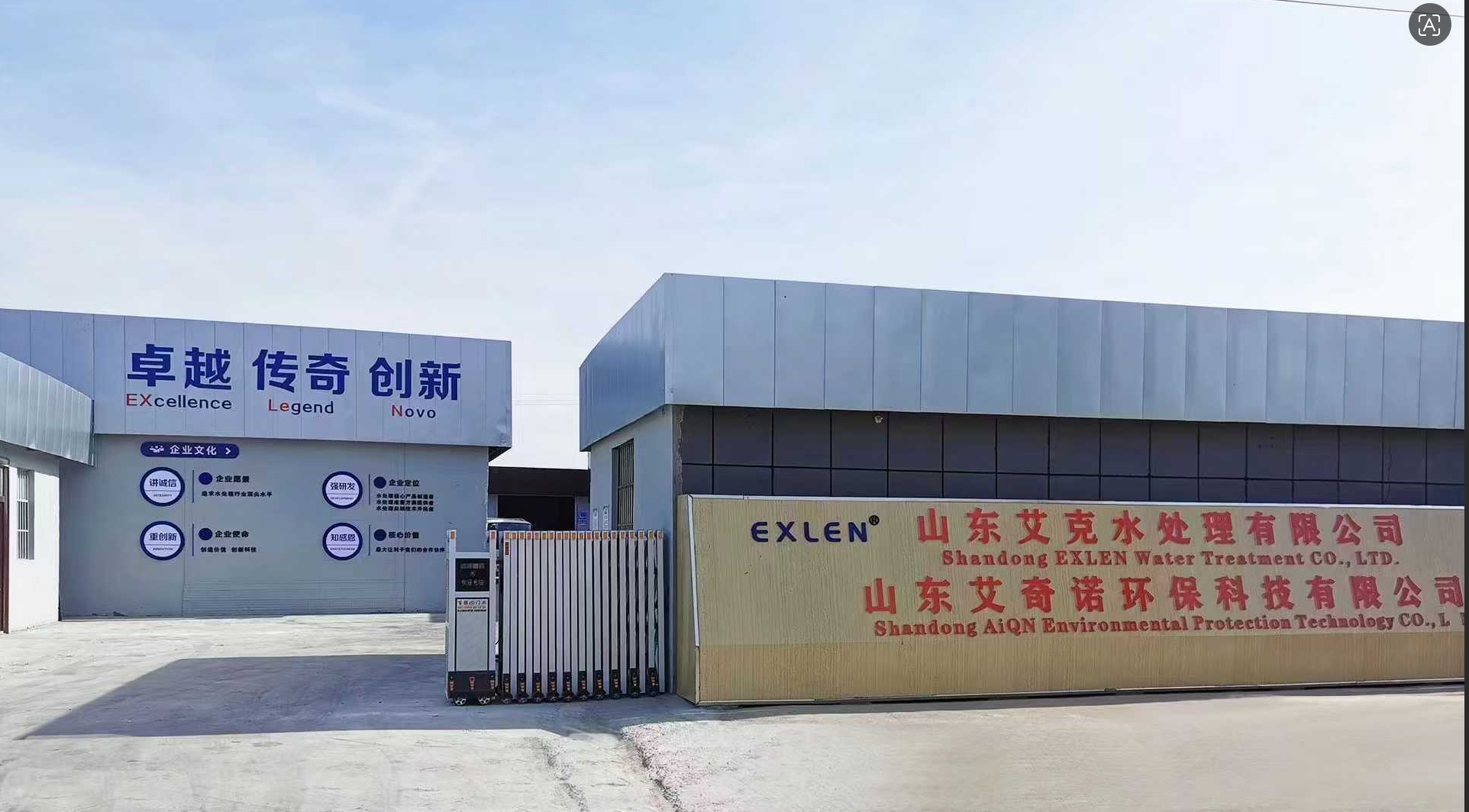

Professional RO Membrane Flocculant: The Key to Efficient Water Treatment
2026-06-28
In an era where water scarcity and quality are pressing global concerns, reverse osmosis (RO) systems have become indispensable. Yet, their efficiency often hinges on a critical component many overlook: the flocculant that preconditions the feed water. A professional-grade RO membrane flocculant does more than just clarify—it safeguards membranes, reduces fouling, and extends system life. Enter EVO's advanced formulation, engineered to tackle the toughest water treatment challenges. Discover how this key solution transforms RO performance and why it might be the missing piece in your operation.
How Flocculants Protect RO Membranes from Fouling
Flocculants play a subtle yet essential role in keeping reverse osmosis membranes clean and efficient. By promoting the aggregation of tiny suspended particles into larger, easily removable flocs, they drastically cut down the load of colloidal and organic foulants that would otherwise cling to the membrane surface. This pre-treatment step means that the RO system doesn't have to work as hard, which not only extends membrane life but also keeps energy consumption in check.
Without flocculants, dissolved organics and fine silt can slip through standard prefilters and form a stubborn, gel-like layer on the membrane. That layer blocks water passage, increases pressure differentials, and ultimately leads to more frequent chemical cleanings—each cycle adding stress and reducing membrane integrity over time. A well-chosen flocculant prevents this by capturing those troublesome particles before they ever reach the membrane, effectively acting as a shield that preserves the delicate polyamide surface.
In practice, the right dosage and type of flocculant are crucial. Overdosing can ironically cause fouling by introducing sticky polymer residues, while underdosing leaves the membrane unprotected. Operators often tailor flocculant selection to the specific raw water chemistry—adjusting for factors like pH, temperature, and the nature of suspended solids—to strike a balance that maximizes protection without creating secondary problems. Used wisely, these chemicals transform a reactive maintenance nightmare into a steadily running process with far less downtime.
Key Factors for Picking the Right RO Flocculant
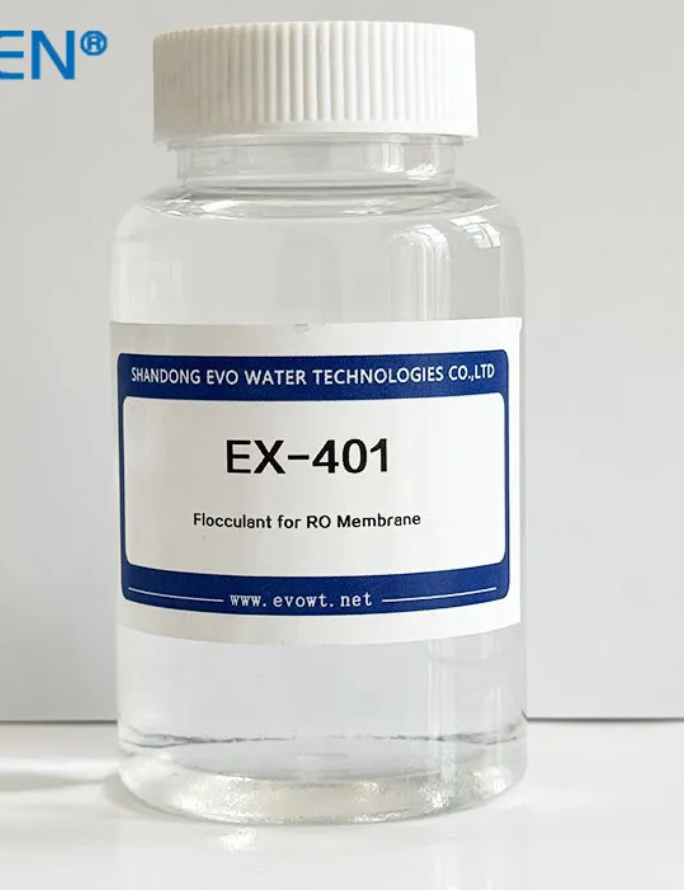
Selecting an appropriate flocculant for reverse osmosis pretreatment isn't just about grabbing the first option off the shelf. Water chemistry plays a huge role—parameters like pH, temperature, and the specific foulants present heavily influence which polymer will actually bridge particles effectively. For instance, high-organic streams often demand cationic flocculants with carefully tuned charge densities to neutralize negative colloids without overdosing, which could foul membranes downstream. A jar test remains the most reliable starting point, allowing you to visually compare flock size, settling speed, and water clarity under real-world conditions.
Beyond the chemistry, operational considerations can make or break your choice. Some flocculants degrade quickly once diluted, forcing you to adjust dosing strategy or blend stabilizers. Also, the sheer variability of industrial feedwater means you might need a product that handles sudden turbidity spikes without requiring constant operator intervention. It's worth noting that certain advanced flocculants are specifically formulated to generate minimal sludge volume, which can slash disposal costs dramatically—something that often gets overlooked in the initial selection process but adds up fast.
Compatibility with existing equipment is another piece that trips people up. Certain flocculants will gel or precipitate if injected improperly, clogging static mixers or injection quills. You also want to steer clear of chemistries that leach compounds harmful to polyamide membranes, like cationic polyelectrolytes that don't fully react and later foul the RO elements. The best performers in this space tend to come from manufacturers who provide thorough compatibility testing and tailored support, not just a generic data sheet, because swapping out a bad match after it's in the system is both messy and expensive.
The Role of Coagulation in High-Purity Water Systems
In high-purity water systems, coagulation serves as a fundamental pretreatment step aimed at removing suspended solids, colloids, and dissolved organic matter that would otherwise foul downstream components. Without proper coagulation, these finely dispersed particles easily pass through multimedia filters and enter reverse osmosis membranes, leading to increased pressure drops, frequent cleaning, and shortened membrane life. By promoting the aggregation of these impurities into larger flocs, coagulation enhances their removal during sedimentation and filtration, thereby protecting sensitive purification stages and maintaining consistent water quality.
The effectiveness of coagulation depends on carefully selected chemistries and dosing strategies. Inorganic coagulants like polyaluminum chloride or ferric chloride neutralize the negative surface charges of colloidal particles, allowing them to come together, while organic polymers can bridge between particles to form stronger, more settleable flocs. The process must be tailored to the specific feed water characteristics—factors such as pH, temperature, and the nature of the organic loading influence coagulant selection and dosage. Overdosing can introduce residual metals or polymer fragments that themselves become contaminants, potentially leaching into the high-purity loop, so precise control is essential to achieve the desired silt density index reduction without creating secondary problems.
Beyond particle removal, coagulation also plays a subtle but important role in reducing total organic carbon (TOC) levels, which is critical for industries like semiconductor manufacturing and pharmaceutical production where even trace organics can compromise product quality. The flocculation step captures naturally occurring humic and fulvic acids that would otherwise react with disinfectants to form disinfection byproducts or slip through ion exchange resins. When integrated optimally, coagulation not only extends the service intervals of downstream equipment but also contributes to the overall reliability of the high-purity water system, making it an indispensable yet often underappreciated part of the treatment train.
Spotlight on Membrane-Safe Flocculant Formulations
Developing flocculants that won't compromise membrane integrity is a quiet but critical engineering challenge. Conventional organic polymers can adsorb onto membrane surfaces, leading to irreversible fouling that shortens operational cycles and drives up cleaning costs. The industry has gradually shifted toward formulations that rely on lower molecular weight distributions, controlled charge densities, and carefully selected functional groups to maintain flocculation efficiency without triggering pore-blocking interactions.
Many newer blends incorporate hybrid inorganics—such as polyaluminum chloride variants modified with silica or iron—to achieve dense, shear-resistant flocs that settle rapidly with minimal residual polymer carryover. Field trials in surface water treatment plants have shown that these formulations can reduce clean-in-place frequency by up to 40% compared to traditional polyacrylamides, without sacrificing turbidity removal. Equally important is the shift toward inline monitoring of zeta potential and particle size distribution to fine-tune dosing in real time, ensuring that flocculant addition stays within the narrow window where coagulant residues don't compromise ultrafiltration or reverse osmosis units downstream.
What often gets overlooked is the interplay between flocculant chemistry and membrane material. Polyethersulfone and polyvinylidene fluoride membranes each respond differently to residual amines or hydrolyzed polymers, so tailoring the formulation to the specific membrane type can dramatically extend its service life. Some teams are exploring bio-based flocculants derived from tannins or chitosan derivatives, which not only degrade more readily but exhibit lower tendency to form strong electrostatic bridges with membrane surfaces. These alternatives remain more expensive per gram, but when you factor in reduced downtime and membrane replacement, the total cost picture tends to favor continued investment in membrane-safe chemistries.
What Happens When You Skip Flocculation in RO
Skipping flocculation ahead of an RO system lets suspended solids, colloids, and organic matter cruise right into the membrane channels. Without that clumping step, fine particles don’t settle or lift out—they cling to the membrane surface instead. Over days or weeks, this forms a dense, uneven cake layer that water can’t easily slip through. Operators first notice it as creeping feed pressure and a drop in permeate flow, but underneath, irreversible fouling is already eating into cartridge life and pushing up cleaning frequency.
Hard-to-spot fouling really takes off when dissolved organics and microbes pass through unflocculated. Biofilms start colonizing the lead elements, feeding on the organic stew that flocculation would have partly stripped out. You’ll see differential pressure climb unevenly—one stage loads up while the next starves—and standard CIP cycles struggle to strip the slime out completely. In many plants, this quiet fouling cuts membrane life by 30–50% before anyone traces it back to pretreatment shortcuts.
Chemical costs also spike downstream. To compensate for lost throughput, operators often overdose antiscalants or acids, chasing pH swings that wouldn’t be so wild if coagulants had been used properly upstream. The real sting comes during membrane replacement: autopsy reports routinely show iron, silica, and polymer gunk cemented into the tail elements, a problem that aggressive cleaning barely touches. In short, skipping flocculation trades a small upfront saving for a much larger bill hidden in energy, chemicals, and early membrane swaps.
Making the Most of Your Flocculant Dosing Strategy
Effective flocculant dosing isn’t just about hitting a target number—it’s about understanding how your system responds in real time. Jar testing gives you a starting point, but relying on it alone can lead to overdosing or underdosing as water quality shifts throughout the day. By closely monitoring turbidity, flow rates, and floc formation, you can fine-tune the dose to match current conditions, reducing chemical waste and improving solids removal.
Your dosing point and mixing energy also play a huge role in performance. Injecting flocculant too early or too late, or having a poorly designed rapid mix stage, often results in weak flocs that break apart before settling. Small adjustments—like relocating the injection point to a zone with adequate turbulence or staging the dosing across multiple points—can significantly improve floc strength and settling characteristics without increasing chemical usage.
Finally, don’t overlook the value of blended or sequential dosing strategies. Sometimes a single product can’t handle the full range of particle sizes or charges present. Combining a high-charge cationic polymer with a bridging agent, or alternating between metal salts and organic flocculants, often delivers clearer water at a lower total cost. Keeping detailed logs of dose rates, water conditions, and outcomes makes it easier to spot patterns and build a truly responsive strategy that evolves with your process.
FAQ
An RO membrane flocculant is a specialized chemical agent designed to aggregate suspended solids and colloidal particles in feed water, forming larger flocs that can be easily removed before water reaches the reverse osmosis membrane. It works by neutralizing surface charges and bridging particles together, which enhances pre-filtration efficiency and protects the delicate membrane from fouling.
Professional-grade flocculants are formulated with consistent quality and controlled molecular weight, ensuring predictable reaction kinetics and minimal residual carryover. This prevents membrane pore blockage and scale formation, directly translating to higher permeate flux, lower energy consumption, and extended membrane lifespan compared to generic alternatives.
Unlike standard coagulants or flocculants that may introduce impurities or react unpredictably with membrane materials, this product is engineered to be membrane-compatible. It avoids the use of tacky polymers that adhere to polyamide surfaces and is low in cationic charge density, reducing the risk of irreversible fouling while maintaining high particle removal efficiency.
It excels in applications with challenging feed water such as surface water treatment, industrial wastewater reclamation, and desalination pre-treatment. For example, in a textile dyeing effluent recovery system, it effectively removes color bodies and finely dispersed solids that would otherwise clog RO modules within hours, enabling stable long-run operation.
By drastically reducing membrane cleaning frequency and prolonging element replacement intervals, the flocculant lowers chemical, labor, and downtime expenses. One plant observed a 40% drop in CIP cycles and a three-month extension in membrane life after switching to this product, yielding significant annual savings.
Key factors include optimizing dosage via jar testing to match site-specific water chemistry, ensuring adequate mixing and settling time, and monitoring for any floc carryover with turbidity meters. It is also advisable to start with low feed rates and gradually adjust while observing differential pressure trends across the membrane system.
Conclusion
In the world of reverse osmosis, nothing sabotages performance faster than membrane fouling—and that’s where a professional RO membrane flocculant becomes a game-changer. These specialized chemicals act as a frontline defense, clumping together suspended solids, colloids, and organic particles so they can be easily filtered out before they ever reach the membrane surface. Unlike generic flocculants, membrane-safe formulations are engineered to avoid irreversible binding or chemical damage to polyamide layers, ensuring flux rates stay high and cleaning frequencies low. Choosing the right product isn’t just about charge density; it’s about matching the flocculant’s molecular weight, ionic character, and compatibility with your system’s pH and temperature to the specific foulants you’re battling.
Coagulation steps that feed directly into RO skids demand an extra level of precision, especially in high-purity applications like pharmaceutical or semiconductor water systems, where even trace residuals can spell disaster. Skipping flocculation entirely forces the membrane to handle a mess it was never designed for—rapid pressure drops, sustained organic fouling, and a sharp decline in salt rejection soon follow. To get the most from your dosing strategy, it pays to treat jar testing as a dynamic process, not a one-time checkbox. Regularly tweak dose rates based on raw water changes, monitor silt density index trends, and never underestimate the power of an optimized static mixer downstream of injection. A well-managed flocculant program doesn’t just protect membranes; it extends their lifespan and slashes operational costs in ways that constant cleaning simply can’t match.
Contact Us
Contact Person: Fiona Su
Email: [email protected]
Tel/WhatsApp: 8619963724144
Website: https://www.evo-chemical.com/