

RPET Bag Company Leads the Way in Sustainable Fashion
2026-08-06
Sustainability in fashion is no longer a niche trend—it's a necessary revolution, and one company is spearheading this change in an unexpected way. Meet CHALLENGE WOLVES, a trailblazer turning discarded plastic bottles into stylish, durable RPET bags that redefine eco-chic. But what sets them apart isn't just their innovative materials; it's their bold vision for a circular economy where fashion doesn't cost the earth. Curious how a humble bag can spark a movement?
Redefining Eco-Friendly Accessories with RPET Innovation
The shift toward sustainability is no longer a niche trend—it’s a collective responsibility. RPET innovation injects new life into eco-friendly accessories by transforming post-consumer plastic bottles into durable, soft fabrics that feel anything but recycled. Every tote, lanyard, or backpack made from this material carries a subtle texture and depth that mass-produced polyester simply can’t match, turning everyday items into quiet statements of intent.
Beyond the feel-good factor, RPET accessories shatter the myth that going green means sacrificing style or performance. The fabric holds color beautifully, resists wear, and doesn’t mind a bit of rain—making it perfect for everything from commuter bags to tech sleeves. Designers are pushing boundaries too, weaving in unexpected patterns and subtle branding that make each piece distinct. It’s a material that invites a second glance, not because it’s eco-friendly, but because it genuinely looks and feels premium.
What really sets RPET apart is its ability to connect everyday choices to a larger story. Using an accessory crafted from reclaimed plastic bottles isn’t just about reducing waste; it’s about rethinking how we value resources. Each item is a nod to circular thinking, a small but tangible refusal to settle for disposability. And in a market flooded with generic goods, that kind of quiet purpose leaves a lasting impression.
From Plastic Bottles to Chic Bags: The RPET Transformation
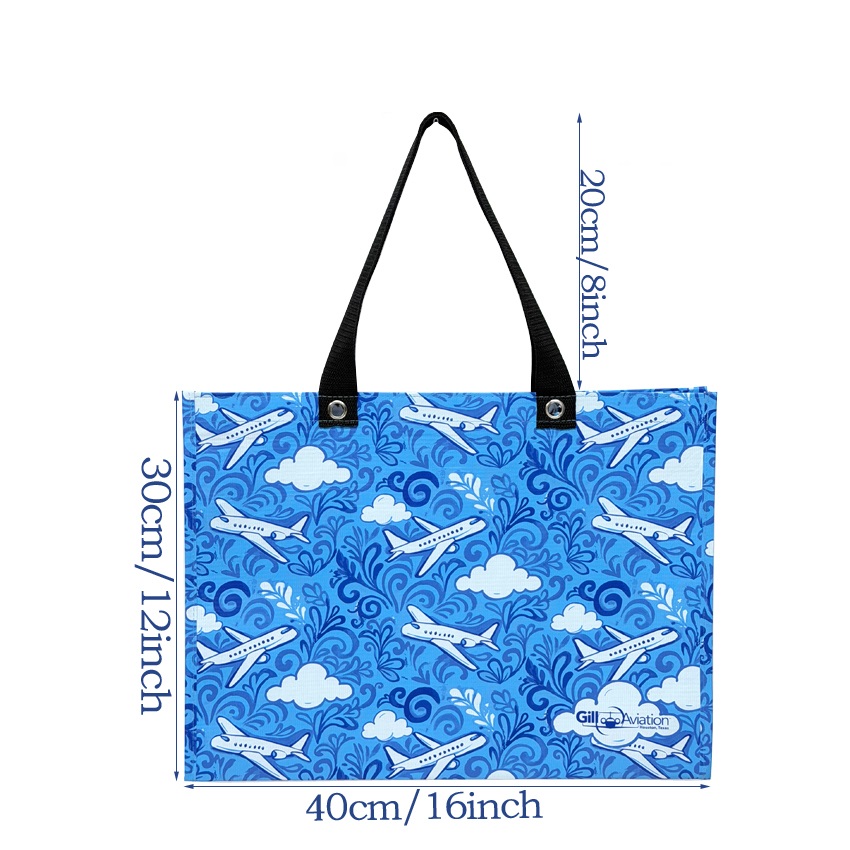
The journey begins with collection, where used plastic bottles are gathered from recycling centers and community drop-offs. These bottles, often made of PET (polyethylene terephthalate), are sorted by color and type to ensure purity. Clear bottles are typically preferred for creating high-quality RPET fabric, as they produce a cleaner, more uniform material. Once sorted, the bottles are thoroughly cleaned to remove labels, caps, and any residual liquids. This initial step is crucial—it sets the stage for turning what many consider waste into the foundation of a stylish, durable accessory.
After cleaning, the bottles enter a transformation process that seems almost alchemical. They are shredded into tiny flakes, melted, and then extruded into fine filaments. These filaments are spun into yarn, which can be woven or knitted into fabric. The resulting RPET material mimics traditional polyester but carries a much lower environmental footprint. The texture is soft yet strong, and it accepts dyes beautifully, allowing for a vibrant palette of colors. Designers have embraced RPET for its versatility, crafting bags that range from sleek totes to intricate backpacks, all while reducing reliance on virgin petroleum-based resources.
The final step marries sustainability with style. Skilled artisans and modern manufacturing techniques shape the RPET fabric into chic bags that don’t compromise on aesthetics or function. Details like reinforced stitching, eco-friendly zippers, and thoughtful compartments reflect a commitment to both durability and design. Each bag tells a silent story of renewal—a reminder that everyday objects can be reimagined. By choosing an RPET bag, you carry not just a fashion statement, but a piece of a circular economy, proving that elegance and environmental responsibility can go hand in hand.
Why RPET Bags Are the Future of Conscious Consumerism
In a world increasingly attuned to the environmental cost of fast fashion and single-use plastics, RPET bags emerge as a quietly revolutionary choice. These bags, crafted from recycled polyethylene terephthalate—the same plastic found in water bottles—manage to transform waste into something both functional and stylish. Instead of contributing to the 8 million tons of plastic entering our oceans each year, each RPET bag gives discarded materials a second life. It's not just about reducing waste; it's about reshaping our relationship with everyday objects, turning a simple carryall into a statement of intent.
What makes RPET bags especially compelling is how seamlessly they fit into modern lifestyles without demanding radical change. Consumers no longer have to choose between durability and ethics: RPET fabric rivals virgin polyester in strength and longevity, yet its production uses 59% less energy. This means a backpack or tote can withstand daily commutes, grocery runs, and years of use while quietly lowering its carbon footprint. The designs have evolved too—gone are the days of scratchy, nondescript eco-bags. Today’s RPET options come in a spectrum of textures and colors that appeal to discerning tastes, proving that sustainable choices can be both pragmatic and beautiful.
Perhaps the most significant shift is the way RPET bags embody a larger cultural movement toward mindful consumption. Carrying one signals an awareness of supply chains, material origins, and the afterlife of products—a rejection of the disposable mindset that has dominated for decades. It’s a small, daily act of rebellion against planned obsolescence, and it resonates because it feels attainable. No one is being asked to overhaul their entire existence overnight; they’re simply swapping one bag for another and, in doing so, participating in a collective push toward a circular economy. That quiet empowerment is what will ultimately carry conscious consumerism forward.
How This Company Is Making Sustainability Stylish
For years, sustainable products carried a certain stigma—they were seen as drab, expensive, or simply uncool. This company flipped that narrative on its head by weaving eco-consciousness into designs that people actually want to wear and show off. Instead of shouting about its green credentials, it lets the style speak first, making sustainability a seamless part of everyday life rather than a compromise.
The secret lies in reimagining materials. Recycled plastics become luxuriously soft fabrics; discarded fishing nets are transformed into sleek sneakers that rival high-end footwear. Beyond materials, the brand collaborates with boundary-pushing artists and designers to create limited-edition collections that generate buzz purely on their aesthetic merit. Each piece tells a story of transformation, proving that responsible production can go hand-in-hand with cutting-edge fashion.
The Rise of RPET: A Material That's Changing Fashion
Remember when sustainability in fashion felt more like a niche trend than a real movement? Those days are fading fast. RPET, or recycled polyethylene terephthalate, has quietly stepped out of the eco-friendly shadows and onto the main stage. It’s no longer just about turning plastic bottles into basic tees — this material is now redefining everything from high-end outerwear to sleek accessories, and the industry is taking serious notice.
What makes RPET so compelling isn’t just its feel-good backstory. It performs. Designers are discovering that fabrics woven from recycled polyester can rival virgin materials in durability, texture, and versatility. Suddenly, sportswear giants and luxury labels are racing to incorporate it, not as a green checkbox, but because it actually elevates their collections. The result? A material that once belonged in landfill is now strutting down runways and topping bestseller lists.
But the shift goes deeper than the clothes themselves. RPET represents a mindset that consumers are finally demanding — one where fashion doesn’t have to cost the Earth. Every jacket made from recycled bottles is a small push against the throwaway culture that dominated for decades. And as technology improves, the quality gap narrows, making it harder to tell the difference between new and recycled. That’s when real change happens: when choosing sustainable becomes not a sacrifice, but an obvious upgrade.
Leading the Charge: RPET Bags and the Circular Economy
The shift towards a truly circular economy is gathering momentum, and RPET bags are at the forefront of this transformation. Made from recycled polyethylene terephthalate—commonly sourced from post-consumer plastic bottles—these bags demonstrate how waste can be reimagined as a valuable resource. Instead of ending up in landfills or oceans, discarded plastics are collected, cleaned, and converted into durable fibers that become the fabric of everyday accessories. This process not only reduces the demand for virgin petroleum-based materials but also cuts down on the energy and water typically needed to produce new polyester.
What makes RPET bags especially compelling is their embodiment of circular design principles. They’re created with the end in mind: after a long life of use, the material can be recycled again, keeping resources in play rather than allowing them to degrade into waste. Many manufacturers are now pairing RPET with other sustainable practices, such as using non-toxic dyes and minimizing manufacturing scraps, further closing the loop. This approach challenges the traditional take-make-dispose model and pushes the entire industry toward more responsible production and consumption patterns.
Consumers play a crucial role in this ecosystem by choosing products that align with circular values. Every RPET bag purchased helps create demand for recycled materials, incentivizing better collection and recycling systems. Over time, as more companies adopt these practices, the infrastructure needed to support a circular economy grows stronger. It’s a quiet but powerful shift—one that turns a simple accessory into a statement of intent, proving that thoughtful design can drive environmental progress without compromising on style or function.
FAQ
Unlike many brands that treat sustainability as an afterthought, RPET Bag Company has built its entire identity around circular design. Every bag is crafted from post-consumer recycled plastic bottles, but what truly sets them apart is their closed-loop program—once a bag reaches end of life, customers can return it for recycling into new products. They publish an annual impact report with verified data, so you know exactly how many bottles were diverted from oceans or landfills. Their design team also collaborates with material scientists to keep improving fabric quality without virgin synthetics.
The process starts with collecting and thoroughly cleaning used bottles, which are then shredded into tiny flakes. Those flakes are melted and extruded into a fine, durable yarn that mimics the texture of conventional polyester but has a much lighter environmental footprint. At their partner factories, this yarn is woven into tough, water-resistant fabric and cut to create everything from minimalist backpacks to chic crossbody bags. The transformation is so complete you'd never guess the material once held soda or water; it feels soft, holds color well, and ages beautifully.
Beyond the obvious environmental upside, these bags deliver on quality and practicality. They're lightweight yet incredibly strong, often outperforming standard nylon or polyester in abrasion tests. The water-repellent coating is PFC-free, so it's safer for you and the planet. Style-wise, the collections avoid the 'crunchy' eco-look—you get modern shapes, rich colors, and thoughtful details like padded laptop sleeves and hidden pockets. Plus, every purchase directly funds plastic collection initiatives in coastal communities, turning a simple accessory choice into a tangible act of conservation.
The bulk of the material comes from a combination of municipal recycling programs in Southeast Asia and dedicated bottle collection efforts in areas with high plastic leakage into oceans. RPET Bag Company works with certified recycling facilities that guarantee ethical labor practices and full traceability. They also partner with beach cleanup organizations in Indonesia and the Philippines to intercept bottles before they reach the water, ensuring a steady supply of feedstock while supporting local waste management infrastructure.
Absolutely, and that's one of the brand's core commitments. The fabric is designed for multiple life cycles. Customers can send old bags back to the company free of charge, and the material is reprocessed into new filament for future products. Even the zippers and buckles are often made from recycled materials and are easily removable for separate processing. This take-back program means very little ends up in a landfill, keeping resources in use for as long as possible.
They go beyond standard certifications by conducting quarterly, unannounced audits at every facility involved in production, from the recycling sorters up to final sewing. All workers must receive living wages, safe working conditions, and access to health benefits. The company publishes a supplier list publicly and participates in the Fair Wear Foundation. Recently, they introduced a digital product passport that lets customers trace the journey of their specific bag from bottle collection to finished good, adding a layer of transparency that builds real trust.
The range is surprisingly broad: sleek backpacks for commuters, convertible totes for travel, compact sling bags for festivals, and even dressy clutches made from a textured RPET blend that looks like leather. They release limited-edition drops with artists and up-and-coming designers, using surplus materials from previous collections to minimize waste. The color palette tends toward versatile earth tones and muted brights, but seasonal accents like neon stitching or custom hardware keep things fresh without feeling fast-fashion.
The brand has built a community around action. Through their website, anyone can pledge to reduce single-use plastics and receive tips for a lower-waste lifestyle. They host monthly coastal cleanups in major cities where volunteers get discounts on products. There's also a 'refer a friend' program that funds school recycling bins for every successful referral. For those who want to invest more deeply, they offer a crowdfunding option to support new recycling micro-factories in underserved regions, giving supporters a stake in expanding the circular economy.
Conclusion
The RPET Bag Company has emerged as a trailblazer in sustainable fashion by transforming discarded plastic bottles into stylish, high-quality accessories. This innovative approach redefines eco-friendly design, showing that environmental responsibility need not sacrifice aesthetics. Through a meticulous process, the company cleans, shreds, and recycles PET plastic into durable fabric, giving new life to waste that would otherwise pollute ecosystems. The result is a range of chic bags that appeal to the modern consumer—proof that conscious consumerism can be both fashionable and functional. By choosing RPET, buyers actively participate in reducing plastic pollution and supporting a circular economy where materials are reused rather than discarded.
Beyond product innovation, the company is reshaping industry norms by making sustainability aspirational. Its collections bridge the gap between ethical values and contemporary style, attracting a growing community of environmentally aware shoppers. The rise of RPET as a versatile material signals a broader shift in fashion, where recycled resources are no longer seen as niche but as the future standard. By leading this charge, the RPET Bag Company not only offers a practical solution to waste but also inspires a cultural move toward mindful consumption. Each bag tells a story of transformation—from a humble plastic bottle to a statement piece that carries both personal flair and global impact. In championing this vision, the company proves that fashion can be a powerful vehicle for positive change, one accessory at a time.
Contact Us
Contact Person: Tony
Email: [email protected]
Tel/WhatsApp: +8615859766913
Website: https://www.cw-pak.com