

RPET Bag Factory: From Recycled Plastic to Sustainable Fashion
2026-08-08
Every sustainable accessory tells a story, but few are as transformative as the RPET bag. At CHALLENGE WOLVES, we don't just manufacture bags—we give discarded plastic a second life as durable, stylish companions for conscious consumers. From water bottles to woven fabric, the journey is as fascinating as the result. In this post, we’re peeling back the curtain on how our factory turns recycled materials into fashion statements that don’t compromise the planet. Whether you’re a brand looking for eco-customization or simply curious about the process, you’ll discover why RPET isn’t just a trend—it’s a revolution.
Turning Trash into Trendy Totes
The idea of transforming discarded materials into stylish tote bags is not just a fleeting trend—it's a creative rebellion against throwaway culture. Everyday waste, from old billboard vinyl to retired fire hoses, gets a second life as durable, eye-catching accessories that turn heads and spark conversations. Who knew that a burst truck inner tube could look so chic slung over your shoulder?
Craftsmanship lies at the heart of this movement. Small workshops and independent makers carefully select and clean materials that would otherwise clog landfills, cutting and stitching them into one-of-a-kind designs. Each bag tells a story—maybe it's woven from plastic bags that dodged the ocean, or patched together from fabric scraps rescued from a factory floor. That slight imperfection isn't a flaw; it's proof of a previous adventure.
Beyond looking good, these totes carry a subtle message of mindfulness. When you carry one, you're not just toting groceries or a laptop—you're challenging the notion that useful things must come from virgin resources. It's a small daily reminder that style and sustainability can walk hand in hand, quite literally, down the street.
The Journey of Recycled PET Fabric
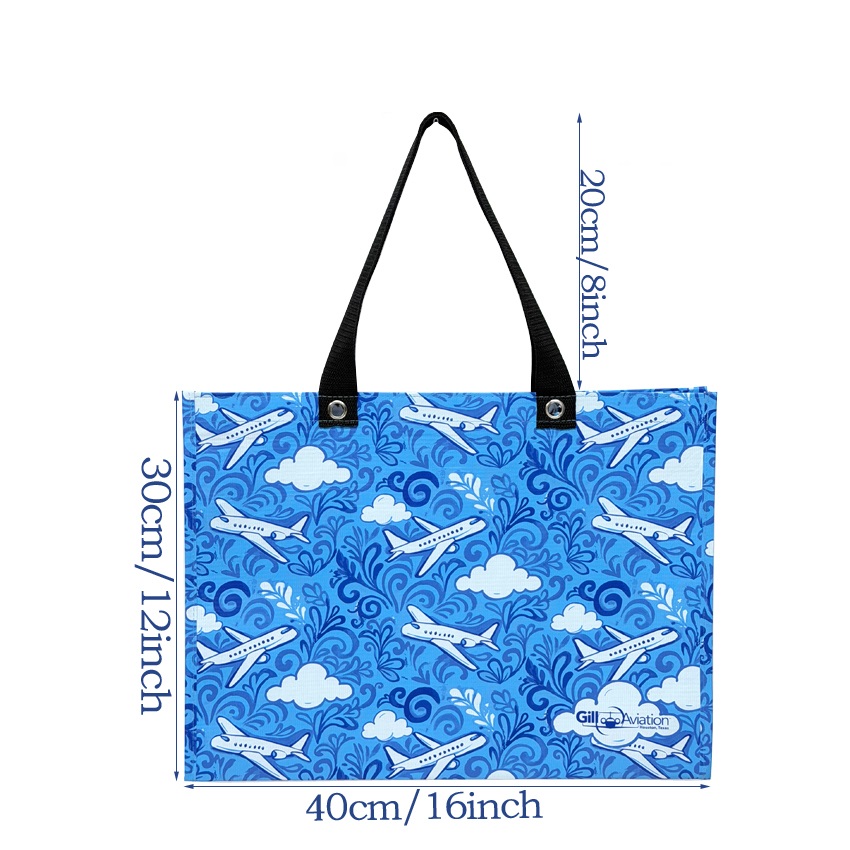
It starts quietly in a recycling bin. A plastic water bottle, squeezed and discarded, waits alongside countless others. These bottles, often made from polyethylene terephthalate, are gathered from streets, landfills, and oceans, then sent to sorting facilities where infrared scanners and human hands pick out the PET from other plastics. Labels are stripped, caps removed, and the clear bottles are compressed into dense bales. This selection step is critical—only clean, high-grade PET can move forward. The bales travel by truck or ship, crossing continents to reach processing plants. There, the real transformation begins, turning what was once trash into the raw potential for something entirely new.
Inside the plant, the bales are broken open and the bottles are shredded into millions of tiny flakes. These flakes go through a series of baths and friction washes to remove every trace of glue, residue, or leftover liquid. After drying, they’re melted at high temperatures and pushed through fine spinnerets to emerge as hair-thin filaments. The filaments cool and solidify almost instantly, then are stretched and texturized to add strength and softness. This step mimics the way natural fibers are structured, but with precise control over thickness and durability. The result is a fluffy, continuous thread that looks nothing like the shiny bottles it came from.
The newly formed yarn is wound onto spools and shipped to textile mills. Here, it can be woven into sturdy canvas, knitted into breathable athletic wear, or blended with other fibers for performance fabrics. Designers often favor recycled PET because it takes dye well, holding rich colors without fading quickly. The final fabric might end up as a lightweight jacket, a pair of durable sneakers, or even the upholstery in a car seat. Each stitch carries a hidden story of recovery and reinvention, a quiet loop that keeps materials in use and out of the ground.
Eco-Friendly Production Behind the Scenes
Stepping into our production space, the first thing you notice isn't the hum of machinery—it's the scent of raw, untreated materials. We've stripped away every unnecessary chemical from the process, opting instead for plant-based dyes and water-saving digital printing. Even the dust from fabric cutting isn't wasted; it gets compressed into bricks for local construction projects. That shift didn't happen overnight, but each small swap brings us closer to a closed-loop system where nothing leaves as trash.
Energy is another invisible footprint we're shrinking. Solar panels across the roof cover roughly 40% of our needs, and the remainder comes from a community wind cooperative—no offsets, just direct investment. Our team also rebuilt the lighting rig with motion-sensitive LEDs, so energy only flows where hands are actually moving. It's the kind of practical tweak that rarely makes headlines, but over a year it saves enough power to run an entire floor's stitching units.
Then there's the material itself. Instead of conventional cotton, we work with rain-fed hemp and recycled ocean plastics broken down to soft fibers. Every bolt comes from suppliers who document their water and waste metrics—if they can't show us, we don't buy. It's not about chasing certifications; it's about knowing the backstory of every thread, right down to the buttons carved from fallen coconut shells. That attention to detail means our gear ages well, with repairs built into the design so a torn seam doesn't mean the end of the line.
Designs That Redefine Sustainable Style
The conversation around sustainable fashion often gets stuck on materials, but a new wave of designers is proving that eco-friendly doesn’t have to mean compromising on aesthetics. From jackets woven with recycled ocean plastics that feel as soft as virgin fibers to shoes crafted from grape skins left over from winemaking, these creations challenge the outdated notion that green design is dull or crunchy. They’re instead rewriting the rules by treating waste as a treasure trove, transforming discarded materials into pieces that feel luxe, modern, and utterly intentional.
Beyond the raw materials, there’s a shift toward designing for longevity in ways that go beyond timeless silhouettes. Think modular garments that can be deconstructed and reshaped with a few snaps, or pieces engineered to age gracefully, developing a patina that tells a story rather than looking worn out. This approach fights the throwaway culture not by lecturing, but by making the garments themselves more adaptable and emotionally durable, so you actually want to keep them in your rotation for years.
Technology is also quietly rewiring what sustainable style can mean. Digital fashion, for instance, lets people experiment with bold virtual looks without physical production, drastically cutting down on sample waste and returns. Meanwhile, blockchain-backed supply chain tools let shoppers trace a garment’s journey from field to final stitch, adding a layer of trust that wasn’t possible before. These aren’t gimmicks—they’re practical ways that design and tech are merging to make conscious consumption feel seamless and exciting.
Durability Meets Environmental Responsibility
When product lifecycles are engineered to outlast trends, waste naturally recedes. We build with materials selected not just for their strength, but for their ability to age gracefully—reinforced seams, UV-resistant coatings, and components that can be tightened or replaced rather than discarded. This commitment to longevity means fewer replacements, less packaging, and a deeper relationship between owner and object, where every scratch tells a story rather than signaling the end.
Responsibility, however, doesn’t end at durability. It begins long before the first use, in supply chains that favor recycled inputs and low-impact manufacturing. Our approach ties material toughness to closed-loop thinking: factory offcuts are repurposed, water is reused, and finishes are free from harsh chemistries. The result is gear that both resists the elements and reduces your footprint, without forcing you to choose between performance and principle.
In practice, this balance shows up in quiet details—a jacket lining woven from reclaimed fibers, a backpack strap reinforced with plant-based leather alternatives. These choices are deliberate, not decorative. They create products that don’t just endure seasons but respect the planet they were made from, proving that long-lasting design and eco-conscious innovation aren’t competing goals but inseparable partners.
Why RPET Bags Are the Future of Fashion
A quiet revolution is reshaping what we carry on our shoulders. The days when eco-conscious choices meant compromising on style are fading fast. RPET bags, crafted from recycled plastic bottles, have stepped into the spotlight not just as a nod to sustainability but as a genuine fashion statement. Their appeal lies in the seamlessness with which they fuse responsibility and design—proving that materials rescued from waste streams can be transformed into textures and finishes that rival conventional luxury fabrics. From sleek urban backpacks to refined totes, these accessories are rewriting the rulebook by making sustainability something you want to show off, not hide.
Beyond aesthetic appeal, RPET bags signal a deeper shift in how we assign value. Shoppers are no longer just asking 'Does this look good?' but 'What’s the story behind it?' Every RPET piece carries a narrative of renewal—discarded bottles reincarnated as everyday luxury. This backstory resonates with a generation that prizes authenticity over excess. Designers are tapping into this mindset, creating collections that feel personal, intentional, and fleeting in the best possible way: each limited run or collaborative drop reinforces that these bags aren’t mass-produced afterthoughts but thoughtful responses to a planet in need of lighter footprints.
The materials science behind RPET only adds to its momentum. Innovations have yielded fabrics that are durable, water-resistant, and incredibly lightweight—qualities that practical fashion lovers crave. As the technology improves, the variety of textures and colors expands, giving creators a playground that was once monopolized by virgin synthetics. Paired with a cultural appetite for transparency, RPET bags offer a tangible way for individuals to vote with their wallets, turning a simple accessory into a symbol of where fashion is headed: toward a future where looking good and doing good are indistinguishable.
FAQ
RPET stands for recycled polyethylene terephthalate, which is basically polyester made from used plastic bottles and containers instead of virgin petroleum. The bottles are collected, cleaned, shredded into flakes, melted, and spun into fibers that become the fabric for our bags.
It starts with post-consumer bottles being sorted and sterilized. They're then crushed into tiny flakes, which get melted and extruded into fine threads. Those threads are woven or knitted into sturdy fabric, which our designers cut and sew into the final bag—often blending functionality with contemporary aesthetics.
Beyond the obvious environmental upside, RPET bags have a lower carbon footprint, require less water and energy to produce, and help divert plastic from oceans and landfills. Plus, they've evolved so much in texture and durability that they rival virgin polyester in quality and feel.
We rigorously test the raw RPET fibers for strength, colorfastness, and absence of harmful substances. Our factory holds GRS (Global Recycled Standard) certification, and every batch undergoes third-party lab testing to meet international safety and quality benchmarks.
Actually, RPET is incredibly versatile. We produce everything from minimalist backpacks and totes to complex, multi-compartment laptop bags. Advances in weaving and coating techniques allow us to replicate leather-like finishes, water resistance, and vibrant prints, so the design possibilities keep expanding.
We integrate circularity at every stage—sourcing bottles locally to reduce transport emissions, using solar power in our facility, and designing products that are themselves recyclable at end of life. We also partner with artists to create limited-edition collections that tell a story, making sustainability personal and not just a buzzword.
We use low-impact, azo-free dyes and a closed-loop water system that recycles over 90% of the water used in dyeing. For many lines, we even skip the dyeing altogether by sorting bottles by color before processing, giving the bags unique, subtle hues without chemicals.
Yes, that's the beauty of it. Since the material is essentially polyester, it can re-enter a fiber-to-fiber recycling stream. We encourage customers to return worn-out bags to us, which we then shred and reprocess into new products, closing the loop completely.
Conclusion
At the heart of the sustainable fashion movement, the RPET bag factory transforms discarded plastic bottles into stylish, durable totes. The process begins with collecting post-consumer waste, which is then meticulously cleaned and shredded into flakes. These flakes are melted and spun into fine recycled PET fibers, a material that mirrors the quality of virgin polyester but drastically reduces environmental impact. The journey from trash to fabric is a testament to innovation, turning what was once pollution into a resource. Designers work closely with production teams to create trendy bags that don't compromise on aesthetics, proving that eco-friendly choices can be effortlessly chic. Every tote reflects a commitment to redefining style through responsibility, offering patterns and cuts that suit modern tastes while staying true to the planet.
Behind the scenes, eco-conscious manufacturing takes center stage. The factory minimizes water and energy use, relying on closed-loop systems that prevent waste and chemical runoff. Each bag is built to last, with reinforced stitching and high-quality finishes, so consumers get a product that withstands daily use without contributing to throwaway culture. This balance of durability and environmental stewardship is what sets RPET accessories apart. As consumers become more aware of their purchasing power, these bags emerge as a clear favorite—not just a fleeting trend, but a logical step toward a circular economy. They represent a future where fashion and sustainability are inseparable, and where every accessory carries a story of renewal.
Contact Us
Contact Person: Tony
Email: [email protected]
Tel/WhatsApp: +8615859766913
Website: https://www.cw-pak.com